I have a (former) high school friend to thank for discovering David Bowie, and also for deciding that he wasn’t my kind of artist. I had recently watched (and become obsessed with) Guillermo del Toro’s Pan’s Labyrinth, and every time I brought it up in our art class, she would mention David Bowie in a movie called Labyrinth. To be honest, it irritated me, but I credit that to a fault of my own. Well, one day I was in Giant Eagle with my mother and saw a DVD copy of this girl's favorite Labyrinth title. Out of curiosity, I begged my mother to get it and I watched it that night. Although I appreciated the first act, the film had serious pacing issues (starting around the time Don Coyote appears), and whoever was responsible for this Bowie guy’s attire needed to be fired. I didn’t necessarily dislike his performance, but I was embarrassed by his teased hair (that I always think of as a precursor to the infamous Blood on the Dance Floor-era scene style) and awkward...whatever he was adorned with. It was an O.K.-ish flick, but a 7/10 at best, aside from the craftsmanship put into the creatures and sets.

I didn’t give Bowie a second thought until I began seeing his name dropped by one of my favorite artists of the time, Marilyn Manson. I began YouTubing Bowie’s music, finding more recent songs like “Thursday’s Child” and “New Killer Star,” but not connecting with any of it. Of course, I was familiar with “Ziggy Stardust,” “Rebel Rebel,” “Changes,” and songs of that caliber. Who isn’t? The two songs I remember enjoying were “Life on Mars?” and “Oh! You Pretty Things” off Hunky Dory. That lead me to listening to the album in full, and then came Ziggy Stardust and the Spiders from Mars, Scary Monsters and Super Creeps, Low, Station to Station, Young Americans, and I hadn’t even yet heard half his output. The Criterion-approved The Man Who Fell to Earth went down much smoother for me than Labyrinth, and was also my first foray into their prestigious Collection. As a senior in high school, he lead me to extending my interests in literature to Friedrich Nietzsche, Alesiter Crowley, and George Orwell. I would describe my fourth self-published book, L’Pilgrimage as “Ziggy Stardust runs for president.” I don’t think music gets enough intellectual credit for this kind of influence. It’s safe to say that 75% of the books I’ve read were introduced to me through some esoteric concept album. Once I settled on a college, my favorite high school teacher recommended (or maybe softly demanded is more apt) that I take a certain english/drama professor at the university (which he once attended). This professor went on to become one of my favorite college professors. Looking back on it, musically Marilyn Manson was that high school teacher urging me to find his more collegiate influence.
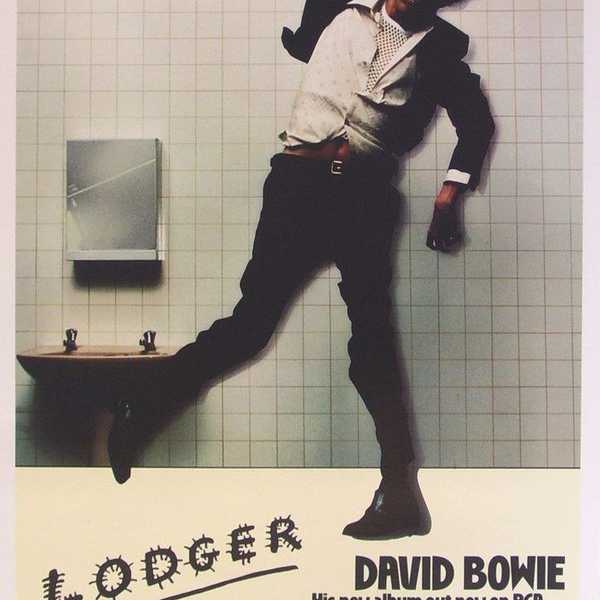
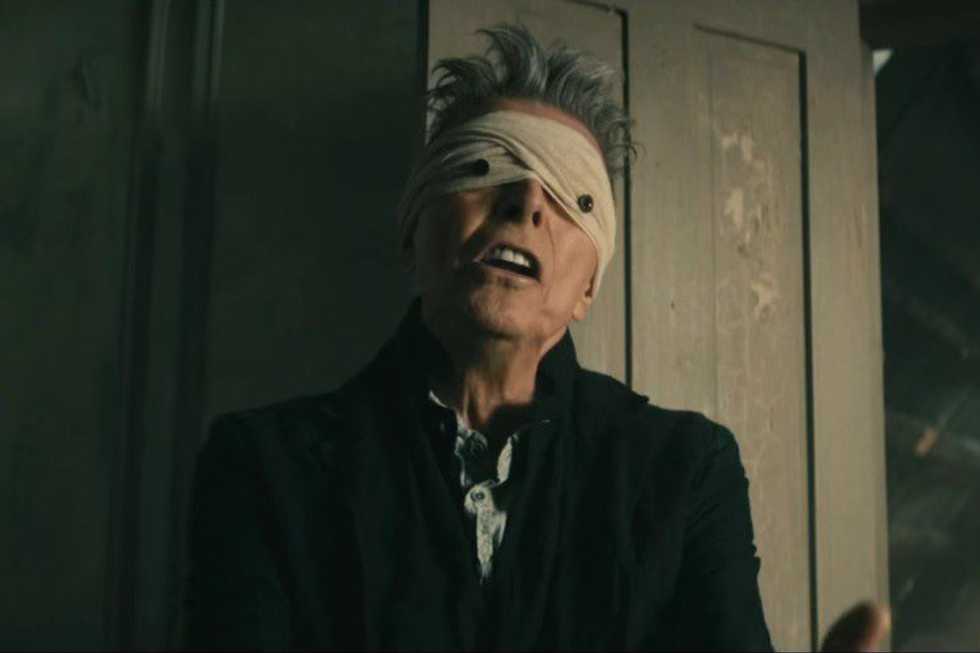
I didn’t talk to anybody my first semester of college. There were two people I would see on a semi-regular basis, but I went days without speaking a word to anybody who wasn’t through the phone or a computer. I would listen to Bowie’s Berlin Trilogy every day, sometimes switching it up for Let’s Dance, Diamond Dogs, or Young Americans. That winter, David Bowie announced a new album, titled The Next Day. I remember feeling the same excitement when its follow-up, Blackstar was announced. This post was originally intended to be a review of that album, which I’m currently listening to. I was one of the few (relatively speaking, considering all those who will listen to the album in the future) who was lucky enough to hear the album before the news broke of Bowie’s passing and its context was changed forevermore. Even then, there was little doubt that it was Bowie’s most inspired since the year 1980 (and I’m one of those shameless enough to say that of all twenty-six of his albums, there isn’t a single one I dislike).
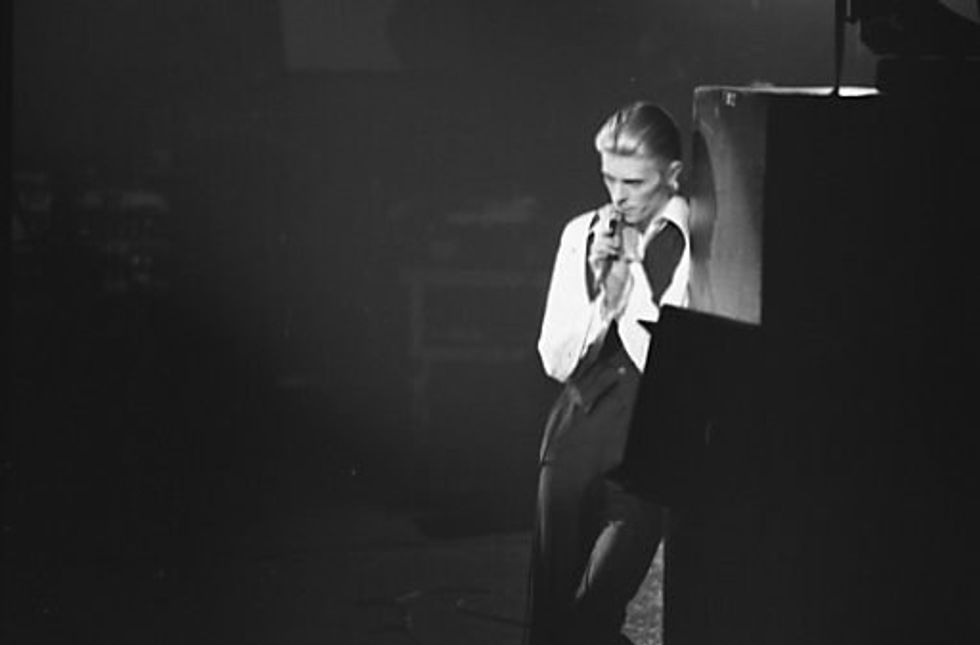
It was quite obvious then that the album was a rumination on death, but what else was new? People always talk about how Bowie was this figure of acceptance, and how he proved it was cool to be weird. That’s not untrue, but I’ve always seen him as a melancholic man, always on the run. I recall of his brother, who let himself be hit by a train. I never interpreted Bowie’s chameleon-esque nature as mere eccentricities, but as an escape, or even just a shell to house himself, David Jones, in. The Thin White Duke, a Nazi sympathizer in Germany surviving off of milk, peppers, and cocaine isn’t the carefree boogie-down kind of guy one might associate with Ziggy Stardust (whose album ends with a song titled “Rock ‘N’ Roll Suicide”). A strong contender for my favorite David Bowie song, “Quicksand” has the lyrics “Don't believe in yourself, don't deceive with belief/Knowledge comes with death's release.” Even then, a music video depicting Major Tom as a bedazzled astral skeleton worshipped as a god and Lazarus’ lyric “You know I’ll be free/Just like that bluebird/Now, ain't that just like me?” felt different. I can’t say that I suspected anything more than anyone else did.
This is an aside, but on a much lighter note, David Bowie's first appearance on TV as the founder of the Society for the Prevention of Cruelty to Long-Haired Men:
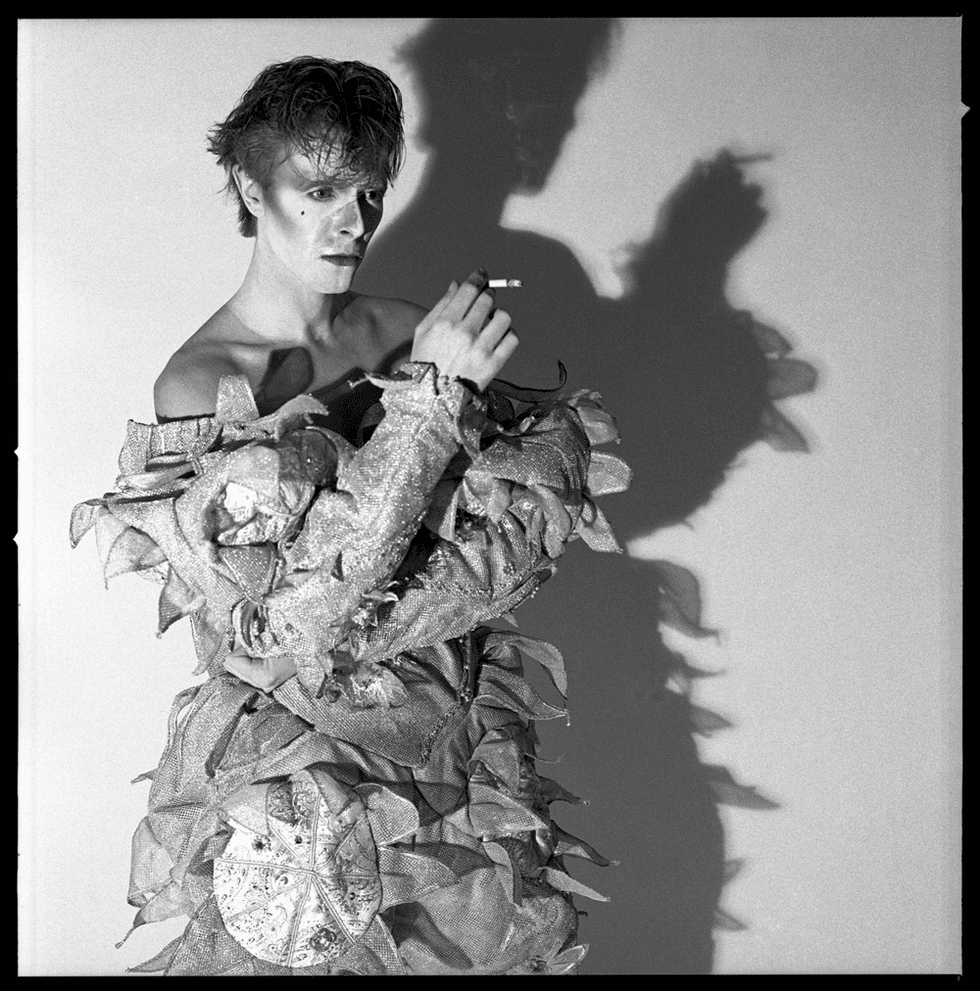
When the official David Bowie Facebook announced his passing, I immediately went to the comments section and was relieved to find that it was a hoax. Just to be certain, I IM’d one of my best friends (author Josh Sczykutowicz) who knows a lot more about Bowie than I probably ever will. He pretty much said there was no way, thank God. Then, Bowie’s son, Duncan Jones confirmed the announcement on his Twitter. Even then, it didn’t feel real. Lazarus rose from the grave four days after perishing; in four days, we’d likely see a tour announcement. It took about an hour before it became glaringly obvious that this was no hoax or publicity stunt. Four or five other friends messaged me about what had happened, and we stayed up all night talking about and listening to Bowie’s music.
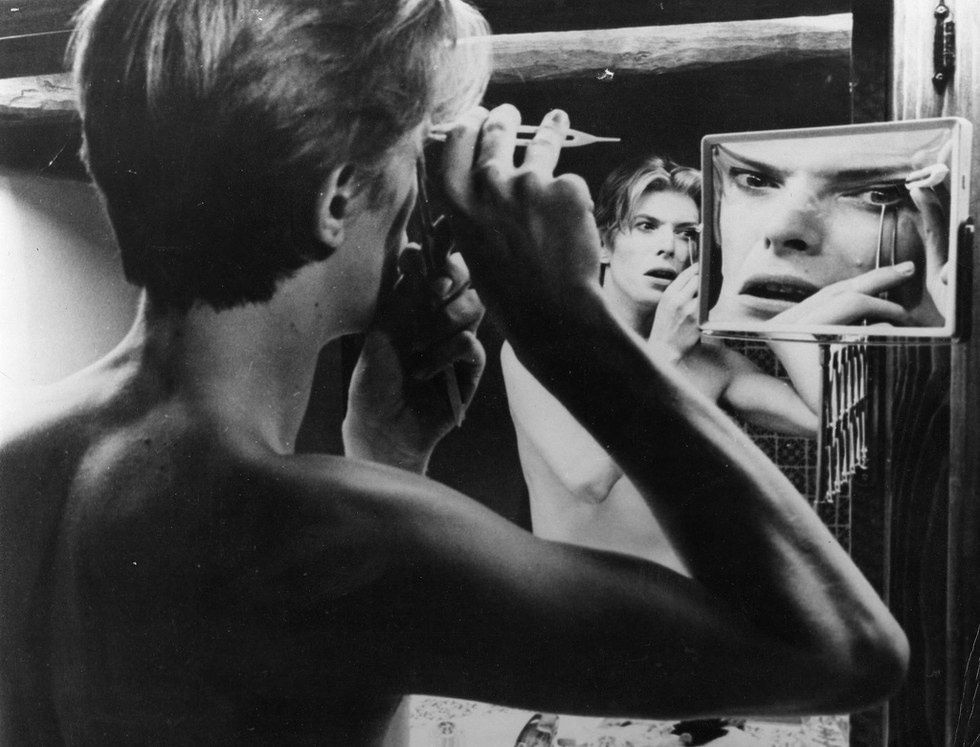
A lot of people have written about Bowie’s death, and what his life meant to them on social media. I couldn’t, because I didn’t have anything to say about it. He might have created my favorite discography of all time, or influenced just about everyone who has influenced me, but I don’t have anything profound or unique to contribute to the masses. I didn’t even want to write this, but it felt necessary to do so. All I know to do is recount my own experience with his work and how it has helped guide me in my own life. I’ll always remember showing my brother “Young Americans” performed live, about as afraid that he wouldn’t like it as I’ve been of failing any college test. Nothing will ever change that "Rebel Rebel" and "Jean Genie" were some of the first songs I played straight through on guitar. Every time I think about the comic shop that we used to walk to, I’ll remember that “Space Oddity” would inexplicably be playing. Then I’ll remember all of the weeks’ worth of conversation about Bowie I’ve had, and will continue to produce. In many ways, although David Jones is gone, I think David Bowie will always be around, through his life’s work. That’s a cliché, but it’s one I’m beginning to see the truth in. That doesn’t make the world’s loss any lighter. Artists of the world have a lot to compensate for, and if anything positive can come from this, I think it should be that we all work harder at what we do. I don’t think all the artists in the world could make up for one David Bowie, but the best way I know how to commemorate such a life is to live my own. We need to find a way to become more ourselves, however that might be. I always told myself that when Bowie passed away I would play "Lady Stardust." I held true to that, but couldn't notarize the event by posting it to Facebook at the time. It was too real. So, here it is...
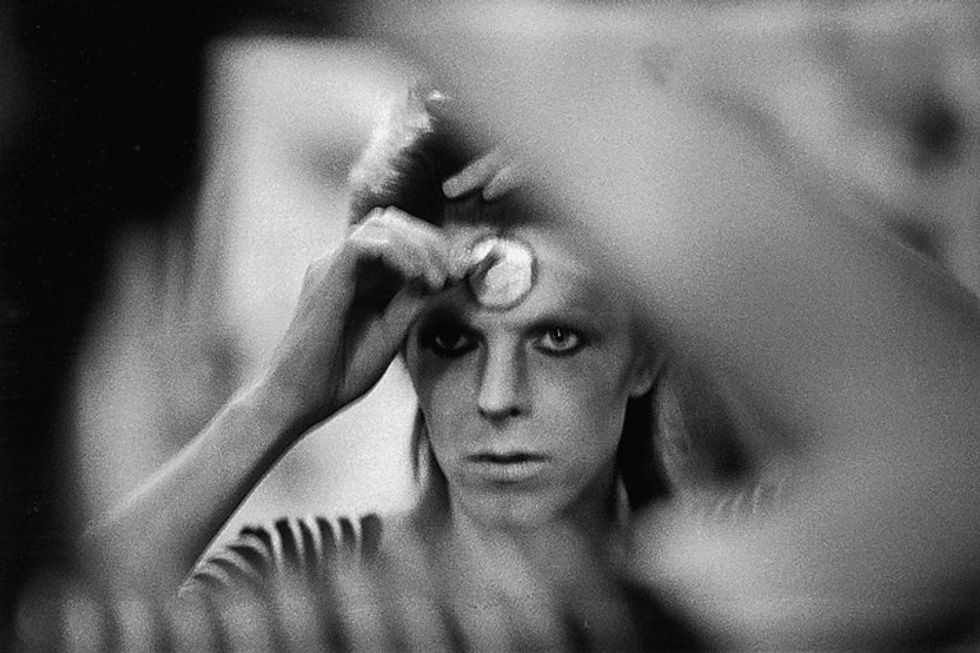
“Something happened on the day he died/Spirit rose a metre and stepped aside/Somebody else took his place, and bravely cried/(I’m a blackstar, I’m a blackstar)”