

Most of us try to be ethical whenever we can. It feels good to know that you're helping the world become a better place. Sure, if the recycling bin is right there I'll recycle my failed homework attempt. And I'll usually try to carpool somewhere with my friends if we're all going to the same place.
But when it comes to animals, ethics can seem daunting and most of us are totally unsure what to think. While in some countries dogs sleep next to humans in their beds, in others you'll find dogs served up for dinner. Some of us couldn't go a whole week without our juicy hamburger, and others believe that cows are sacred. Here are some of the ways that our relationships with animals have changed, and while I'm not trying to persuade you to change your ways (I definitely fall into that burger category), it is still very important for us to think about how our actions affect our ecosystem.
1. Pets
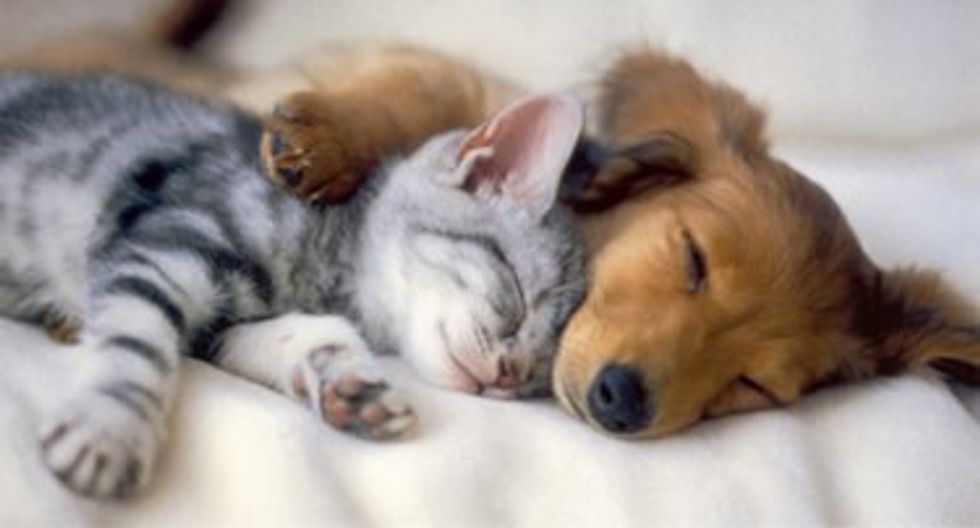
Anyone who's had a pet knows that they can be one of the greatest parts of your life. They're affectionate, they're loving, and they never get mad at you for no particular reason. Within a relatively short amount of time, animals have essentially become members of our families. Pet-lovers have been known to feed their dogs scraps from the table, or even prepare them steaks for dinner. Animals go to the vet just like humans do, and they usually get their own beds to sleep on (if not in our own beds with us!). Our proclivity for highly-selective breeds; however, can bring our love for pets into some murky territory. Though Dachshunds have been known to have severe back pain, and bulldogs can't support their heavy heads, breeders still pride themselves on the purity of their animals. And meanwhile, four million homeless pets die every year in animal shelters. Though we can't deny that pugs are adorable, maybe check out the local animal shelter before going to the breeder.
2. Farming
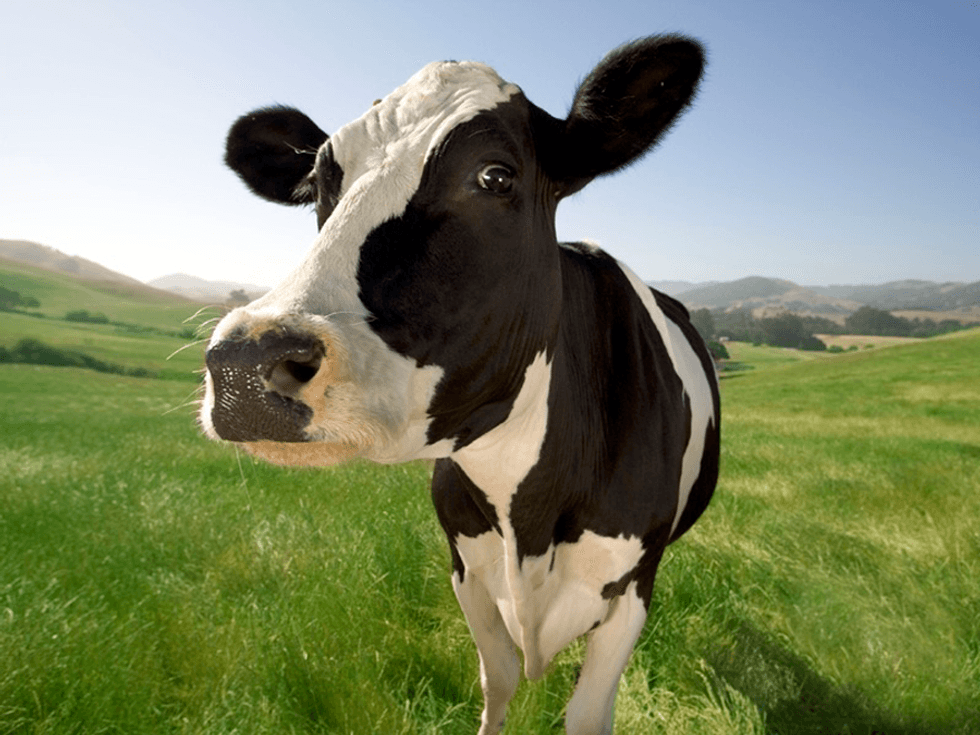
I know that I, personally, have had quite the debate with myself over whether or not vegetarianism is the best way to live. On the one hand, meat is more likely to make us sick, it's not necessarily very good for us, and the amount of meat that America eats continues to grow excessively. While in the 60s you might have had meat with one meal out of the week, now you can go to McDonald's for every meal. On the other hand, humans have always survived on meat, sometimes the lack of iron and protein can make vegetarians fall ill, and without meat-eaters, there would be no population control for all of these top predators.
Though we can debate about whether or not eating meat is bad in itself, one thing we can all agree upon is that the farming industry as it currently operates is an abusive mess. Chickens (usually Cobb 500s, the fattest manufactured breed) live their life in filth, unable to move and unable to see sunlight, until one night their swollen legs are grabbed by farm hands and they are thrown into a truck to be taken to the slaughterhouse. Ideally they'll be stunned and decapitated before they end up in the pot of scalding water, though the machinery doesn't always work perfectly. Cows and pigs lead similar lives, and what is more unsettling is how much we've learned about their social intelligence and cognizance of what happens to them.
If you really wanted to live your paleo diet, the way to do it would be through hunting. As humans started settling down and forgoing their nomadic lifestyles, they began to domesticate animals that they could eat, and this has led us to our factory farming that we have today. While we can debate whether or not eating meat is ok, it sure would be nice to know at least that the food on our plates had a good life.
3. Sports
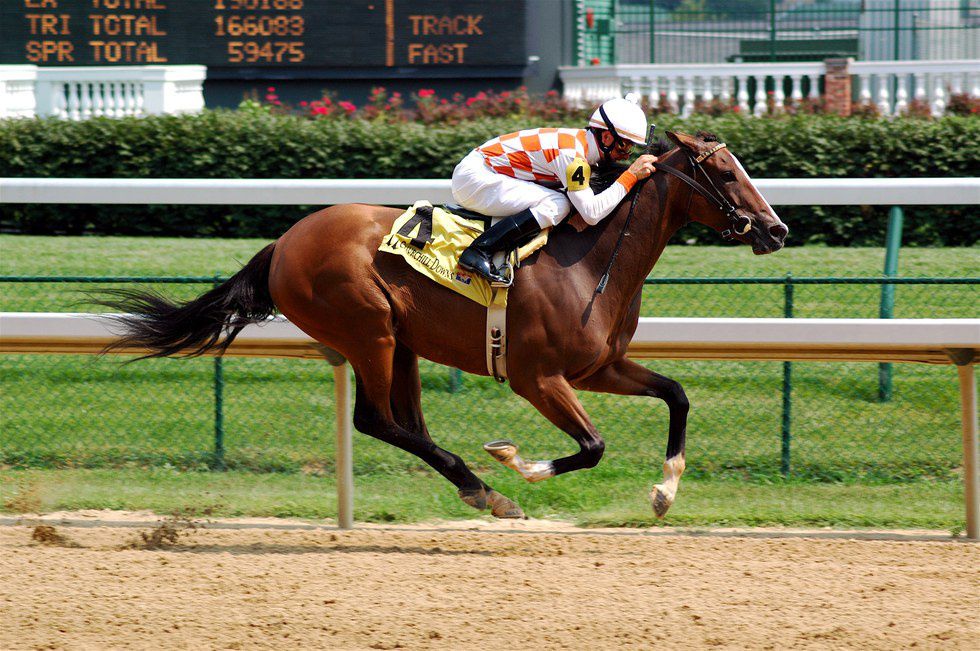
If you know what cockfighting is (which I didn't until recently), you'll know it's considered a "low-class" sport, and is out-lawed in many states. While fighting roosters usually have an amazing life of exercise, excellent meals, and plenty of care (which a Cobb 500 could only dream of), their lives end in a flurry of feathers and razor blades. While many of us can agree that it is wrong to pit animals against each other to fight (including chickens, dogs, etc.), we don't always think about another popular sport that puts animals in danger: horse racing. Horses that are bred for horse racing have disproportionately large bodies for their small legs, and spend their lives doped up on performance drugs with a new handler every few months. If they aren't killed during a race (usually shot after an injury), they are killed shortly after the end of their careers. One horrific anecdote described a case where a horse died from a broken leg, only to realize later after an FBI investigation that the care-takers tied the horse's leg to a truck and broke the leg purposely for insurance reasons. Though it's remarkable to see how fast these beautiful creatures can run, at a certain point we need to question whether we are OK with letting other animals suffer purely for our enjoyment.
4. Extinction
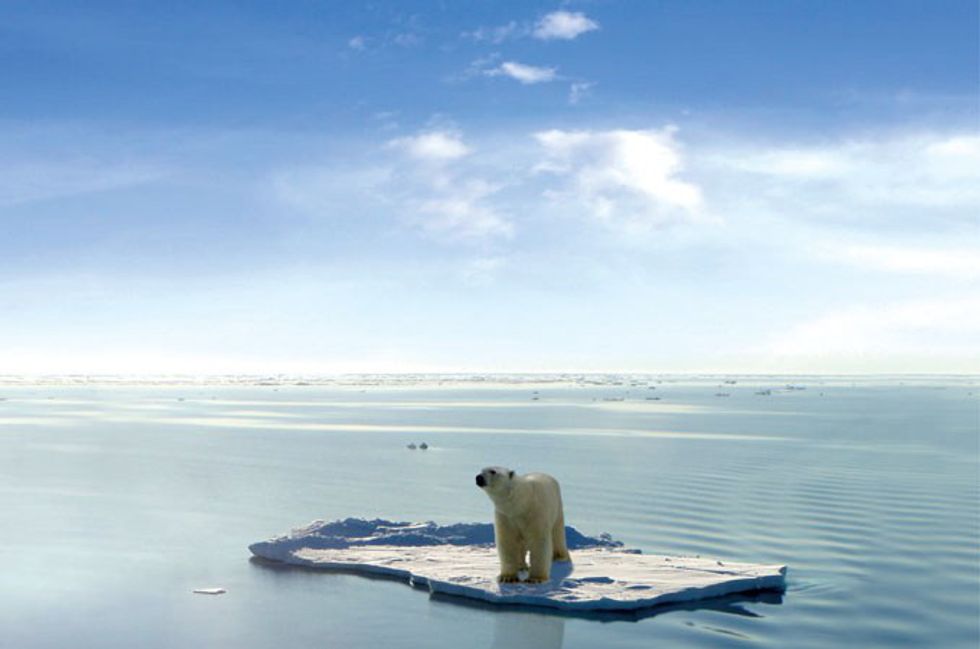
One of the most interesting aspects of our efforts of species conservation is the way that we care about which animals to conserve. In Jon Mooallem's famous Ted Talk, he describes how the Teddy Bear became popularized because of A) mass urbanization that reduced the risk of actually seeing a wild bear, B) a nation-wide effort to cull the bear population, C) the fact that they have faces similar to humans and to pets, with eyes facing forward and ears and a snout. If the story had been about a spider, we probably wouldn't be getting spider toys for Christmas. Many popular species conservation efforts revolve around animals that are "cute," while it's harder to get attention for creatures that don't look like us or seem "cute."
5. Research Subjects
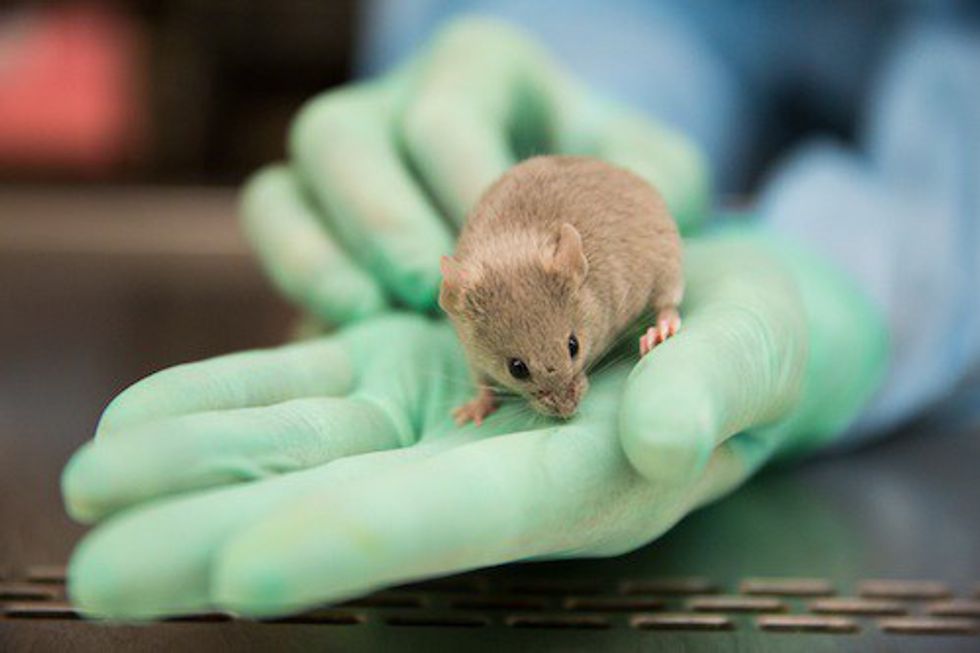
Using animals as research subjects is a very complex ethical issue in that in order to prove that testing experiments on animals is inhumane we would need to test animals to learn more about them. Also there's the issue as to whether human lives are more important than animals, and whether harming other animals warrants possibly saving a human life. As with the farming issue, while we have many standards and procedures in place to regulate animal testing, this doesn't necessarily mean that the testing is cruelty-free. An experiment testing whether IRBs across the national uniformly approve research showed that their decisions were essentially random. The thought of vivisections, or operations performed on live animals for research purposes, would probably make anyone cringe, and this is only one of a myriad of ways that researchers test animals.
As we learn more and more about animals, we realize they're not really all that different from us. Humans don't have the biggest brains or even the most complex social structures. While it would be easier for us to continue our lives without thinking much about our everyday actions, in order for humanity to grow we need to reevaluate what we are comfortable with and what we think is right.