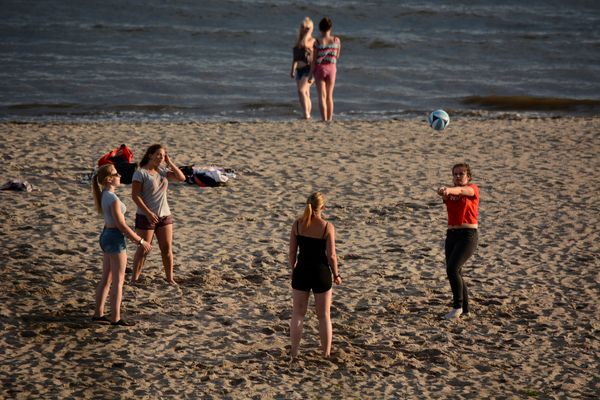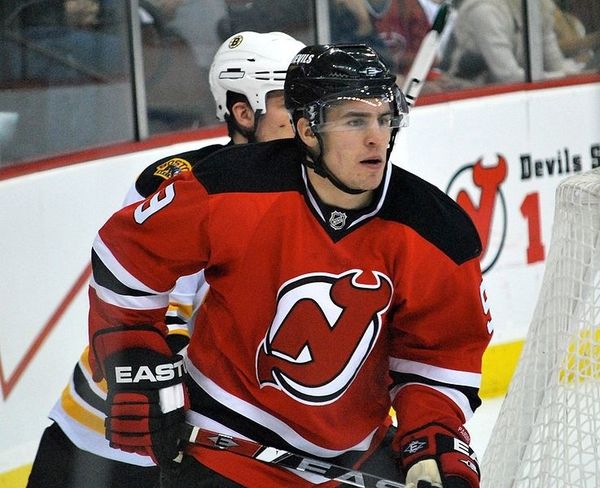

There’s no question that everybody needs someone they can look up to. But unfortunately, it’s no longer good enough to rely on dear old Dad as a role model for everything, especially when it comes to sports. In this modern-day era of hyper-specialization and ability, it’s becoming more and more common for people to go all-in on one activity, and the versatile athlete of generations past seems to be almost extinct.
For many, this dedication begins at a young age. Kids want to be famous football and soccer players when they grow up, following the careers of their favorite professional athletes in hopes of being just like them. And it makes sense — achieving the level of athletic prowess we see from famous athletes in the media is a feat that has proven to be incredibly difficult. So we look up to those select few who managed to come out on top; they must have done something right…right?
But the problem with aspiring to be like these athletes is that they have sacrificed everything for technical precision, with no backup plan; something that college students simply cannot afford to do. For most of us, going pro is not a legitimate career option, especially for people coming from a mediocre DIII school like mine. And while it’s true that professional athletes perform at a level that most everybody else could only dream of, having a “What would Ryan Lochte do?” attitude in terms of our own practice regiment may not be the best idea.
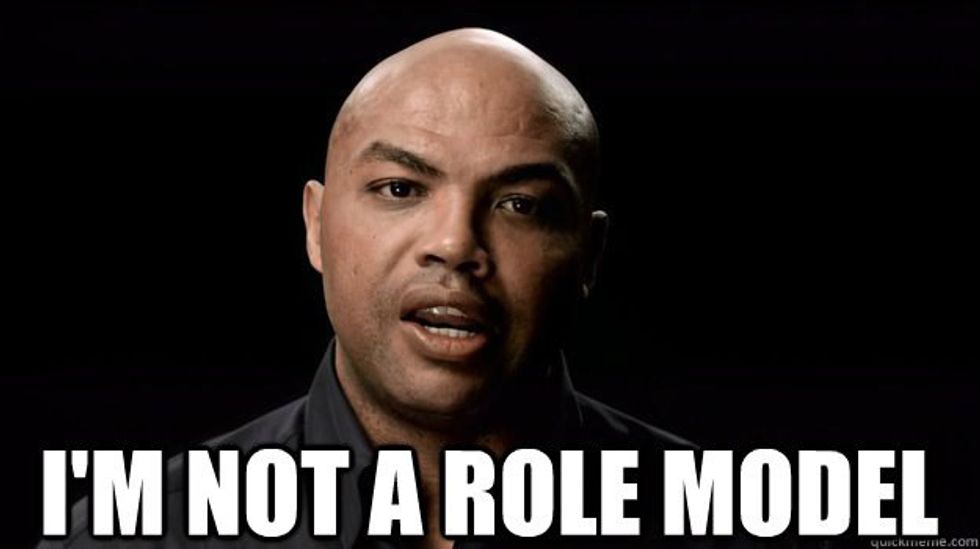
The thing is; a professional athlete’s relationship with the sport is very different than the typical collegiate competitor. While his or her commitment to the game usually surpasses that of any other hobby, it’s still just a game, and success is far more inconsequential than for those who dedicate their entire lives to the sport. As Charles Barkley said in his “I am not a role model” commercial for Nike, his job was to be an athlete. He was literally paid to be good at sports, not to be a role model. And the amount of time he devoted to athletics was a professional choice made with his career in mind.
Now that’s not to say we shouldn’t admire famous athletes at all. It’s okay to look up to them, and there's value in knowing that hard work and perseverance really do pay off. But there’s also a difference between respecting someone in their unique role as a professional athlete, and using him or her as an example for our own lives. Especially when looking to those whose intentions differ substantially from our own, an "I need to train as much as they do so I can be just as good" mentality can be dangerous.
College students are juggling academics, extracurriculars, and social lives in addition to their sport. Modeling their athletic regiment after professionals could lead to unrealistic expectations for the amount of time they should be committing to practice.
So, when searching for a personal role model, look closer — to someone who’s playing the same game you are. Maybe it’s your captain, or maybe it’s that freshman who gives 110% at every practice, even at 5:00 a.m. on a Friday. Just don’t let it be the person who spends all day, everyday in the gym chasing after a $30,000 bonus he’ll make if his team wins.