As a student, I've read a fair amount of books in my lifetime. What with taking a plethora of English classes my senior year alone, I did a lot of reading and annotating. Here are some of my favorite books, in no particular order.
"Jude the Obscure" -- Thomas Hardy
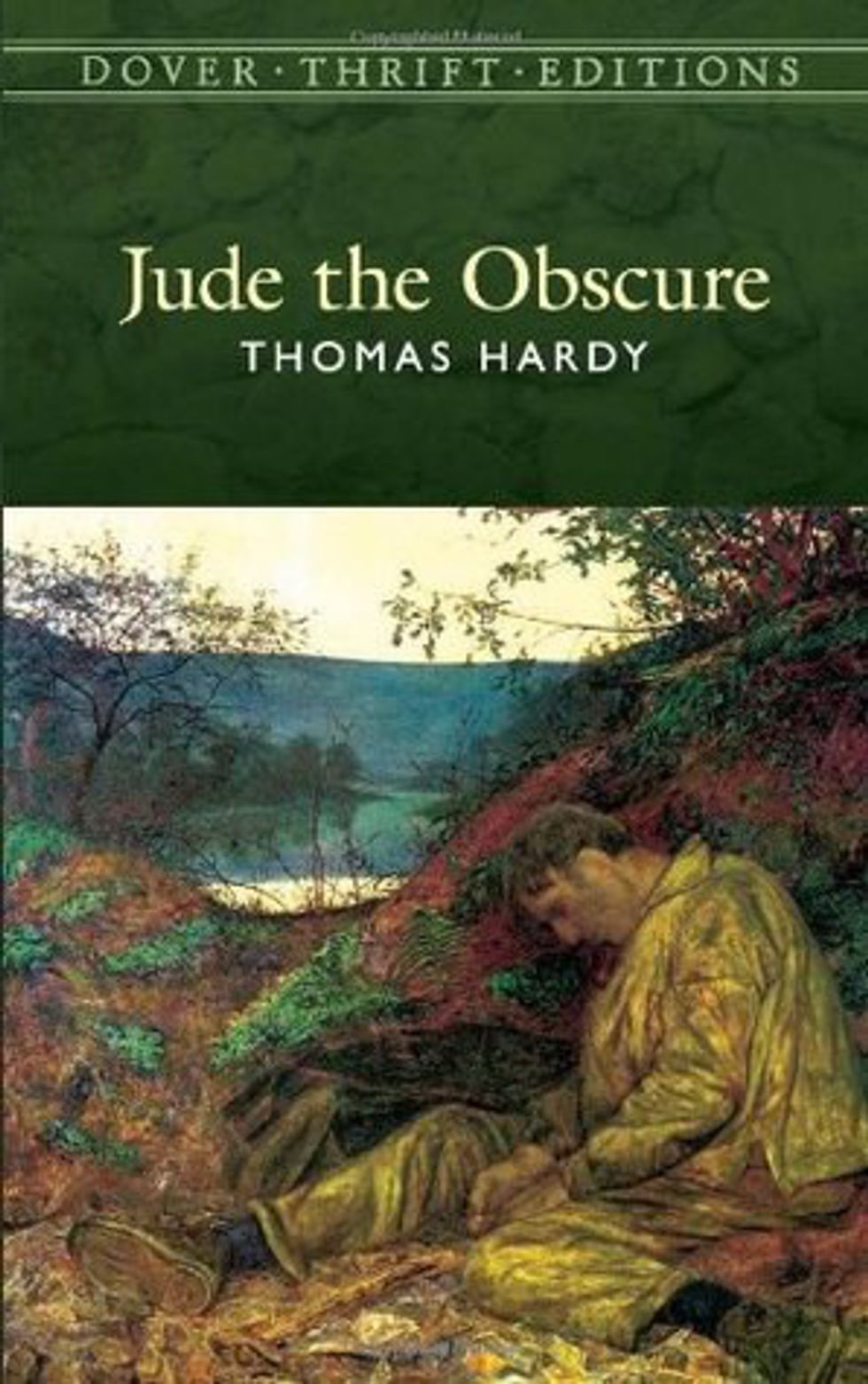
OK, so maybe I'm mentioning this first because it's my favorite book. I read it in my AP English: Literature and Composition class for the first time, and I'm so glad this book was on the reading list for the year. I ended up writing about "Jude the Obscure" for one of my written supplements for Simmons. I fell in love with young Jude in the beginning of the book. I find the first chapter to be one of my favorites because it does an excellent job of setting a precedent; Jude was told that feeding the birds was wrong, even though it isn't. Because he's been taught that right is wrong, he may or may not make the right choices throughout the rest of the book. Also, nothing screams "love" quite like getting hit with a pizzle. (I see you Googling that word. I can now see you reacting with disgust to the definition of "pizzle." It's all right, we all have that reaction.)
"The Diary of a Young Girl" -- Anne Frank
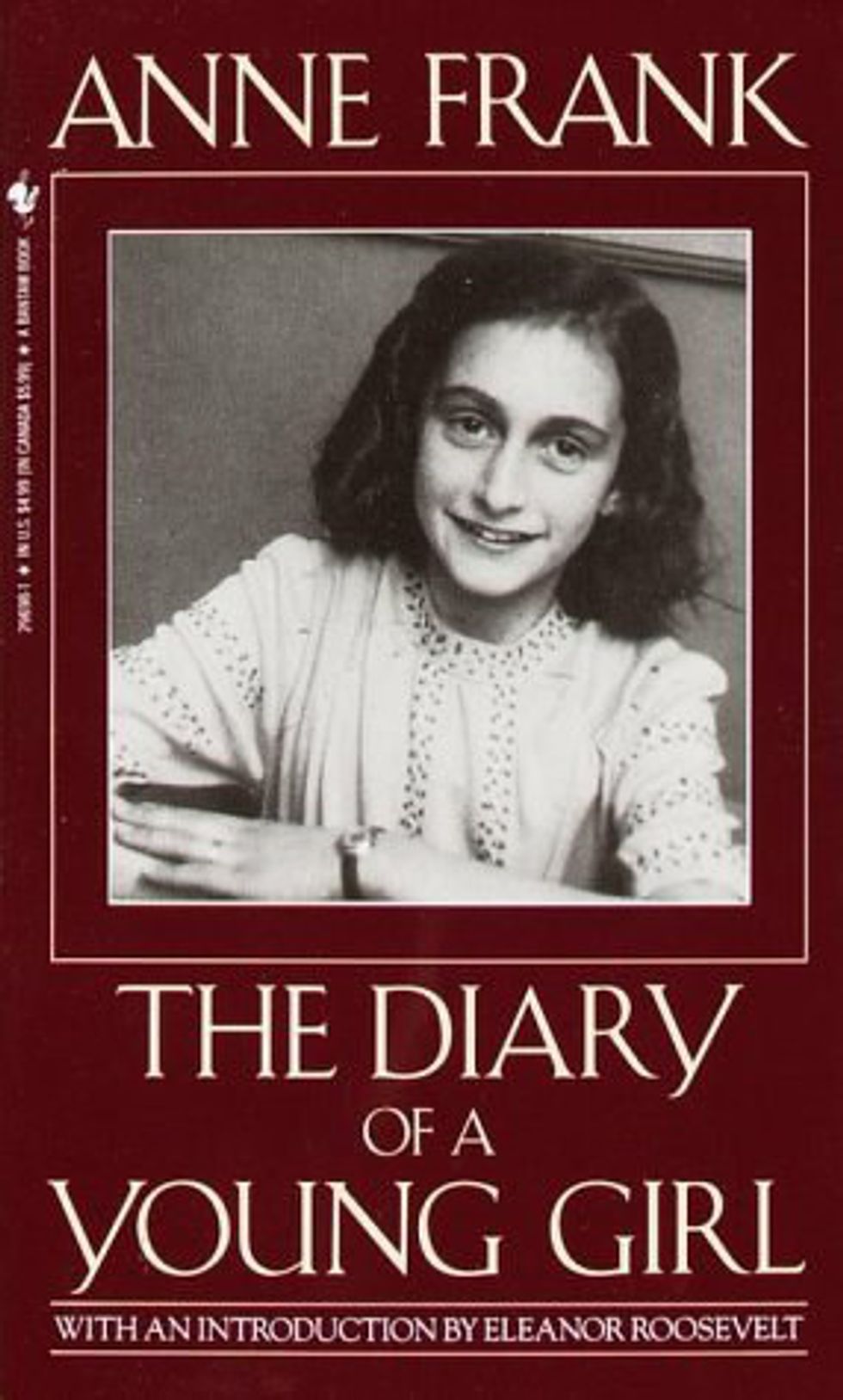
There are only so many things I can say about this piece of history. I'm a history buff, so reading someone's deeply personal memoir about their experience during (arguably) one of the most tragic times in history feels unreal. As a decent human being, I don't want to believe that people had to hide for over two years, risking arrest and death, because of religious persecution. The ending is reality slapping you in the face when you realize it only ended because Anne, her family, and their friends were arrested and taken to Bergen-Belsen shortly after. There's emotion and purpose behind every word Anne chose to use in her diary. (The version I have of this book is actually two versions in one.)
A brief history about her diary: There are three versions of it. Version A is 100 percent her original words with minor editing on her part. Version B is version A with more editing done by Anne herself. Version C is version B with Otto Frank's edits. (Apparently, he felt that some of the subject matter was too "inappropriate.") You probably read version C in school. The copy I have includes versions B and C.
Anne's sister, Margot, also wrote a diary. If at all possible, I want to get my hands on it and read it.
"Le Petit Prince" -- Antoine de Saint-Exupéry
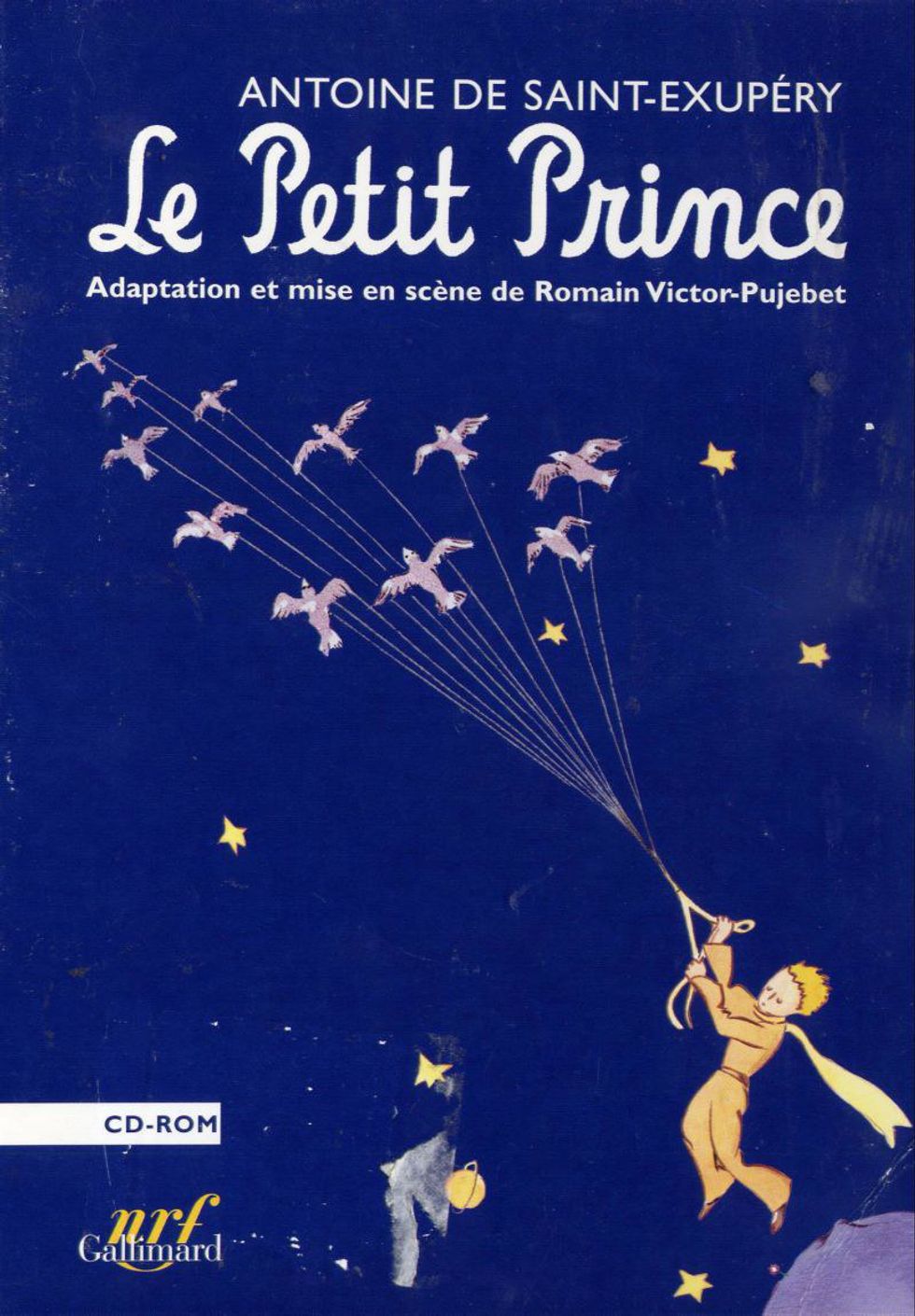
Even though this book is meant for children, it holds a special place in my heart. I read it in a high school French class and had a French teacher who was so passionate about the book. Her excitement rubbed off on me. The movie version of this is terrible, but I'm excited for the new animated version to be released in the United States.
"Grown-ups love figures. When you tell them that you have made a new friend, they never ask you any questions about essentail matters. They never say to you, 'What does his voice sound like? What games does he love best? Does he collect butterflies?' Instead, they demand: 'How old is he? How many brothers has he? How much does he weigh? How much money does his father make?' Only from these figures do they think they have learned anything about him. If you were to say to the grown-ups: 'I saw a beautiful house made of rosy brick, with geraniums in the windows and doves on the roof,' they would not be able to get an idea of that house at all. You have have to say to them: 'I saw a house that cost $20,000.' Then they would exclaim: 'Oh, what a pretty house that is!' "
― Antoine de Saint-Exupéry
" Harry Potter and the Deathly Hallows" -- J.K. Rowling
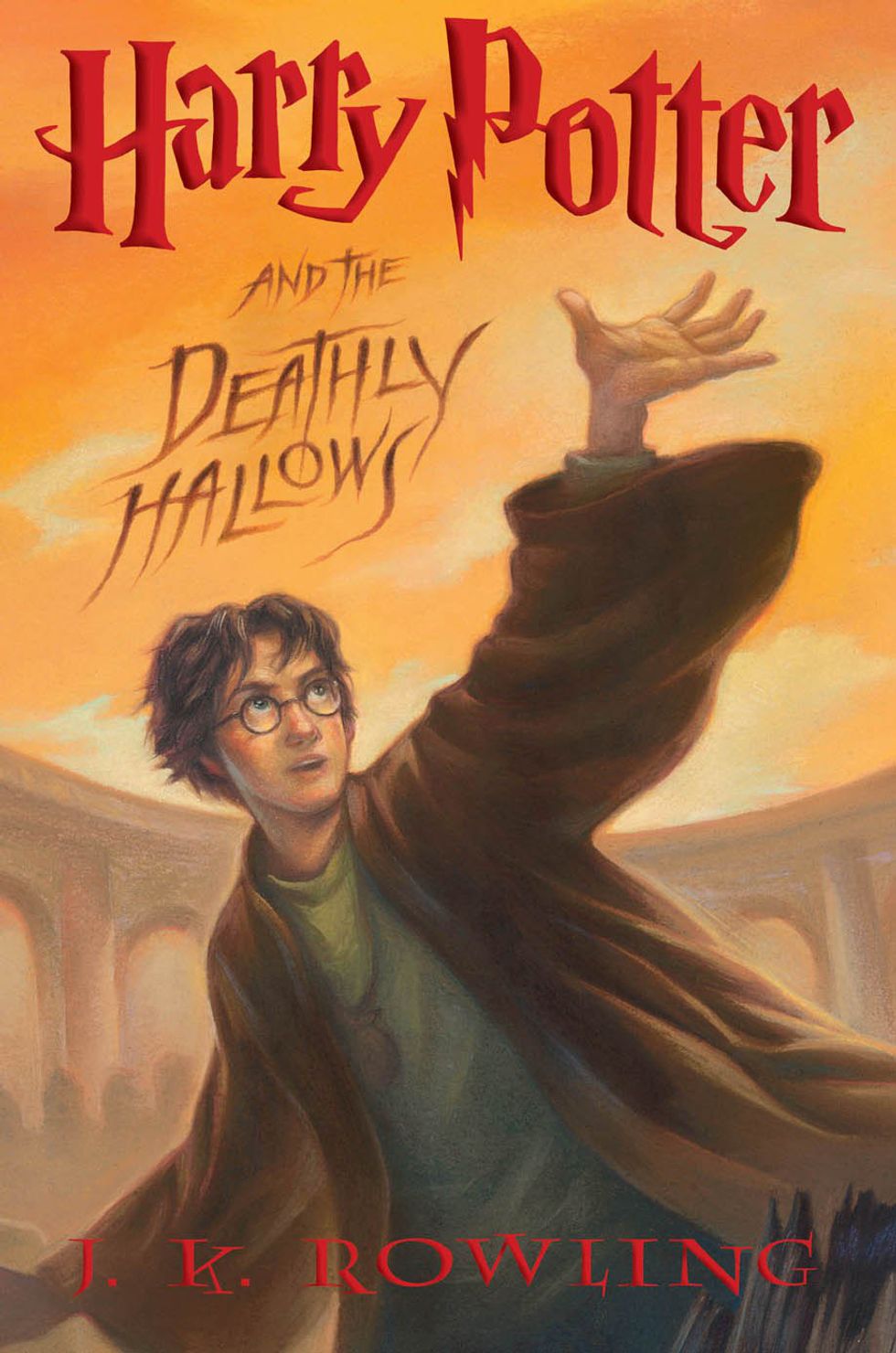
Out of all the books in the "Harry Potter" series, this one is my favorite. ("The Prizoner of Azkaban" is a very close second, though.) Obviously, I didn't want the "Harry Potter" series to ever end, but I'm glad Rowling created the ending that she did. The characters did not come out of this series the same people they were when it started, and I certainly changed while reading these books, as well. As cheesy and nerdy as it sounds, characters in books become your friends. I am friends with Harry, Ron, Hermione, and Neville. (Not Ginny, though. I never cared for her, and I didn't care for Cho Chang, either.) I did have a million and one Defense Against the Dark Arts professors. Hermione did take me with her when she used the Time Turner to get to all her classes. I was part of the Battle at Hogwarts. You make fun, but it's all real to me.
Now, if only Hogwarts accepted FAFSA.
"The Fault in Our Stars" -- John Green
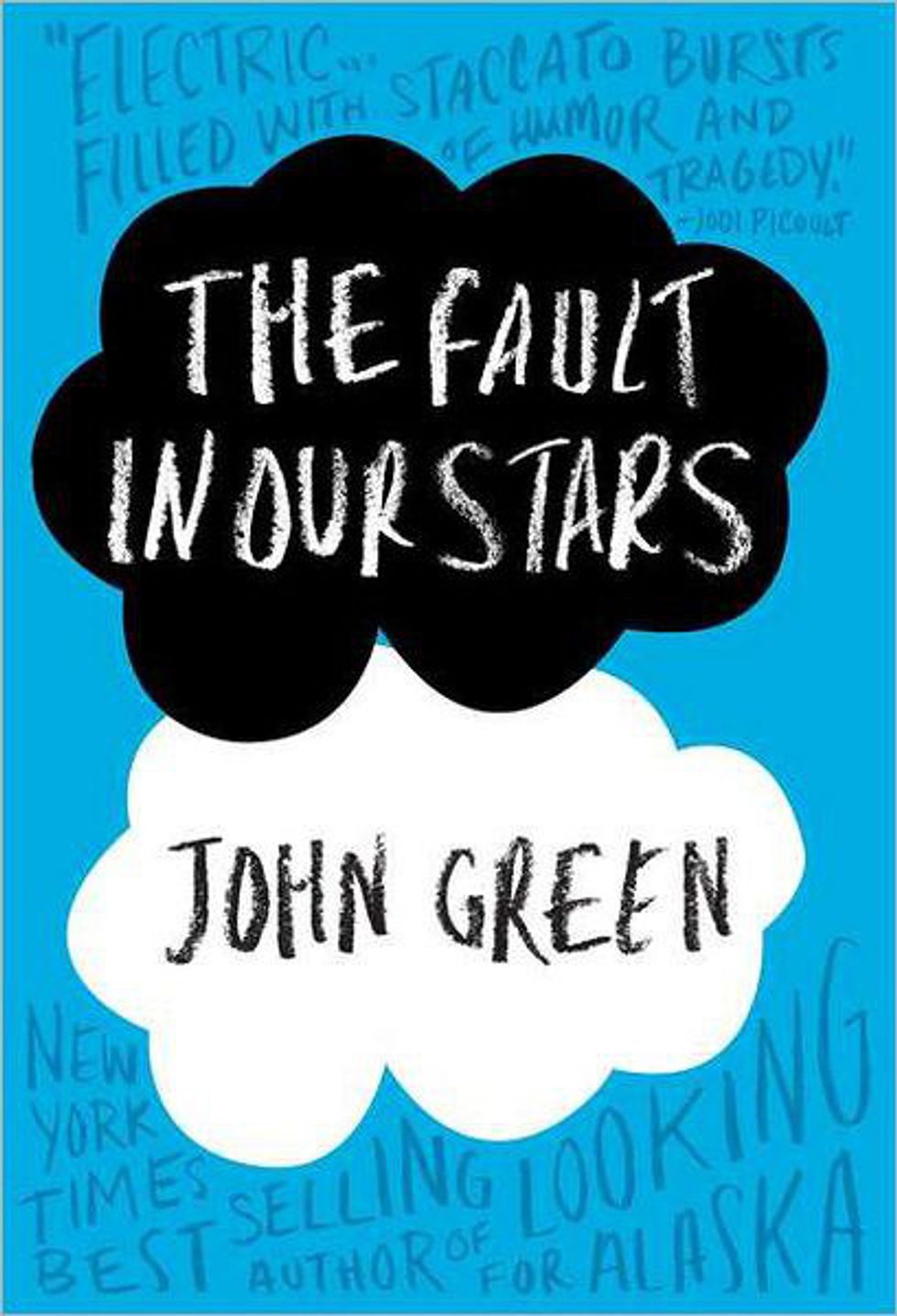
Shout-out to my friend KT for getting me hooked on this book. This book became popular during a pivotal time in my life: My aunt had passed away from cancer, and reading stories about that level of sadness and loss didn't appeal to me at the time. However, after giving this book a shot, I realized it was about so much more than what people were saying. It's about those awkward teen years, first love, friendship, persistence, strength, family dynamic, and reality.
"Sometimes, you read a book and it fills you with this weird evangelical zeal, and you become convinced that the shattered world will never be put back together unless and until all living humans read the book."
― John Green
"The Giver" -- Lois Lowry
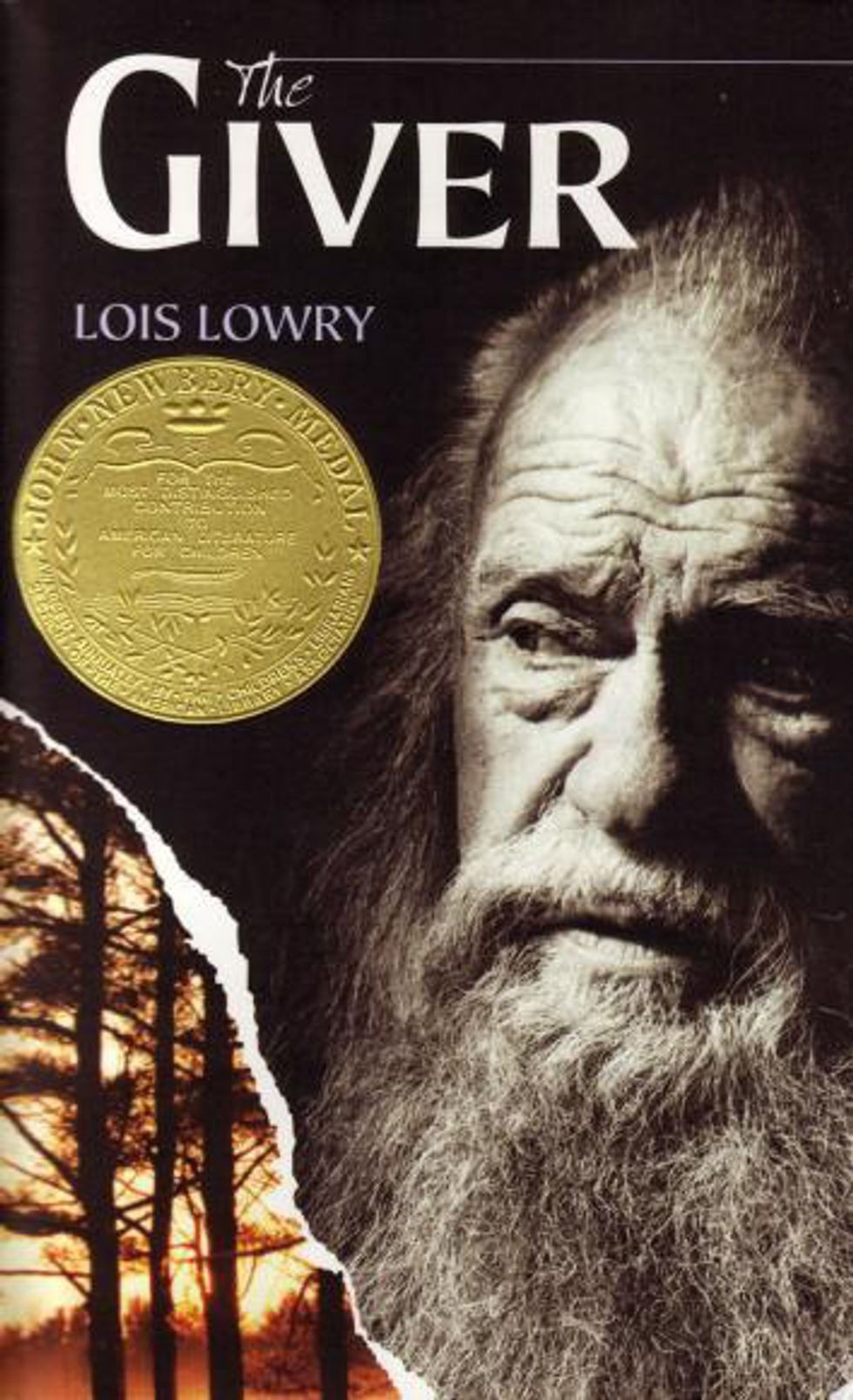
" 'I liked the feeling of love,' [Jonas] confessed. He glanced nervously at the speaker on the wall, reassuring himself that no one was listening. 'I wish we still had that,' he whispered. 'Of course,' he added quickly, 'I do understand that it wouldn't work very well. And that it's much better to be organized the way we are now. I can see that it was a dangerous way to live.'
... 'Still,' he said slowly, almost to himself, 'I did like the light they made. And the warmth.' "
― Lois Lowry
"Night" -- Elie Wiesel
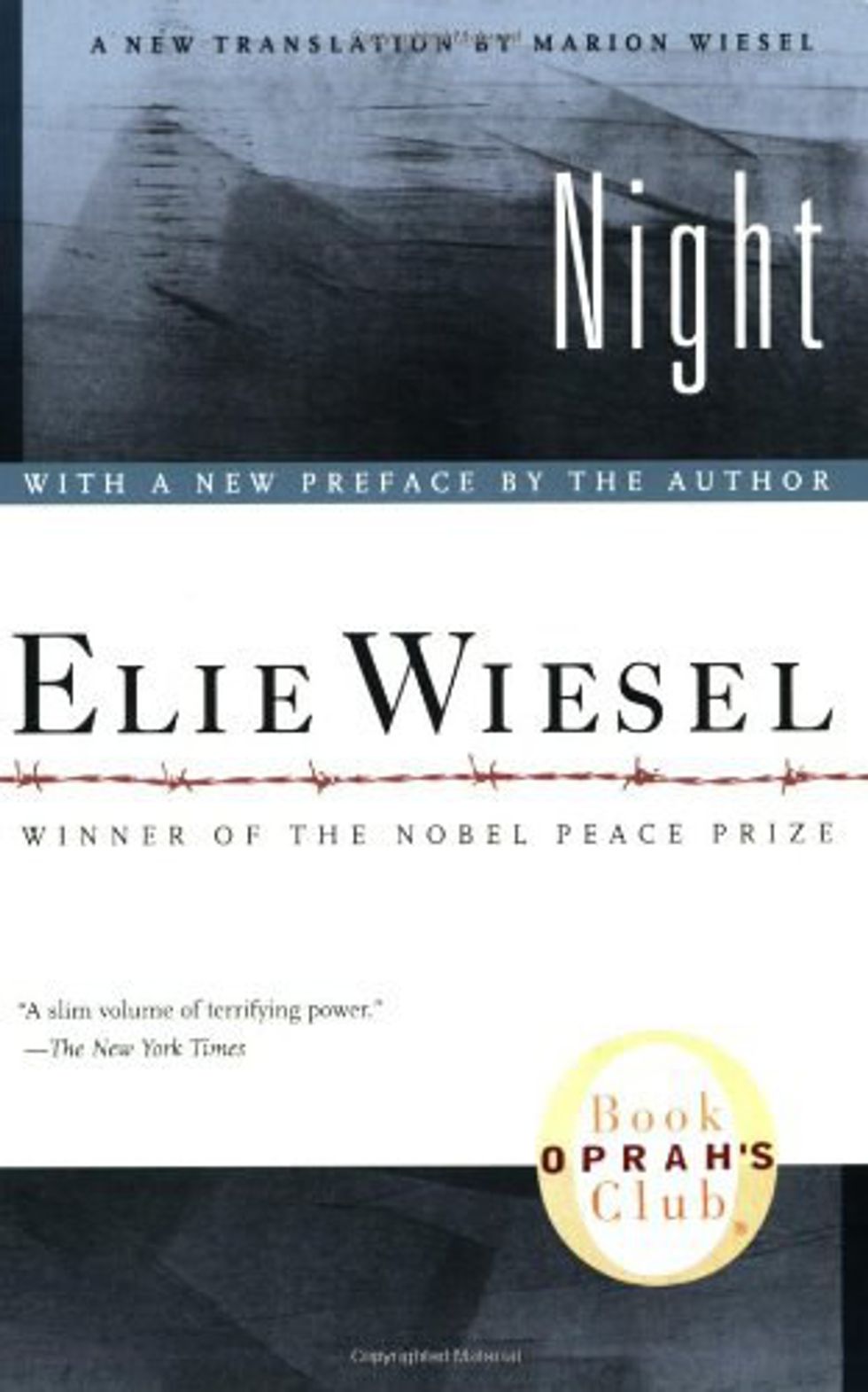
I think a quote is the only appropriate way to explain this book.
"Then came the march past the victims. The two men were no longer alive. Their tongues were hanging out, swollen and bluish. But the third rope was still moving: the child, too light, was still breathing... And so he remained for more than half an hour, lingering between life and death, writhing before our eyes. And we were forced to look at him at close range. He was still alive when I passed him. His tongue was still
red, his eyes not yet extinguished. Behind me, I heard the same man asking:
'For God's sake, where is God?' And from within me, I heard a voice answer:
'Where He is? This is where--hanging here from this gallows...'
That night, the soup tasted of corpses."
― Elie Wiesel
Go read a book!