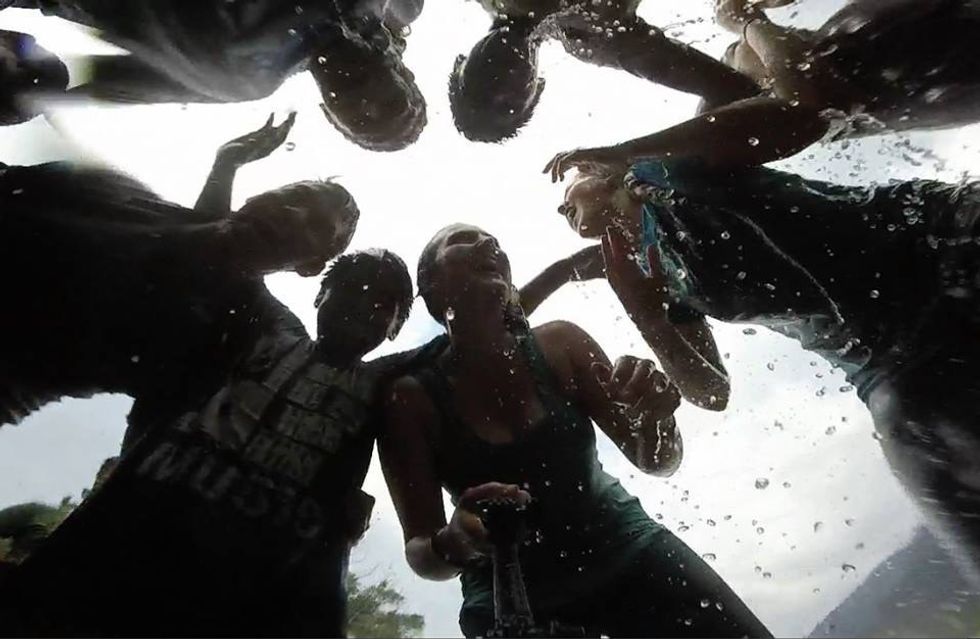
I just got back from a social justice trip in Guatemala, and I emphasize social justice, because it's very different than a traditional service trip. The difference between service and social justice is that service is the temporary band aid, while social justice is the long-term healing. Social justice emphasizes educating yourself about the issue of a place and what ultimately caused that issue. Service is giving a less privileged community shoes to wear, but social justice is giving them access to proper education so they can get the resources to start their own shoe making company. Social justice also focuses on post-trip action and how you can take what you learn home with you and spread awareness.
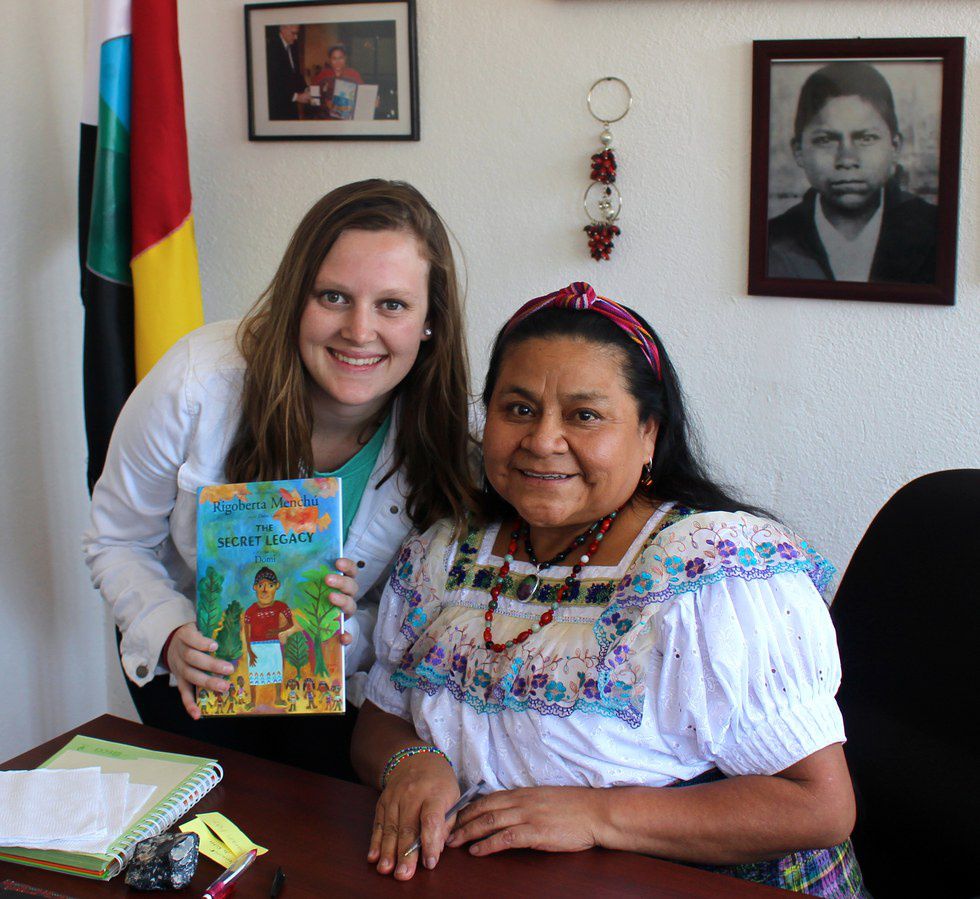
Before our trip we learned in depth about the Guatemalan Civil War, a war that hardly any people know was actually started by the US government and the CIA over a fruit corporation. During the Guatemalan Civil War, which only just ended in 1996, the Guatemalan government declared the indigenous Guatemalan people enemies of the country and horrible acts of genocide were committed against them. While in Guatemala my friends and I were fortunate enough to meet Nobel Peace Prize winner and human rights activist Rigoberta Menchú. Not only did she welcome us students into our home with open arms, but she also ignored a call from the Venezuelan Embassy just to keep talking to us.
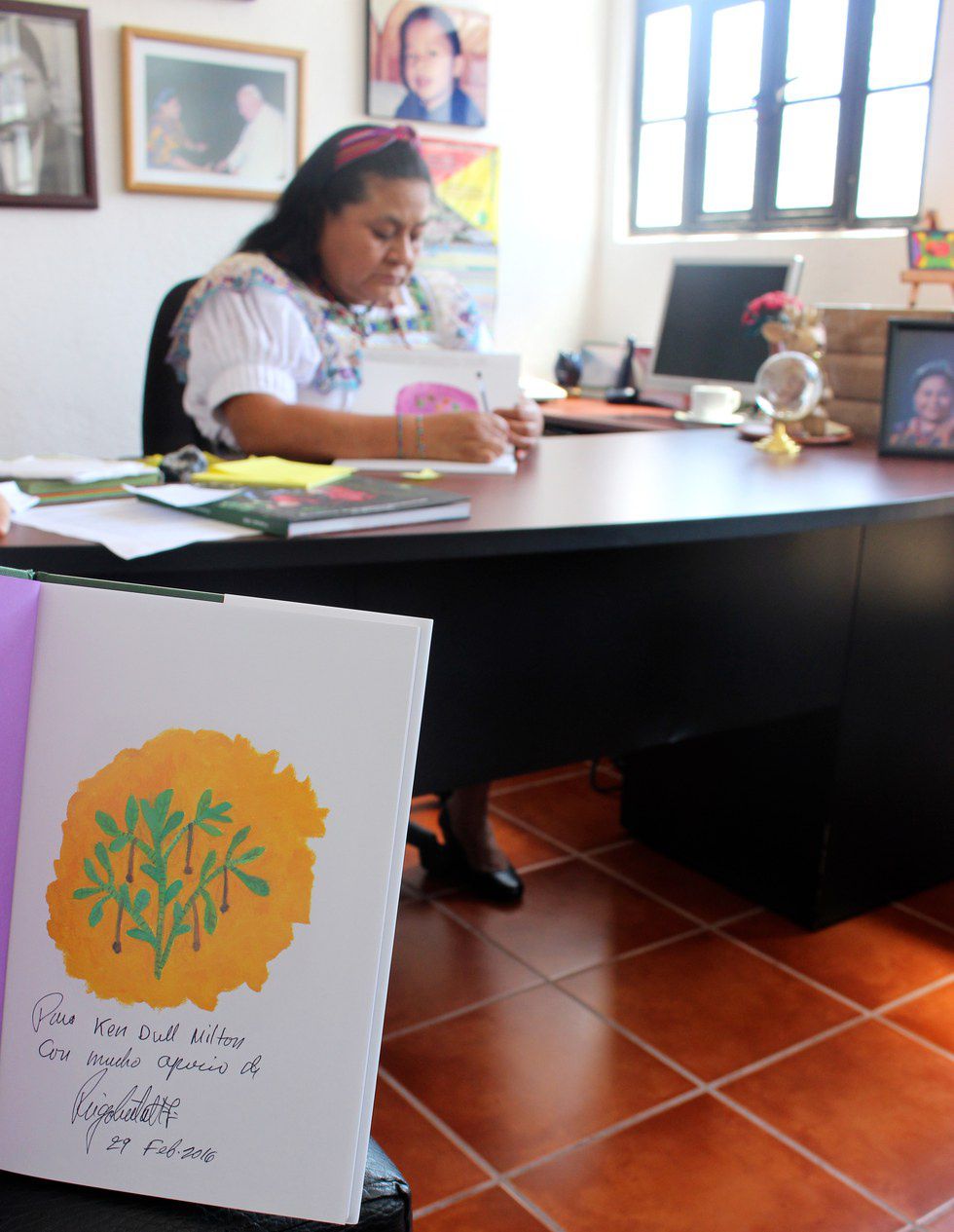
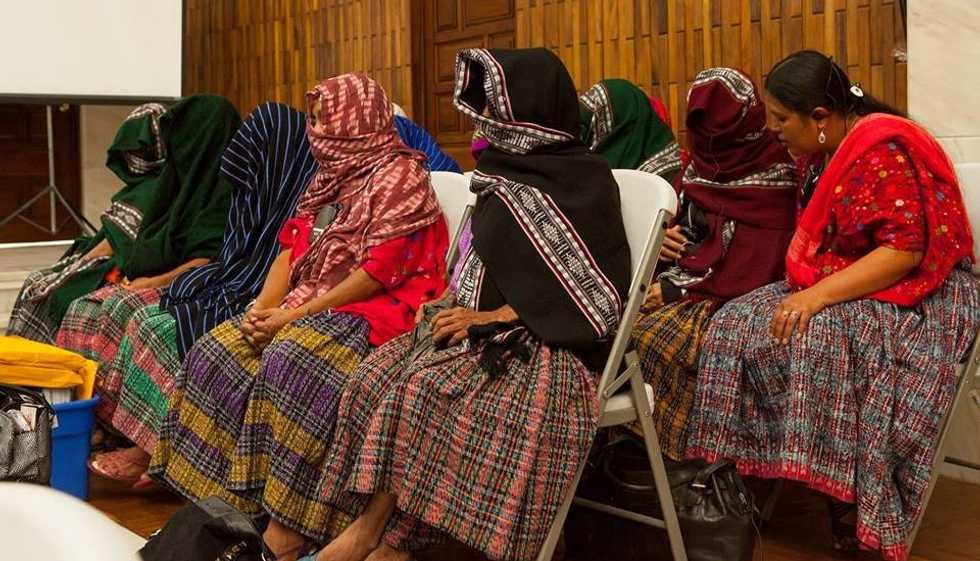
When she told us her story, and the stories of the other indigenous people, there were tears in her eyes. After her father and a bunch of other innocent indigenous people were burned alive by Guatemalan soldiers, she began to take justice into her own hands. There are 200,000 cases of human rights violations against the indigenous Mayan people in Guatemala and only four of these cases have been taken to trial. She pointed to a bookcase which held an account of every single human rights violation from the war. She told us that she has read all of them once and will never read them again. Some of those violations included a case that just last week surfaced in the American news, where several indigenous women were testifying against Guatemalan soldiers for slaughtering their husbands, raping their young daughters in front of them and forcing the women to be both labor and sexual slaves in their headquarters for years. With Rigoberta's help, these women won the trial and each of the men were sentenced to over 100 years in prison. However this does not take away the pain and the damage these men have caused to these women and the victims of the 200,000 violations. Rigoberta cried and told us that the accounts these women told her of their experiences were unfathomable.
Rigoberta's foundation started the Pavarotti School, which is the school that the other students and I worked at while in Guatemala. The Pavarotti School aims to fight against the racism and poverty of the indigenous people through education and by celebrating their indigenous heritage. The Pavarotti school is one of the only schools in Guatemala that requires that students learn Cakchiquel (their native language) and that allows them to wear traditional Mayan dress to school, and to learn about their Mayan culture. Despite people claiming her story is not true, Rigoberta continues to fight for the human rights of her people and continues to love with all her heart.
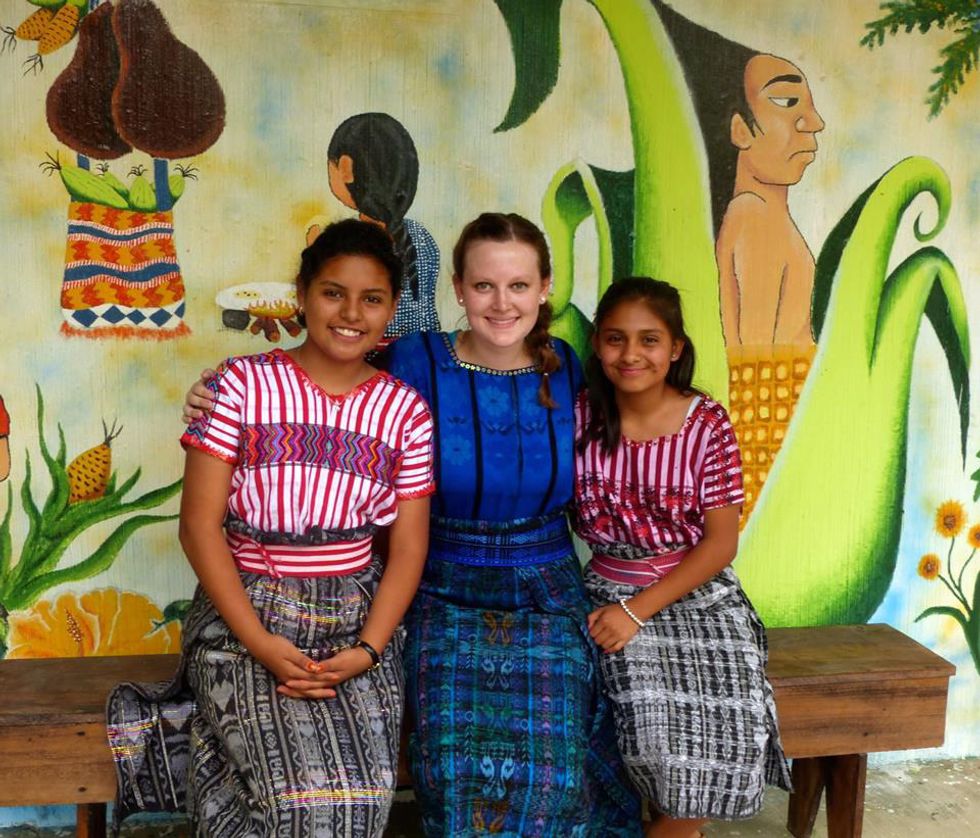
Femicide, genocide, racism and violence against marginalized groups of people are world issues. Rigoberta believes in trying to achieve peace and love with each other, and her kindness and genuine love inspired each of us students to try and carry out her message. When we asked her what we could do as students to bring back her message to LMU and the US she said, "keep Guatemala in your heart, and if you see injustices occurring stand up for them." I am so privileged to even have the opportunity to meet a Nobel Peace Prize winner and to experience another culture. I think difference and individuality is beautiful, and if we were all the same, this world would be a terribly boring place. Sadly there are many people who love to hate those who are different than them. We don't get to choose what race we are, what gender we are, the socioeconomic status we're born into, our sexuality or what family or country we come from. But for those of us with privilege, we do get to choose whether or not we help the the voiceless have a voice. I believe it's my duty as an educated, privileged woman to help give oppressed and persecuted people a voice and to stand up for those whose basic human rights have been taken from them.