



Let’s be honest— as humans, we’re lazy. As Americans, we’re probably even lazier. But some things matter more than the mood we’re in— or rather, how we’re not in the mood to go out of our way to make our lives a little harder, and the life of the planet a little easier. Here’s a couple of minimal-energy things you can do to contribute to the well-being of your planet on a daily basis.
1. Recycle. Obviously.

I know that most people already do, and that it’s mandatory in most parts of the country to recycle and put it out on the curb in front of your home, and that’s great. But when you’re on your own walking through the city, and you’re done with the vitamin water you just finished, don’t throw it in the garbage can— wait until you see a recycling can. If you’re done with your Starbucks coffee and you don’t feel like carrying it anymore, just wait a little longer until you find a place to recycle it. I know, carrying things is annoying, but just think about the fact that each time you choose to recycle, you’re saving that much more plastic or paper from being wasted, and instead revitalizing it for another purpose in the future. That’s power.
2. Conserve energy in your home.

This also seems like an obvious one, but people seem to forget to keep it in mind, and it can really do a lot to expend minimal energy in the house when it’s not needed. When you leave a room, remember to turn off the light. Even if you’re going to walk right back into that room shortly— when you’re not there, who cares if it’s dark? The extra second it’ll take you to flick the light switch when you walk in again won’t kill you. Another thing— don’t let the sink run for too long (turn it off while brushing your teeth) and take shorter showers. Also, use your air conditioning as little as possible—t hese things use up tons of energy and are often left on for long periods of time. If it’s hot, try to just open a window and let some fresh air circulate. If you must use the beloved AC, buy one that can switch into economy mode, meaning that it only goes on if it gets super hot, and then turns off again when it cools down. And don’t forget to shut it off when you leave the room! Another thing you can do: raise the temperatures inside your fridge and freezer when you go away for long periods of time. You can do this because you won’t be opening and closing it constantly, and your food will stay fresh as ever.
3. Don’t use plastic bags.
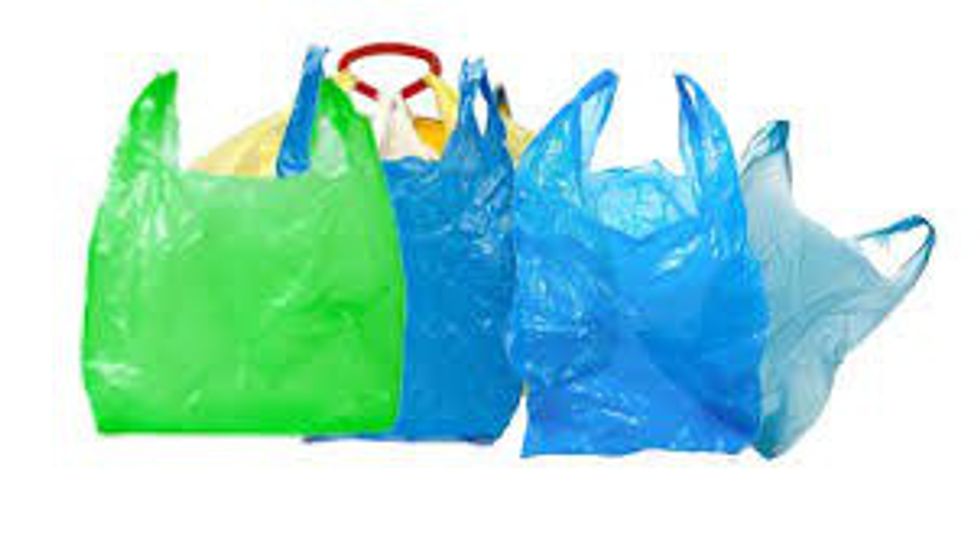
This is a big one, and people don’t seem to thing about it that much. Just think about all the plastic bags that are used each day as people shop at the grocery store. While you’re busy deciding between the organic acai-berry chocolate granola bar and the crunchy-baked garlic kale chips at the register, the cashier is bagging all of your groceries into dozens upon dozens of plastic bags. Plastic bags, by the way, that are NOT recyclable. Therefore, they will forever stay on this earth as waste. So instead of using plastic, use paper. Better yet, buy a couple of reusable bags, or just find a couple of old unused canvas sacks lying around your house and use those at the grocery store instead.
4. If we’re keeping with this whole reusable thing, buy a reusable coffee cup/travel mug.

This is the same idea behind the plastic bags— why produce waste every time you drink coffee? Each time you get a plastic or paper cup from Starbucks, it only ends up in the garbage after the ten or so minutes you use it for. Instead, buy a reusable cup/mug and take it with you to coffee shops. It’s better for the planet, and it looks cooler, too.
5. Take public transportation.

This is a pretty easy one for young people, especially people who live in cities. Instead of driving in your car and using private transportation (which emits carbon into the atmosphere and directly contributes to climate change), take the train or the bus. Better yet, BIKE. Biking is great.
6. Eat take-out less.

This goes with the whole reducing-your-waste thing: go out to eat with friends at a restaurant instead of staying in for the night. Yeah, you have to tip the servers a little more and walk the couple of blocks to your favorite eatery, but you’ll be saving a lot of paper and plastic by not having your food a) brought to you in a paper bag inside a plastic bag and b) served to you in plastic containers with plastic utensils.
7. And one more thing about eating: eat with your brain.

Make conscious choices about what you're putting in your mouth. Always think about where your food is coming from and what it has taken to get to the plate in front of you. Eat less meat, especially processed meat and when you don’t know where your meat is coming from. Eat more vegetables, especially organic, locally grown vegetables and fruits too. This will allow you to both support the small local stores in your community and take a stance against large factory farms that promote animal suffering and cruelty and massively pollute the environment in order to maximize their production of food.

















