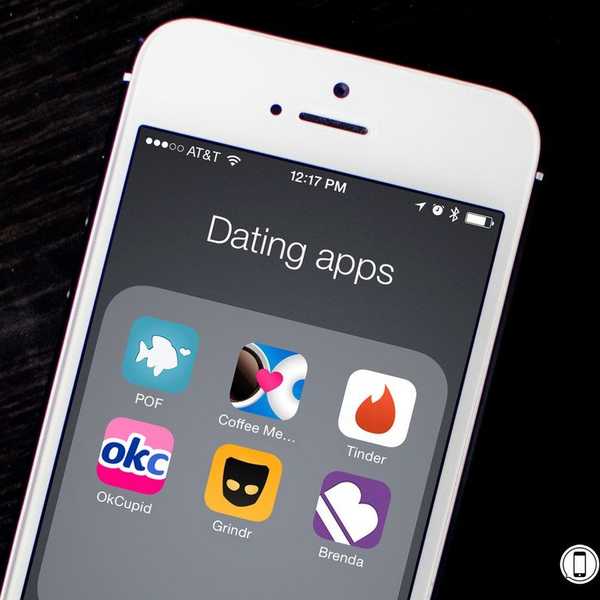

The Tinder craze is practically unavoidable.
The obsession has reached a caliber akin to Justin Bieber circa 2009, "Gangnam Style," and that one song by Hot Chelle Rae, the band's singular claim to fame before fading blissfully back into obscurity. (Really, does anyone remember Hot Chelle Rae besides me?) Sites like Match.com or OkCupid were both launched before Tinder and offer virtually the same services. So why is Tinder so game changing?
Completely changing the way millennials meet, Tinder has taken over our smartphones and practically every other aspect of our lives. The dating app launched in 2012, and billions of users have since created profiles in search of casual flings, steady relationships, and everything in between. "Everything in between" also apparently encompasses one guy's request to find someone with a peanut-butter fetish, as stated in his user bio. I swiped left, but peanut butter-guy has millions of other opportunities to find love.
During a particularly boring lecture the other day, a quick glance around the room showed about half of the students glancing down at their phones. To my left, one girl held her phone at an angle below her desk, whispering to friends as she decided whether not Joe was worth the right swipe.
Users can enter a brief bio below their pictures, telling potential candidates why they should make the cut. But most Tinder interactions are based on looks. Tinder cuts out the flirtation stage of any new encounter. It's the difference between engaging in stilted party small talk about school or the weather and getting down to what everyone is really thinking: Are you into me or not?
Tinder possesses two qualities that are relevant to both today's society and innate human psychology: efficiency and superficiality.
As for the first trait, most forms of modern communication place an emphasis on speed and efficiency. It's why most uses for snail mail and casual emailing are practically obsolete, and why text and apps have taken precedence. Prompting users to flip through profiles based on a few photos and lines of introductory text is exactly what speaks to today's communication trends. While some may long for more old-fashioned or traditional methods of meeting people, Tinder provides a dating site for those who want a fast, convenient, and slightly shallow experience.
That brings me to my next point about superficiality: It is the basis of any relationship. There has to be an element of superficiality for the most basic level of attraction to exist, something that has nothing to do with personality and everything to do with the pictures Joe has chosen to display on his profile.
This seems to be the second reason why Tinder is changing so many aspects of modern dating. There's a cultural shift toward superficiality, an acceptance of basic human nature.
Like any other social media platform, Tinder is associated with risks and benefits. But the app has a transparent quality that seems to appeal to so many. It doesn't boast being able to find you anything substantial. Simply choose and swipe, and start talking. It's quick, fairly effortless, and maybe a bit shallow.
And for me, that doesn't seem like such a bad thing.