

"It's not natural, normal or kind, the flesh you so fancifully fry, the meat in your mouth as you savor the flavor of MURDER." Morrisey said it best in 1985, with the honesty of the lyric still ringing true today. Many people around the world are oblivious to the extent of harm that meat and its industry impose. Yes, it is murder, but there is much beyond the senseless acts of butchery that occurs to over 56 BILLION innocent animals every year.
The problems that meat impose don't just affect the chicken,
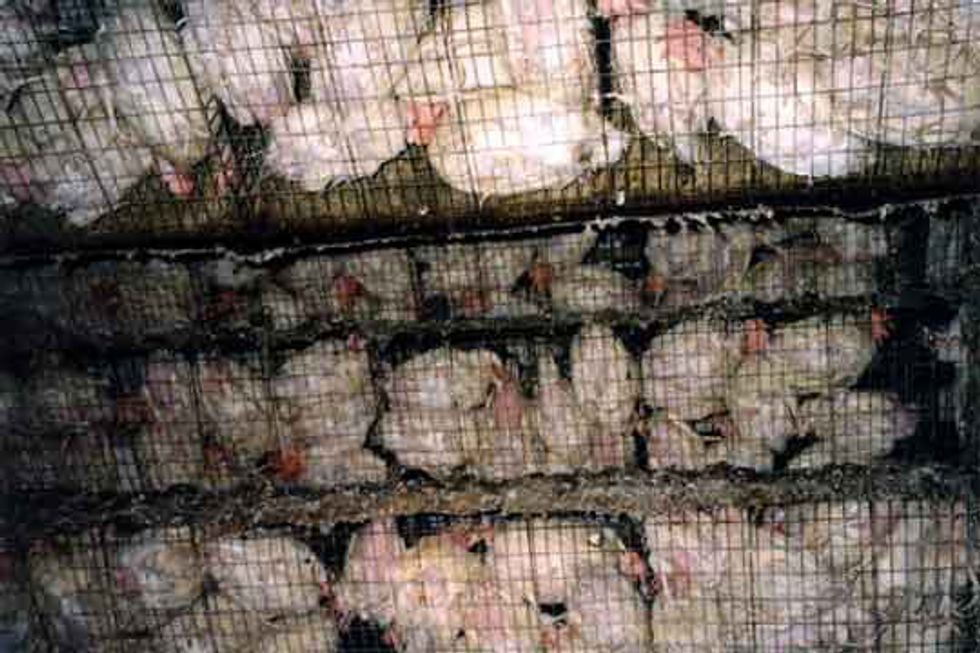
cows,
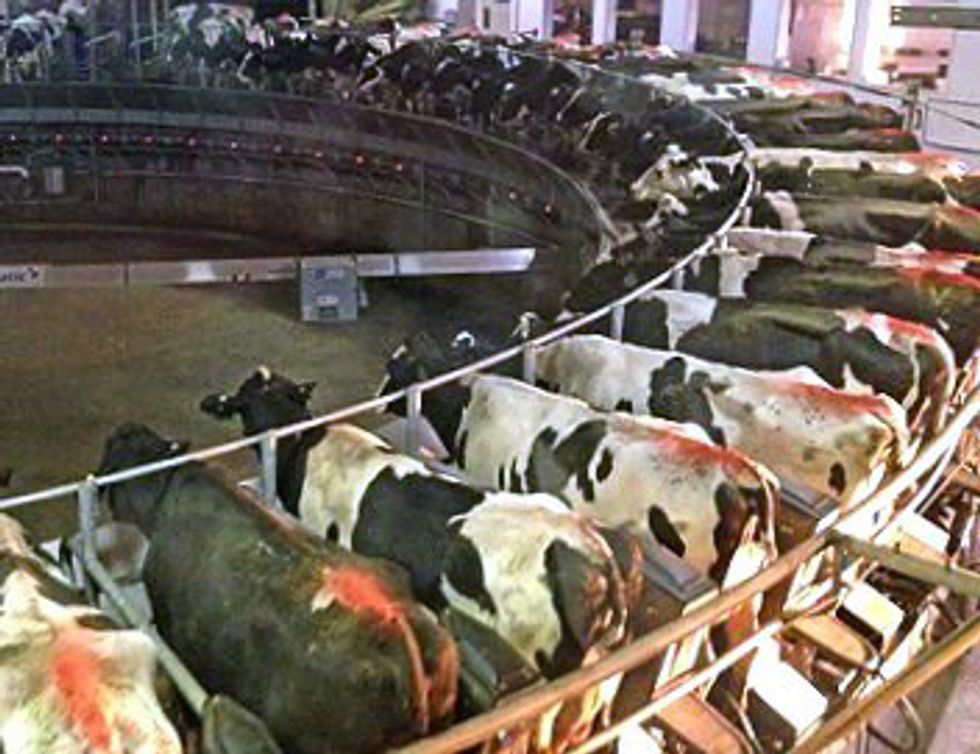
and pigs.
Believe it or not, meat can be negatively affecting your body as well. The World Health Organization, in conjunction with the International Agency for Research on Cancer, published a report a mere six weeks ago, stating from the evidence they compiled that red meat is probably carcinogenic to humans. First off, carcinogens are cancer-causing agents, and second off... probably? Yes, probably, as in not very definitive, the reason being the limited amount of evidence there is on red meats, specifically. Regarding processed meats, like bacon, hotdogs, bologna, salami, and corned beef, the report stated that, in fact, these meats do cause cancer, specifically colorectal cancer.
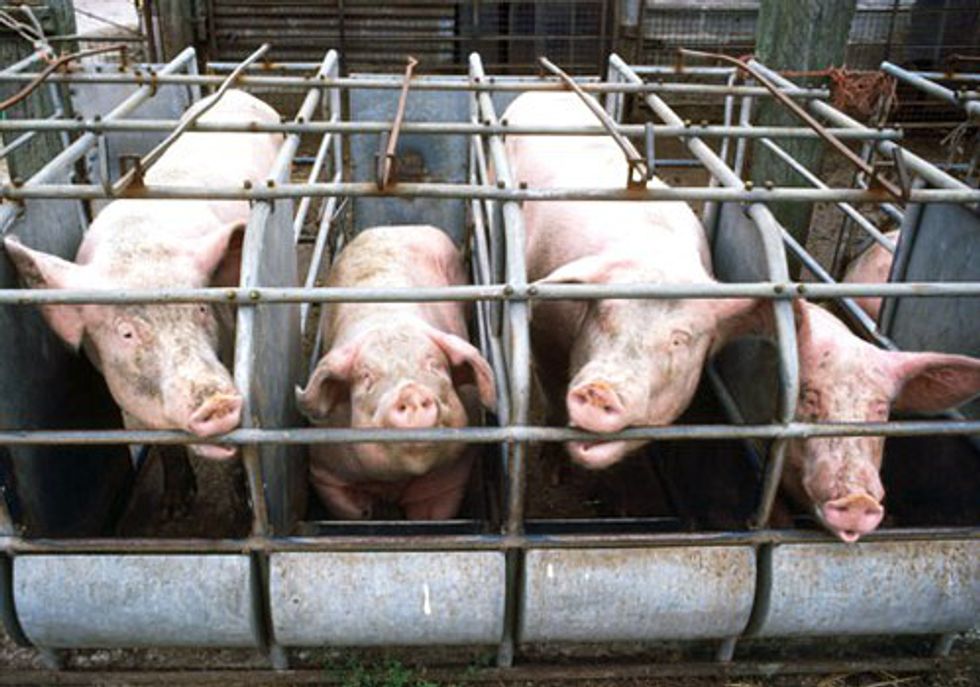
As for the treatment of these animals, PETA noted on their website the many inhumane practices that happen inside factory farms to sentient animals, or animals who are able to feel pain. Chickens are typically injected with harmful steroids, causing them to grow so large that their legs can't hold their weight, leaving them with two broken legs and nowhere to go. Pigs, one of the most intelligent animals on the planet, spend most of their lives in gestation crates with no room to move at all. Sounds comfy, eh? Cows also live depressing lives being separated from their mothers as soon as they are born and “male cattle have their testicles ripped out of their scrotums.” All for that soggy burger off the dollar menu.
Another topic looked past when in the conversation of meat are the environmental damages. The document titled, "Livestock's Long Shadow," from the Food and Animal Organization of the United Nations, noted that greenhouse gas emissions from animal agriculture totals more than all exhaust combined from all transportation. Crazy to think that your T-bone steak causes more harm to our planet than the gray smog coming out of your hunk of metal out in the driveway. Check out the eye-opening documentary, Cowspiracy, to see more on the devastating impacts animal agriculture has on our environment.
So we've got disease, death, and damages, a pretty morbid picture if you ask me. To understand these problems, we must look at the causes like the dramatic increase of meat intake from the past decades. An article published in U.S. News Health said that Dean Ornish, a Clinical Professor of Medicine at the University of California-San Francisco quoted “Americans are eating 57 pounds more meat than they were in 1950s. It’s not surprising why Americans are fatter than ever.” Making meat the main portion of the plate has been a growing trend in America, contrasting from years past where meat was seen as a delicacy and treat. With this constant increase of meat consumption, meat production in turn is also on the rise. With such a demand, more large factory farms have been created to pump out the high numbers of beef, pork, and chicken needed to support the thirsty carnivores that inhabit this world of ours.
Well, here is an idea: Stop consuming meat, a decision that is compassionate for many reasons and really not as hard as you think. Too drastic or too soon? That's okay, baby steps.

Meatless Mondays are a thing, kind of simplistic, maybe even a cop out if you're looking to actually correct the many issues mentioned before.
Weekday Vegetarian was a concept introduced to me on Netflix one night while watching Ted Talks for fun. By only eating meat on the weekends, you can be cutting 70 percent of your weekly meat intake and throwing it out the window! Once I implemented this into my life, the next step to cutting meat out of my diet was easy.
If the world drastically reduced their meat intake, suffering would dramatically decrease. Suffering caused either by cancer, animal abuse, or climate change. If each one of us stopped eating meat altogether, our lives along with future generations lives would be healthier and happier. Your colon and rectum might thank you later in life.
















