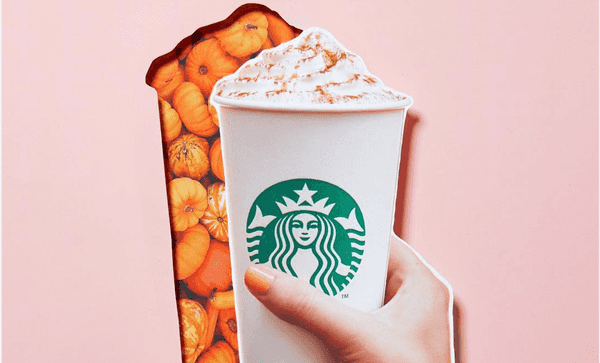
The first of November has been an unspoken holiday for millions of Americans as long as I can remember. This is the day we can remove those irritating, fake spider webs from our front lawns and turn another page on our calendars. This is the day that it becomes acceptable to trade in our pumpkin spice lattes for peppermint mochas.
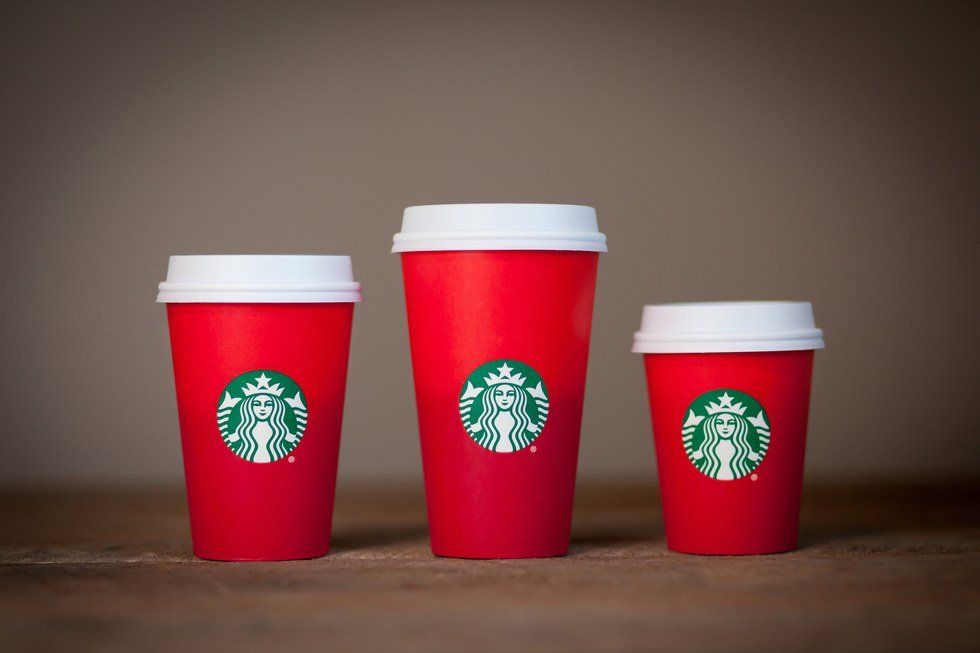
But this year was a little different. This holiday that I have been looking forward to as soon as the leaves began to fall has been bombarded with controversy. Starbucks introduced its holiday cup...and it's red ombré
. Christians everywhere have flocked to social media to boycott this decision, criticizing Starbucks for removing religion from its infamous drinks.Being the Starbucks fanatic that I am, I immediately searched for ways to defend the company's design (and my right to drink Gingerbread Lattes as a Christian) and I decided to dig into the past. I found that not only were Starbucks cups never explicitly religious, but that with the new design, Starbucks is highlighting an important issue surrounding this time period that Christians need to be aware of.
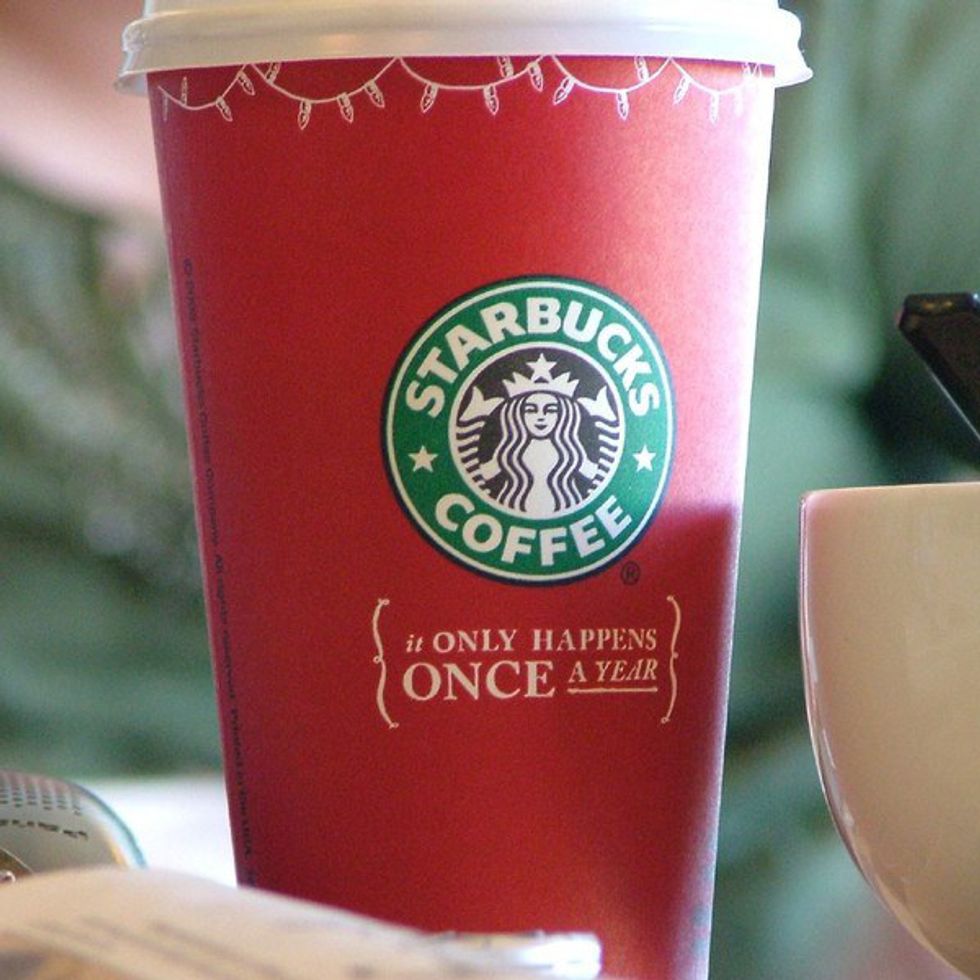
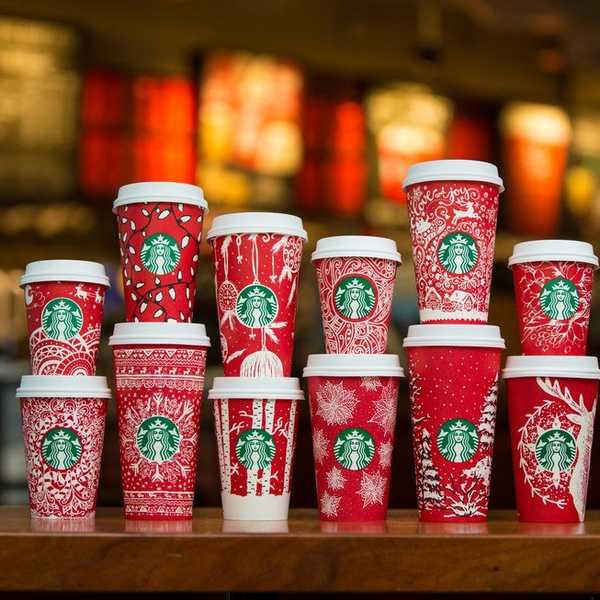
2005:
This cup was simple, it was direct and highlighted themes that can be viewed as universal. What happens once a year is kept vague to appeal to a wider audience and Christmas is not clearly insinuated.
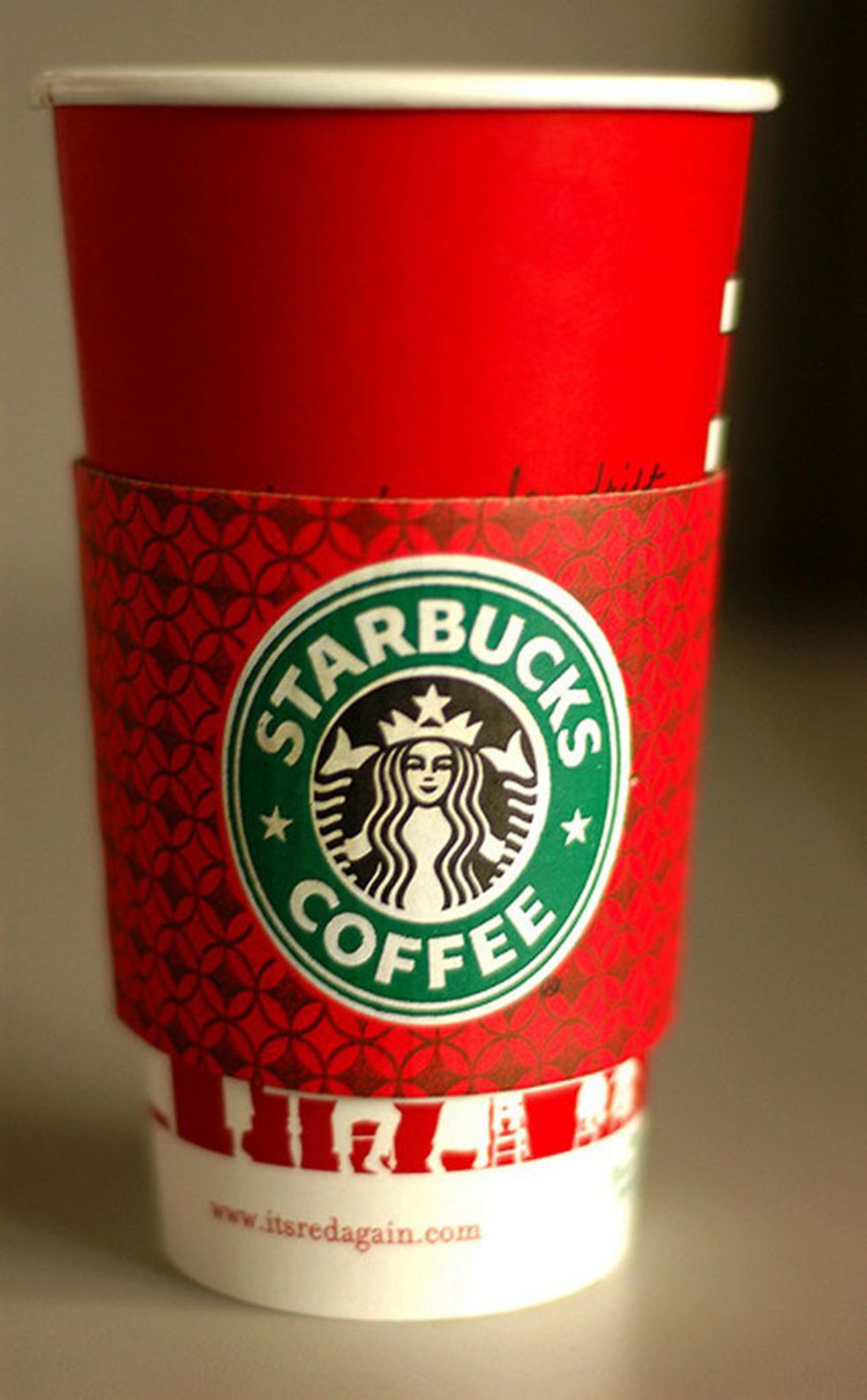
2006:
Probably my personal favorite, this cup portrayed activities surrounding the holiday rather than the reason for the season. Gift shoppers and ice skaters were seen as nostalgic and cute rather than becoming the center of controversy.
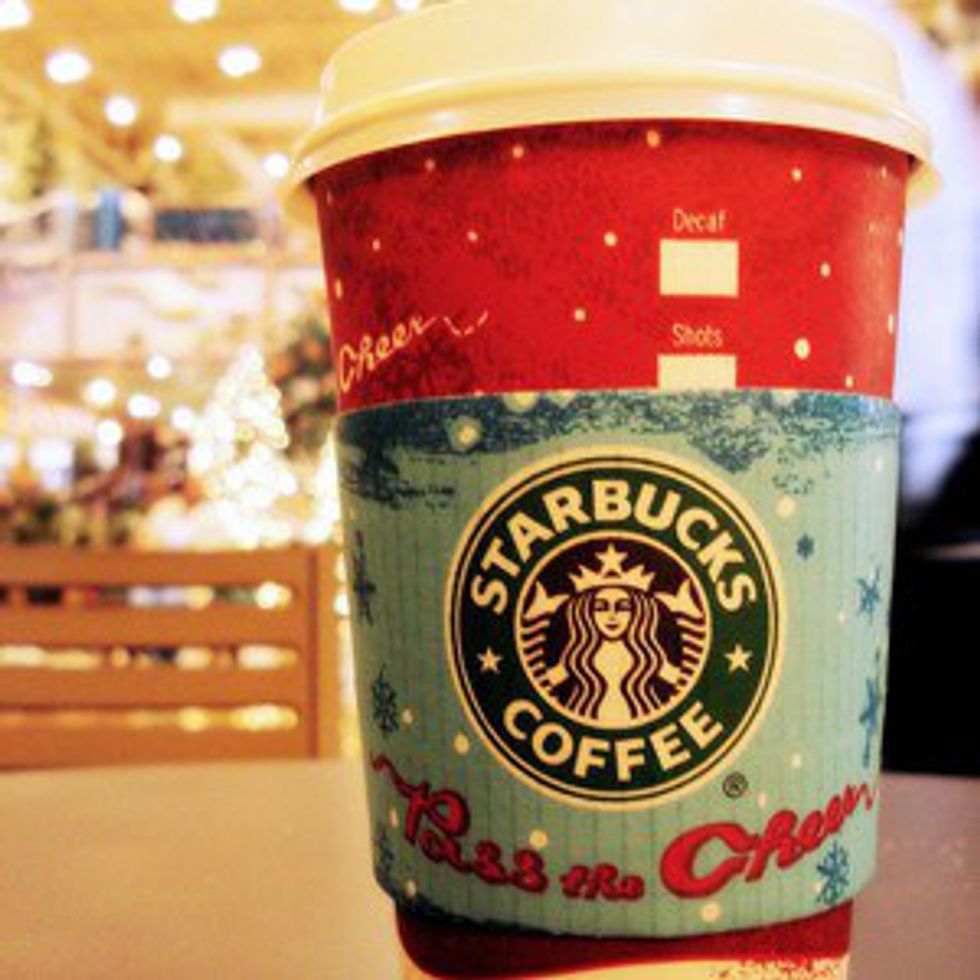
2007:
The theme this year was "Pass the Cheer." An idea almost everyone can stand behind, regardless of religion, because everyone seems to be a little more open, loving and giving during these holiday months.
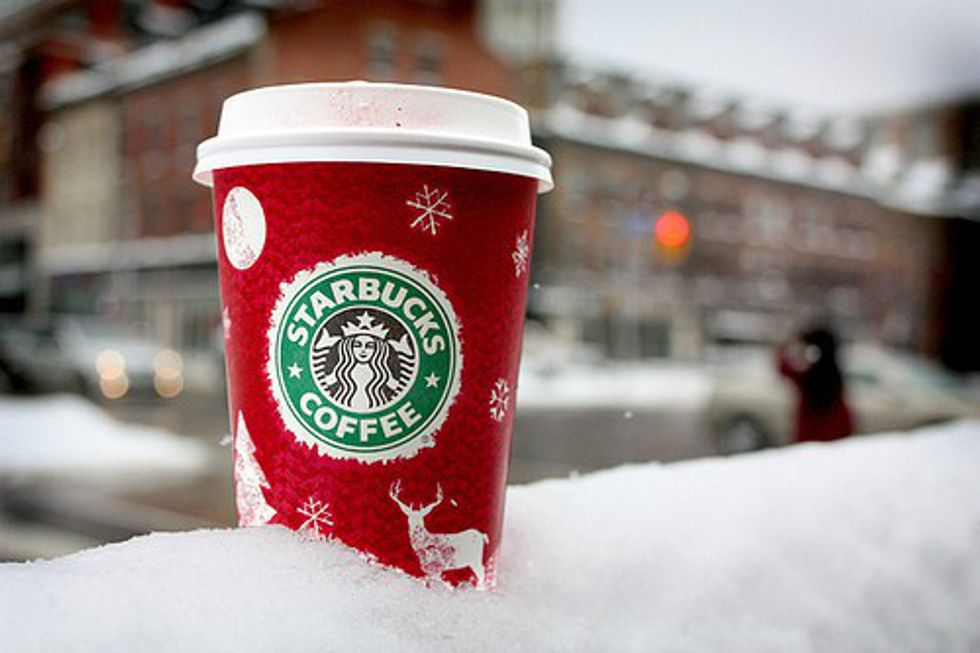
2008:
This design focused more on nature. Snowflakes, evergreens, and reindeer are not explicitly associated with Christmas, but with the winter months in general.
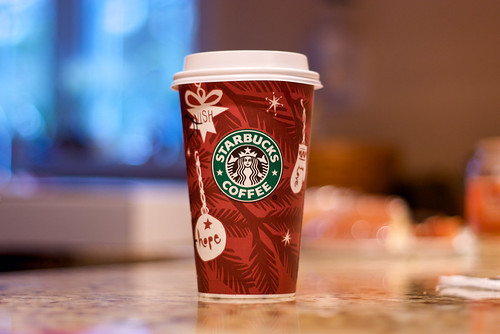
2009:
This was the year of the uplifting cup. The design featured generic, holiday words that spread positive themes to the public. Had Starbucks wanted these to be Christmas-inspired words, the cup would have been much different.

2010:
Starbucks continued with an encouraging holiday theme by imprinting holiday memories submitted by customers. These anecdotes were sweet, relatable, and did not revolve around religion. The cute holiday characters added to the theme.
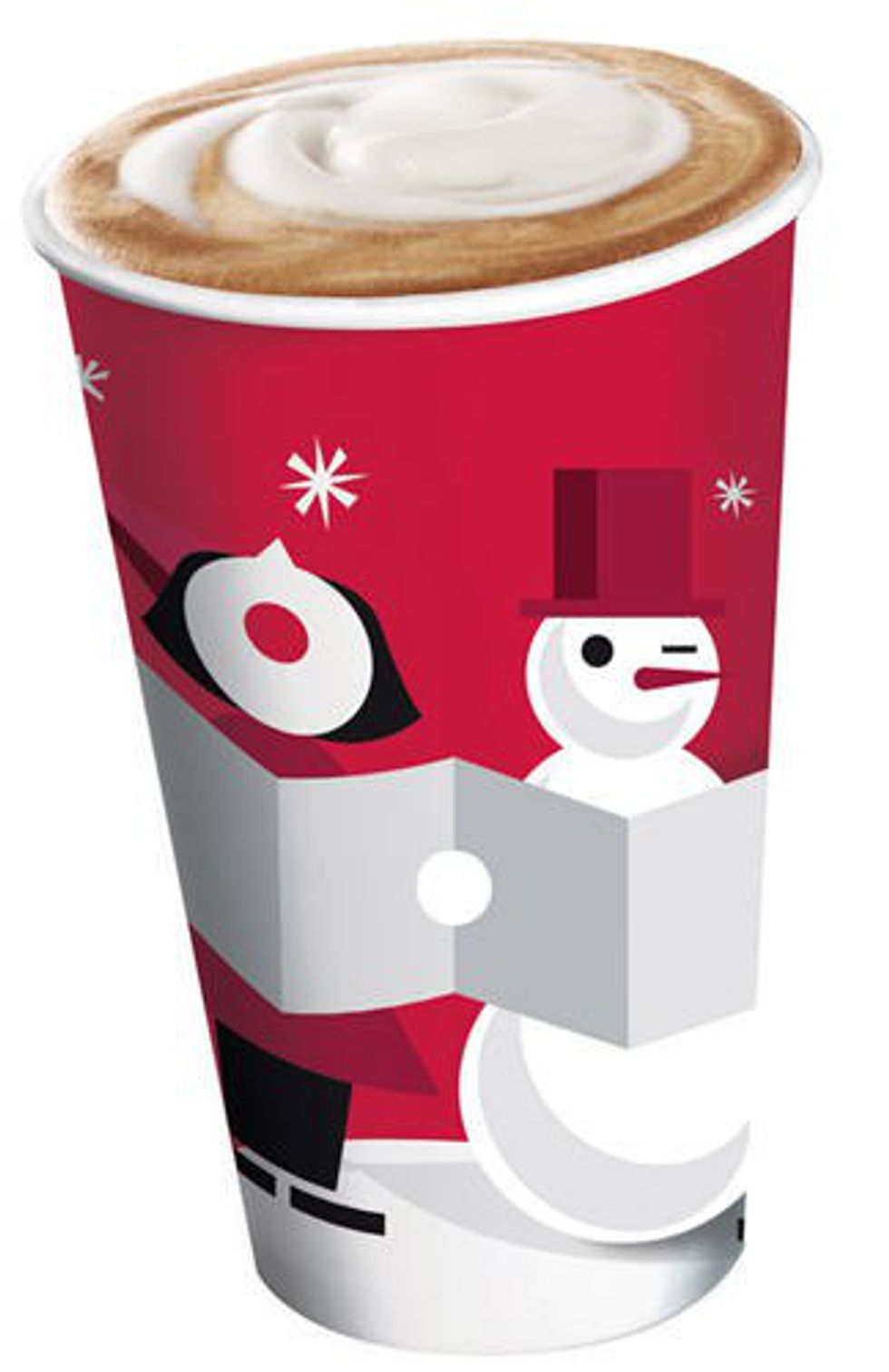
2011:
The same holiday characters incorporated in the year prior were now made the main focus of the cup. Yet these characters were universal, featuring snowmen and carolers, not something like angels or wise men.
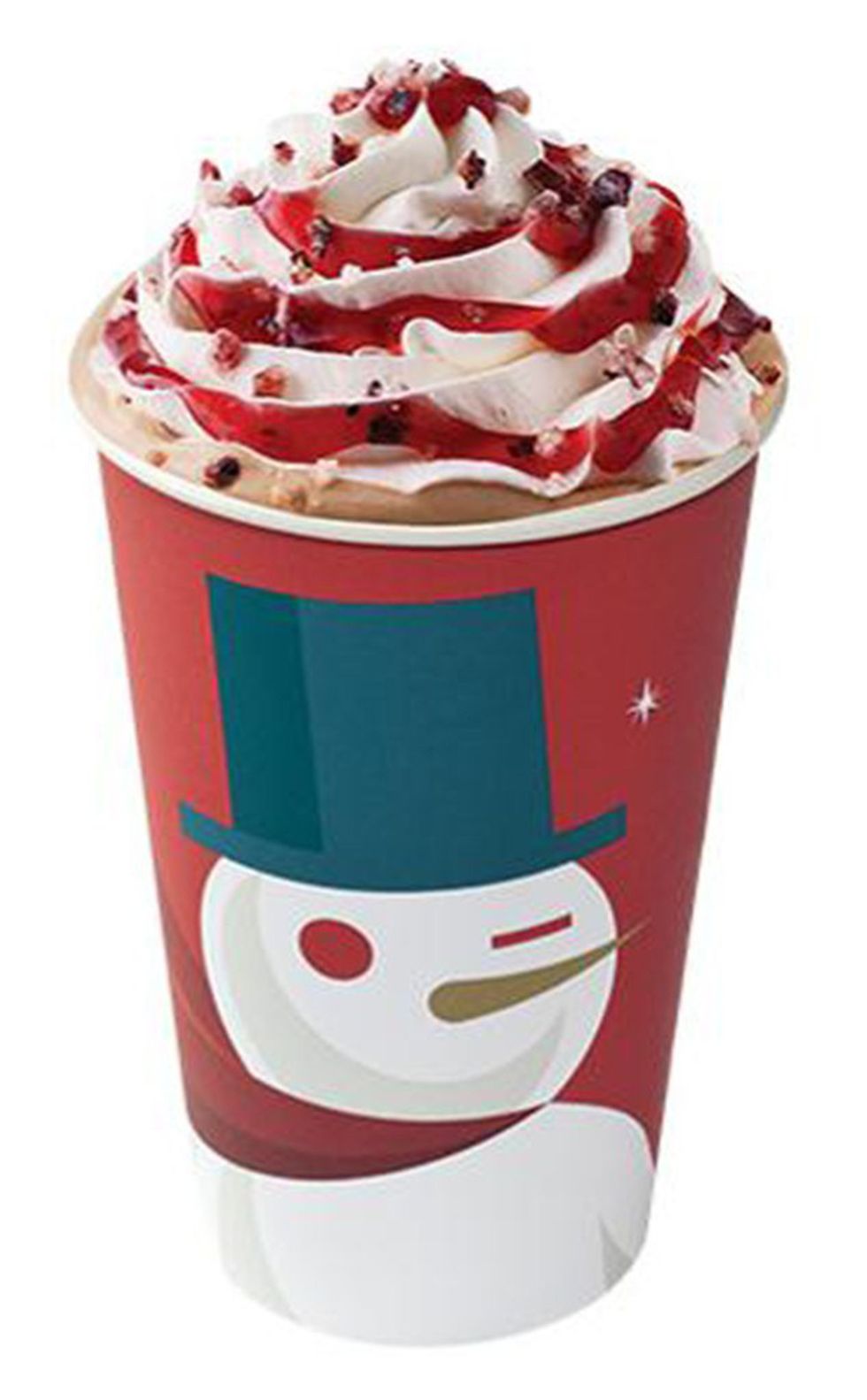
2012:
Becoming even more universal, the only character on this cup was the snowman. Bringing up old, childhood memories of fun in the snow, this cup was another tribute to winter in general rather than any holiday.
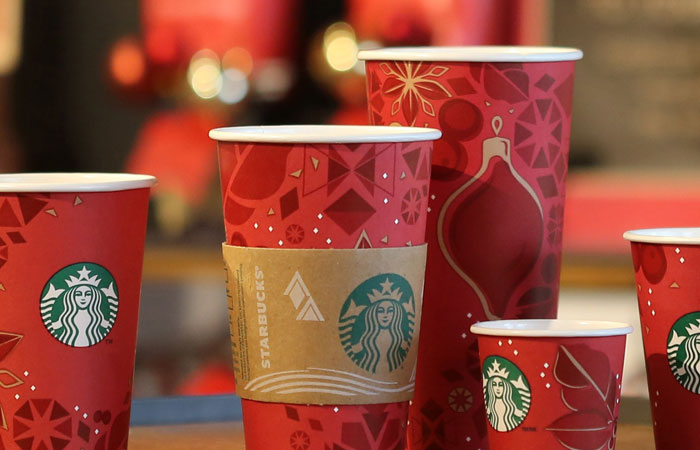
2013:
This was the year that began Starbuck's transition into red cups. The design was simple and elegant, mimicking holiday decorations, but staying true to a very fiery color palette. Nothing about this cup screamed "Christmas" but it still felt true to the season.
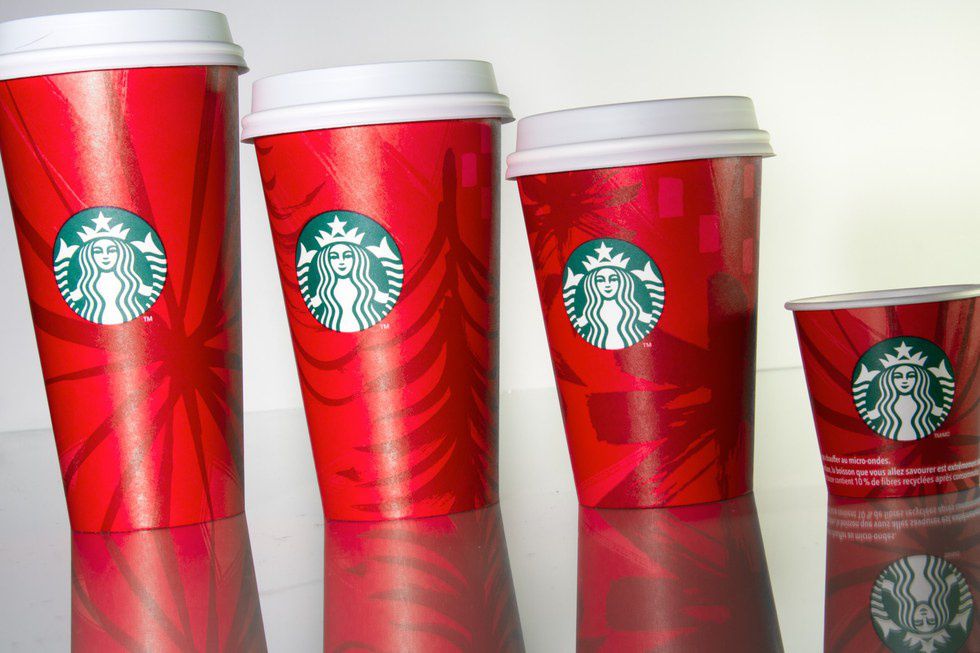
2014:
Lastly, we had the even redder cup design. Faint red evergreen trees and stars could be distinguished against a brighter shaded background.

2015:
Now, we have this year's cup, a simple transition from a dark red to a brighter red. But why is this causing so much distress among Christians? Starbucks has never explicitly been aiming their design towards Christmas or any religious aspects whatsoever, so why is this the cup that is angering the most people?
I cannot put myself in the shoes of everyone else and begin to try and find fault with this design, but I can mention a very Christian-theme related to this all-red cup.
Starbucks releases it's holiday drinks in November, which is clearly not the month for Christmas. We may feel the weather start changing, we may feel the urge to get a head start on our holiday shopping, and we may even listen to our Michael Bublé
Christmas album on the way to work (and Starbucks realizes you may want a Peppermint Mocha to go along with that), but November is the holiday for Thanksgiving.Thanksgiving is a time where everyone, Christian or not, can take the time to reflect on their past year and count their blessings. It's a time where we can thank the Lord, or whoever you choose to thank, for everything given to us. We get to spend time with the ones who support us the most and celebrate in each other's successes. We get to be thankful for everyone and everything in our lives.
So to put it simply, Starbucks is not removing religion from its cup. Starbucks is giving us a chance to slow down, to take time to enjoy Thanksgiving before jumping right into Christmas, and allowing us to enjoy our favorite seasonal drinks while doing it. The red cup signifies a change in the weather, but not the skipping of one holiday into the next. The red cup signifies warmth, love and a reason to be thankful.
So before you boycott Starbucks and before you ask them to write "Merry Christmas" on your cup, count the blessings in your life (and don't forget to include the many times your Gingerbread Lattes have gotten you through the day).