It's 6:45 a.m. on a Thursday, and my alarm blares the opening verse to a punk rock song I have heard countless times before. My room is dark, and my eyes hang so heavy that walking with my eyes closed actually feels easier. Even though I have woken at this time every morning this week and the weeks before, it never gets easier. Often times, my eyes will close again, and a second, third, maybe fourth alarm will sound. Sleeping through my alarm is an all-too-common mistake. With only four hours of sleep, though, this struggle doesn't come as a surprise. Falling asleep around 1 or 2 a.m. every night is normal for me and my brain. By the time 4 p.m. rolls around during the day, I am fully awake until late into the night (or early morning, depending on your interpretation). My roommate will say to me, “I don’t know how you do it. I really don’t.” My reply will always be, “Yeah, me neither.”
I have never been a morning person, and it turns out that is not my fault. Science has validated the notion that there are "morning people," "evening people" and those in between, and have begun to prove that our preferred, internal clocks—called a "chronotype"—are heavily influenced by our genes. The ironic part about me writing this article is that the clock is inching toward 2 a.m., and I should probably be going to sleep. But I can’t.
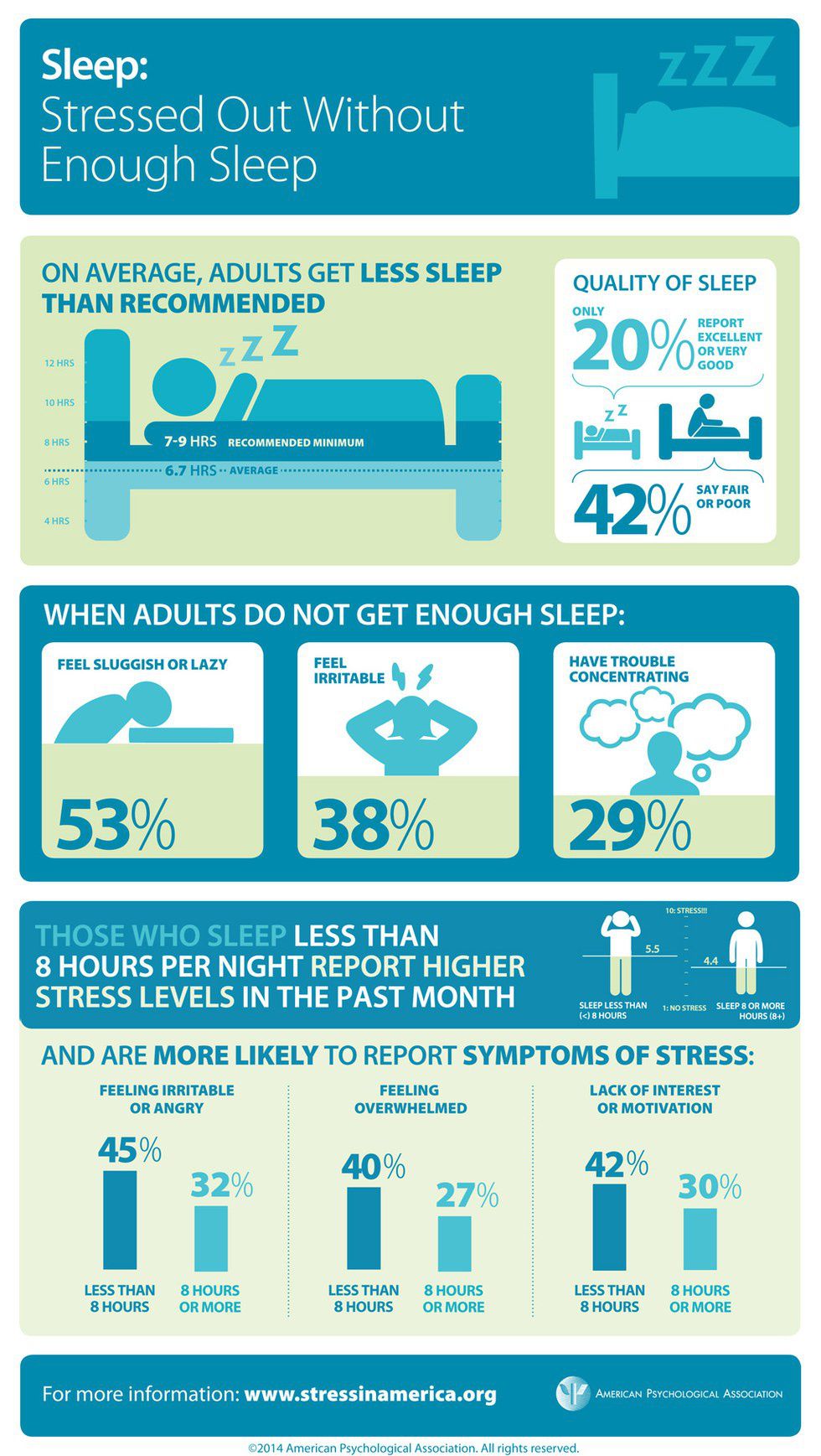
It’s not that easy for people like myself, and the other 0.2 percent of people who have “delayed sleep phase”—a disorder that sets internal clocks out of sync with the rest of the world. According to a recent report from Vox most people fall in the "middle of the chronotype bell curve," sleeping between the hours of 11 p.m. and 7 a.m., and others vary by an hour or so. We all have a chronotype, it's just that for some the cycle of sleep is shifted a few hours earlier or later. Research has started to show that when people's internal clocks are mismatched with the rest of the world's, their health can start to suffer. Even worse, this problematic mismatch of sleep could be extremely difficult, if not impossible, to fix. “The hypothesis here isn’t that chronotype inherently causes these negative outcomes, but rather that a mismatched chronotype and daily schedule do,” the article explained. There have been links to heart disease, obesity and depression. This mismatch of time usually results in a severe lack of sleep, sleep deprivation is linked to almost every major part of our health: our memory, our immune systems, our eating habits and our mood. Sleep is an unavoidable, vital human function that allows our bodies and minds to rest and work properly. Some people naturally don’t need as much sleep as others, which is most likely genetic, as well. However, research has shown that most Americans would be happier, healthier and safer if they slept an extra 60 to 90 minutes per night. Only 20 percent of adults say the quality of their sleep is very good or excellent, according to the American Psychological Association, and adults who sleep fewer than eight hours a night also report higher levels of stress than adults who sleep eight hours a night or more.
All of this research had me thinking, Wait, is this an actual problem that I wouldn’t be able to control? As I sit in my living room writing this, watching the clock get later and later, I feel frustrated. Will I ever be a morning person? Maybe not. It is slightly comforting to know that my inability to go to sleep early and wake up early is not fully in my control, but it is discouraging to think that this problem has the possibility of not changing, at least for a while.
Besides the real health risks that come with lack of sleep, there many stigmas and assumptions about late-sleepers, like being heavy partiers, drinkers, socializers, Netflix-bingers and so on. The world favors early-risers, and it is crafted around the 9 to 5 schedule in almost every way. People tend to think less of people who can not follow a “basic schedule.” But what if that schedule is not so basic for some people? If I slept at the times my body naturally wants to, the length of my day would be cut in half compared to the majority of people who rise out of bed before noon. In the sleepy city of Boston, public transportation stops at midnight, and some stores close as early as 6 p.m., leaving people who do sleep in to rush throughout the day to get things done. As common sense would suggest, people should be working when they feel most alert and productive.
According to Vox, the term for being out of sync is called "social jet lag"—a term I think successfully encompasses how it feels to have delayed sleep. It is a feeling about which I have personally felt embarrassed. My hectic sleep pattern is something I have avoided taking seriously, and I have openly joked about it when talking about with my peers and friends. For example, the times when I need to get up and walk to the bathroom or outside during work or class just to keep myself awake in the morning. Or the times when my sleep has been lacking severely for weeks (or months) and I'll take a five-minute nap in the bathroom or sneakily rest my eyes at my desk to re-energize. It sounds silly, but this is real. The thought of sleeping in on the weekends is what keeps this pattern going. However, that usually makes it more difficult to wake up again on Mondays.
So, what are we late-risers supposed to do if less than one percent—one out of 500—of adults are on a delayed sleep pattern? Do we force ourselves to conform? Or do we accommodate to our bodies? As the article states, following our bodies is ideal.
If you are part of the 0.2 percent of delayed sleepers that exist in the world, then, unless the world start becoming more accommodating to our body clocks, we have some work to do. Since our internal clocks are in our genes, changing our sleep patterns could be extremely difficult. Body clocks tend to shift earlier as we age, so that offers me a glimmer of hope. Light sensitivity—by the heavy and prolonged use of technology—is also a factor in why this problem occurs. A combination of "light therapy and melatonin" is a way patients are often treated, along with "chronotherapy," but the difficulty sticking to these treatments can deter people from trying. If you feel your sleep pattern getting worse or that it is affecting your health, talk to your doctor or see a sleep specialist.
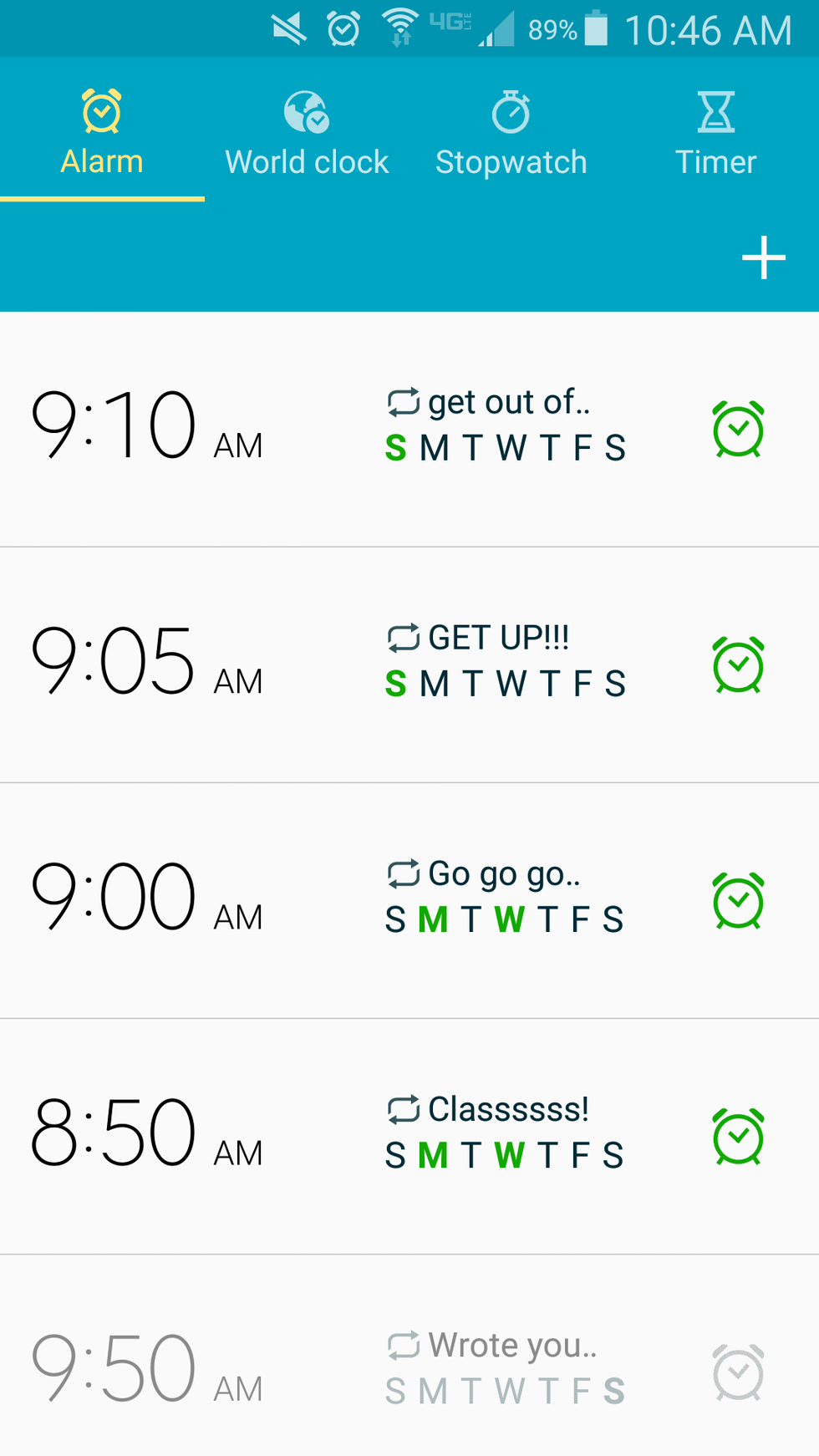
This is an area of my life I have never written about, thought too critically on, or thought of as my "genetic makeup." I have tried to change my sleep habits my whole life and have always written it off as a personal flaw (seriously, even my New Year’s Resolutions have included “get more sleep,” or “go to bed a normal hour”). I have shown up late for jobs, classes, appointments, brunch dates and many other morning-related commitments. It is slightly comforting to know that I am not alone in this problem, however late-sleepers like myself are still faced with the harsh dilemma of choosing between our natural clocks and our alarm clocks. Since there is not an easy answer just yet, the best thing that can be done is to listen to our bodies as much as we can and find what works best. This could mean anything from working a night shift instead of morning shift, avoiding stimulants like coffee and alcohol, shutting off laptops and phones at night, or it could mean setting eight alarms to get up in the morning. No matter what works or doesn’t work, the most important thing is to not let yourself get discouraged, ashamed or embarrassed over your preferred sleep time (hey, delayed sleepers, let’s hang out!) Look toward the positives aspects of being a Night Owl and find the support you need to stay healthy.