How do you make your consumer decisions? Which type of jeans do you buy at the mall? Do you get the straight leg, the tight fit, or the relaxed fit? Do you wonder if the straight leg would’ve been a better choice after getting the tight fit? Sure you can always take them back, but then you have to decide whether to get a different pair or to get cash back. What about your love life, who do you choose to date? Where do you go out to dinner? We live in a society where we have to make choice, after choice, after choice. It’s a good thing though, right? If you had to choose, would you guess it’s a good thing or a bad thing?
Today, everything is marketed to us as being the "best" option and we, the consumer, have to decide who is telling the truth. The best car with the newest technology, the best jeans with the softest denim and the best cell phone with the newest features. Barry Schwartz says that when we make a decision we all take on something called an ‘opportunity cost’. That is, when we make a decision to choose the tight fit pants over the straight or relaxed fit, we weigh the negative sides of the tight fit that we choose against the positive aspects of the other pants that we didn’t choose. We constantly think things like, “This pair of pants has small pockets and the other one had big pockets. What if I had that pair?”
This leads to an escalation of expectations, where we constantly hope that our decision is the ‘right’ decision or that we're going in the right direction. Basically: when we have all these different options available we will constantly be thinking about the one thing we didn’t choose to buy or do, even after we have made a decision that might have been amazing. For example: when you pick a show on Netflix you most likely pick it based on a category, who the actors are in the film, and how many stars it has. Every decision has many contributing factors. In the United States, Netflix has over 2,000 movie titles that you can chose from, and an insane amount of categories that they order them in. Categories that include movies based on books, feel-good comedies, or even opposites-attract comedies. The list is limitless, unless you want to see Limitless, in which case they don’t have that movie available to stream. How long does it take you to weed through all these categories? How many times have you started watching a show or movie only to stop it and look for something better?
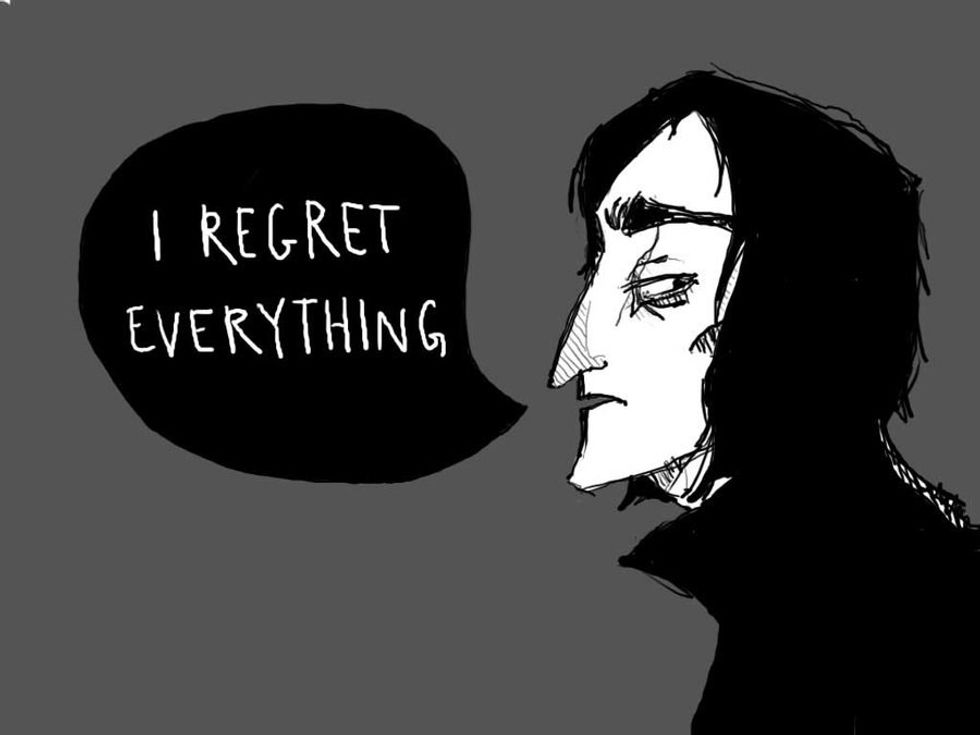
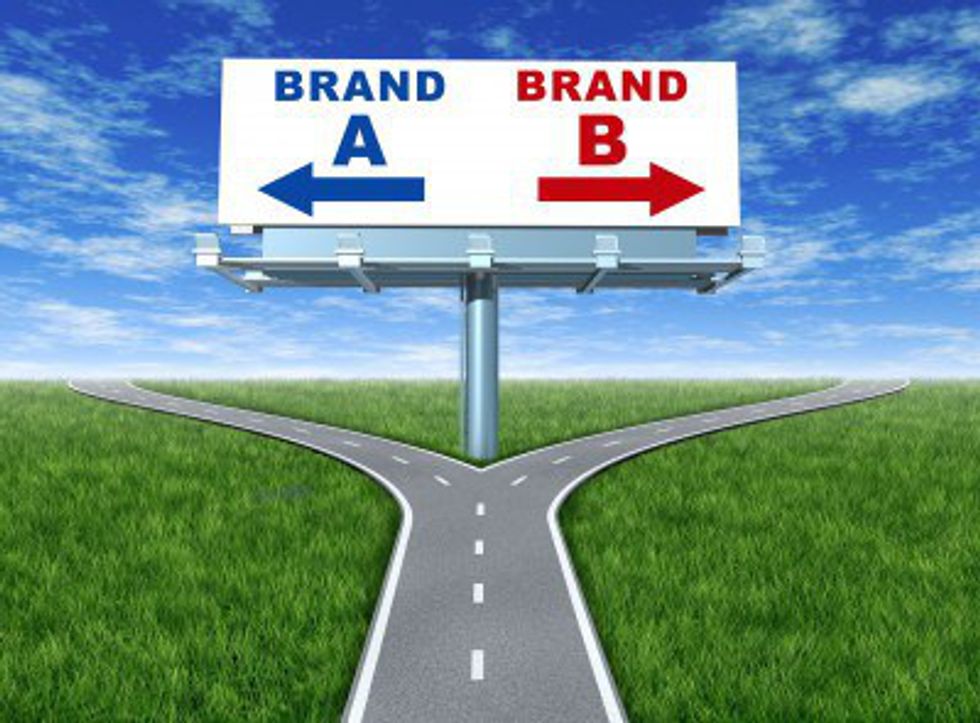
Who is to blame when we pick a product that we’re not happy with? Schwartz says that this constant self-blaming and comparison can lead to feelings of depression and anxiety. The main thing I think this causes me, is stress and anxiety. I don’t know how many times I have been torn between deciding between brands or even where to go out to eat. For example: how am I to know if the Kroger brand popcorn is better or worse than the Orville Redenbacher's? Orville’s brand is more expensive and it’s more famous, so it's better, right? Well, spoiler alert, Kroger brand has the better taste for the better price.
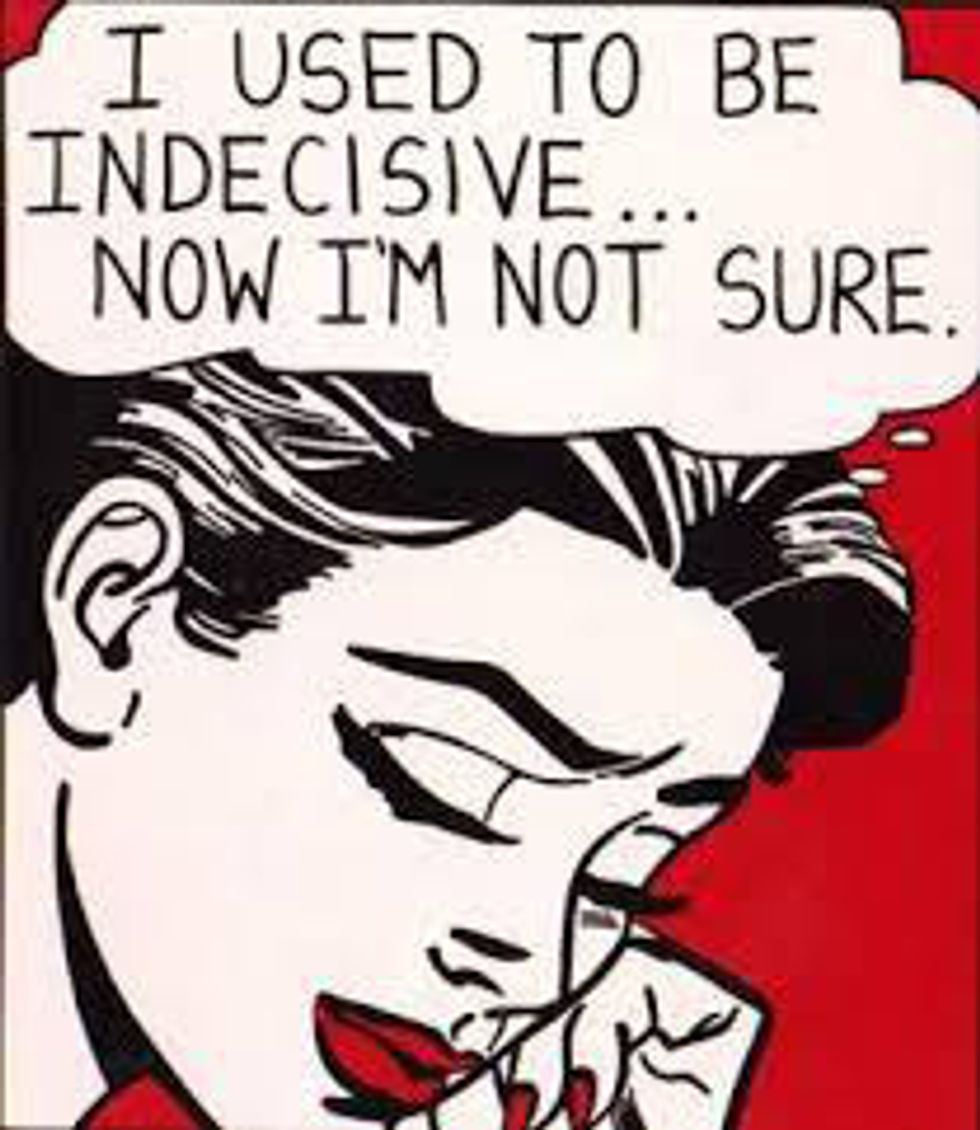
I’m not saying that the abundance of options is a bad thing or even really a great thing. For the choice of where I stand on that, I think its somewhere between good and bad. The abundance of choices can cause regret of the choices we make; they cause us to expect the thing we choose to be perfect in comparison to what we didn’t choose; and finally they cause us to hold ourselves accountable for choosing the ‘bad’ product. I think this final point is the only bad part of the consumer society that we live in. We take the downfalls of the products that we buy personally, even if we don’t actively think we do. I'm talking about the ‘kicking yourself’ that you do for buying the pair of pants that you don’t like, and that now you have to take all the way back to the store to return (or exchange); it isn’t your fault. It is a result of the abundance of choices that you have been given and how we have been programmed to think.

The secret to happiness is low expectations. Having
fewer choices seems like it could be a possible fix, but that isn’t something that
is likely to happen anytime soon. Expect less out of your products, expect
imperfection, and be happy with what you have instead of striving for the best
product. This doesn’t even apply to just products - it applies to everything in
life. That person you’re dating might be bad at communicating, that car you have is going to
break down, and that phone you have will eventually be dropped and it will
crack. Perfection isn’t possible, but happiness is possible. Try to be the best
person you can be to others on a daily basis, instead of trying to buy the best
things. This isn’t to say that you shouldn’t strive for greatness; but rather
you should strive for greatness and happiness, and that those things will come with a certain state of
mind.