Should Caitlyn Jenner walk into the Trump Tower in New York City, she would be welcome to use whatever bathroom she’d like. But should she walk into any restroom in the State of North Carolina if the state’s anti-discrimination-banning bill is passed, she would immediately be breaking the law.
Last Wednesday, April 20, the North Carolina legislature endorsed a bill that prevents people from using bathrooms and locker rooms that are not intended for the sex listed on their birth certificates. There was unanimous support from the NC Republicans; Democratic Senators protested, quite literally walking out.
For the first time ever, we as a country are talking about this right on a daily basis—one that most people take for granted. Celebrities and politicians rarely speak of “peeing in peace” publicly, and the topic has been as taboo as talking about transgender and LGBTQ+ rights used to be. The majority of the country has followed the “live and let live” policy. Donald Trump endorses this stance, Hillary Clinton has backed it through her larger platform of “equality.” This dilemma has, in theory, been self-correcting.
Until now.
The proposals for discriminating bills proposed in states such Georgia and the aforementioned North Carolina have unearthed a problem: while choosing which single-sex bathroom is not a significant decision made by most people on a daily basis, it does affect those who do not feel comfortable using either male or female bathrooms. This forgotten party is more significant than initially recognized, and institutions such as the Whitney Museum of American Art, the University of California system, and the White House have rapidly tried to amend their policies to remain as inclusive and comfortable as possible.
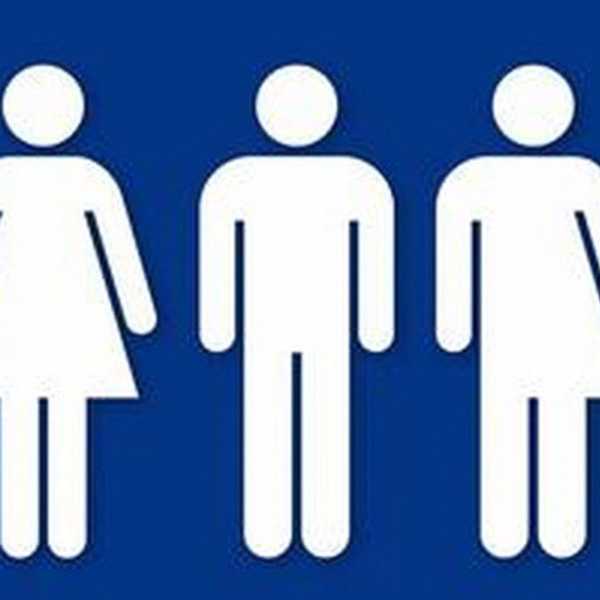
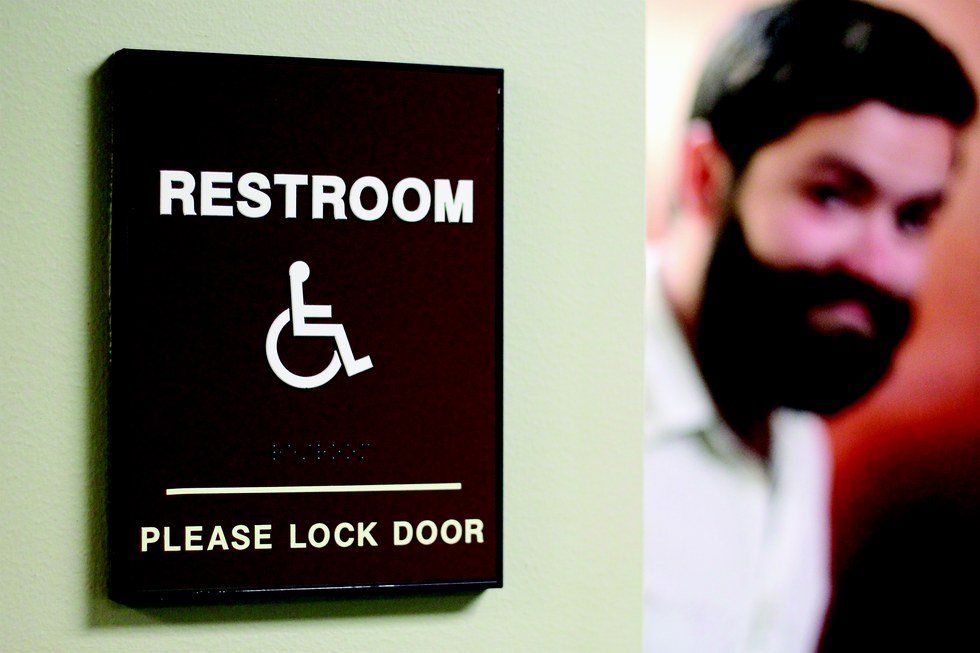
Apps such as Refuge Restrooms and Pee in Peace and resources such as Philadelphia’s Gotta Go Guide inform those who feel more comfortable using gender inclusive restrooms where they are available. A myriad of signs have begun being used to identify bathrooms that do not conform. People are displaying interest in the subject and are beginning serious discussions about how the country should handle the LGBTQ+ community’s wishes while still maintaining comfort for those who identify as the sex they were assigned at birth.
In Frederick, Maryland, Ted Cruz asked his supporters at a rally if they believed the country was becoming too liberal in allowing those who identify as men to use women’s restrooms and vice versa. “Have we gone stark raving nuts?"
If “nuts” is the term used to describe gender inclusivity in public restrooms, then perhaps America is well on its way. While Reuters reported this month that 47% of their sample felt that people should use restrooms that correspond with their biological sex, this is an increase in support from a CBS News poll conducted in 2014 that revealed on 59% felt that way. The public’s stance on this issue seems to change daily. The civil rights movement has long ignored the bathroom, but Americans seem to finally care in a significant way about their right to pee in peace.