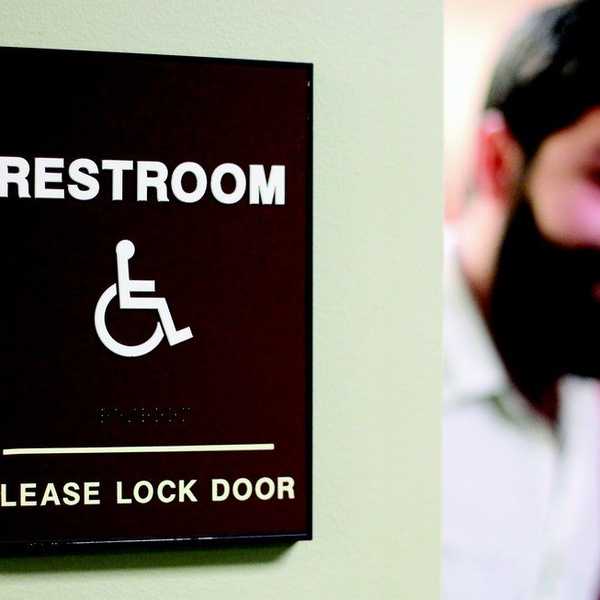

Around two weeks ago, my Facebook and Twitter feeds exploded with pictures of the retail-giant Target—personally one of my favorite stores. The headlines underneath all of the images included words like "boycott" or "against." Target, a normally quiet corporation, was being blasted all over social media pages. I stopped to wonder what the corporation could have possibly done to attract all of this negative attention. Then I learned that Target changed their rules regarding the usage of their public restrooms and fitting rooms.
On April 19, the Target corporation responded to recently proposed state laws centering on the idea of inclusivity. By definition, inclusivity is, in Target's case, a policy preventing the exclusion of any shoppers on the grounds of gender, race, class, sexuality and more. The Target corporation takes inclusivity seriously, celebrating those who are different. As an extra step to promote their stance, Target welcomed their transgender employees and customers to use the restroom and fitting room facilities that correspond with their gender identity, as opposed to the gender listed on their birth certificate. This statement caused the social uproar.
Unfortunately, there are two sides to every story.
On one end, the Target corporation considered its company's values and stood up for a sexual minority, the transgender community. Target expressed its values and took a daring step forward into a controversial pool, hoping to be a leader. The Target corporation understands the struggles a transgender individual may face in daily life, and they have done their best to try to accommodate their customers' wants and needs. Target's restrooms and fitting rooms have become safe spaces for those identifying as a sexual minority.
Unfortunately, on the other end, some frequent Target shoppers are outraged. Over one million people have signed a petition to boycott the retail-giant, disgusted by its recent actions. These individuals are afraid of straight men, women and pedophiles misusing the privilege. They fear for themselves and their families when using gender-identity restrooms. And for some people, they simply disagree with Target's decision. They refuse to shop at Target not because they are afraid, but because their ideals do not match Target's inclusive values.
To disagree with Target's decision is okay, but to hate is far from acceptable. Of course there is the potential for anyone to misuse the privilege, but pedophiles and dangerous people can be found almost anywhere, not just in gender identity restrooms and fitting rooms. In addition, Target's facilities are closely monitored and well-kept in order to prevent any incidents. The Target corporation aims to make their customers feel welcomed and safe, not fearful and violated. As Target strives to include everyone, over one million people have turned away from the company.
In the Civil Rights Movement of the 1950s and 1960s, black and white individuals used separate restrooms and public facilities. And now, in 2016, the debate is challenged yet again. Will individuals who identify as a sexual minority be able to use the public facilities of the gender they identify with? Or will the Target corporation's inclusive values backfire? Only time will tell, I suppose.