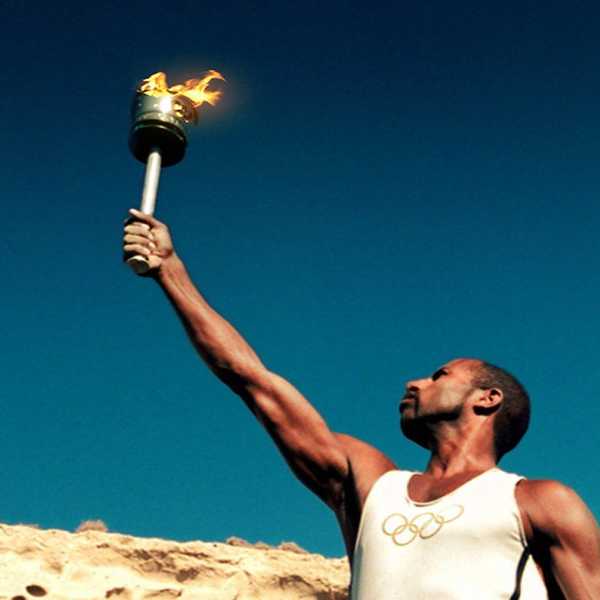
Every two years, the world comes together for something good. Something that celebrates individual cultures and nationalities. Something that unveils countless underdog stories. Something that shows the strength, courage, and tenacity of so many individuals. We come together for the Olympics.
While the Olympics have always been popular, the technological age has allowed for more in-depth coverage of the Olympics to be broadcast worldwide. Three billion people were expected to tune in to Rio’s Opening Ceremony (data is not yet available showing the actual number of viewers). That’s only for one night, not to mention the millions of viewers that are expected to tune in during various events. Basically, a lot of people watch the Olympics.
However, such an increase in viewers also brings with it an increase in criticism. This year, Rio has been faced with no shortage of its own criticism. Many view the city as unfit to host such a large event, especially following health concerns related to the Zika virus and bacteria in the water. There have also been accusations that the Brazilian government has treated citizens living in the poor neighborhoods of Rio inhumanely by denying adequate food, water, and/or shelter and instead putting most money towards the Olympics. While these concerns are valid for these specific games, they stem from a greater argument which questions the necessity of the Olympics.
Monetarily, the Olympics do not make sense. There really isn’t any evidence that shows a host city, or country, making excessive profits from the games. The Rio Olympics are expected to cost a staggering $12 billion. While this money comes from a variety of sources, the host country does carry the heaviest burden monetarily. Even though it’s hard to fight the facts, there are options to lessen the cost of the Olympics. Rather than spend millions of dollars tearing down buildings and building new facilities, host cities can convert already existing buildings and facilities to house Olympic events.
To prevent isolating poor communities, host cities can also implement outreach programs in such communities and train the citizens living there to help work various jobs associated with the Olympics. This would not only allow poorer communities to build themselves up but it would also ensure that all citizens in the host city receive benefits from the Olympics.
The last, most drastic solution I can suggest for the Olympics is to have permanent host cities for both the summer and winter Olympics. The summer Olympics, for example, could be held in Athens, Greece, the original host city of the Olympics. This would also allow for Greece, which has been in economic decline since 2009, to end their recession and boost the economy. While this would require a large sum of money up front, after a certain number of games, the Olympics would pay for themselves and then allow Greece to prosper.
Regardless of how or if the International Olympic Committee chooses to fix monetary issues with the games, one thing remains the same; the Olympics are essential to us as humans. I don’t want this to be sappy and sentimental (too late?) but they really do help us all. For two weeks, nations unite under a common goal. Rather than seeing politicians argue, people can watch teammates hugging in triumph. Rather than seeing the death toll rise from a terrorist attack, people can see their nation’s medal count rise. Rather than watching Syrian refugees swim across the Mediterranean in search of safety, people can watch Yusra Mardini swim the 100 butterfly. The world really does seem a bit more put together during the Olympics, and those two weeks of peace and friendly competition are priceless.