
What if I told you that there was a hidden industry that was the root cause of climate change? What if I told you that the carbon dioxide emissions of all transportation combined (cars, planes, trains, etc.) didn’t hold a flame to the damage caused by this industry? What if I told you that there is an industry destroying the Amazon Rainforest and killing wildlife, and that hundreds of activists have been killed when they speak out against it? What if I told you that major environmental organizations such as Greenpeace, the Sierra Club, and Oceana don’t speak out against this industry in fear of losing funding?
What if I told you that this industry was killing both the planet and us? What if I told you more than 90 percent of Americans support this industry every day, three times a day? What if?
Here are the facts (most of which were generated from the documentary "Cowspiracy"):
Animal agriculture
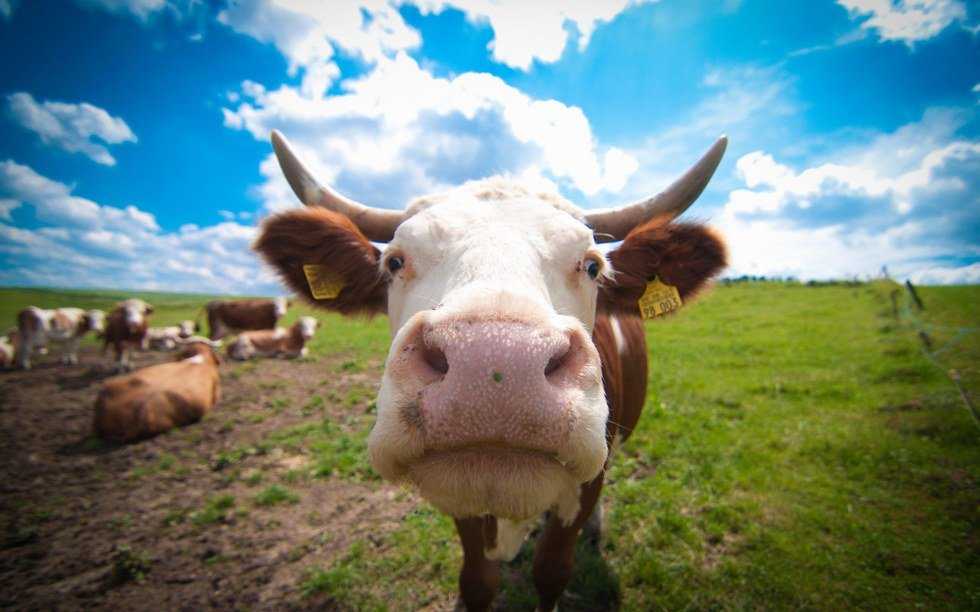
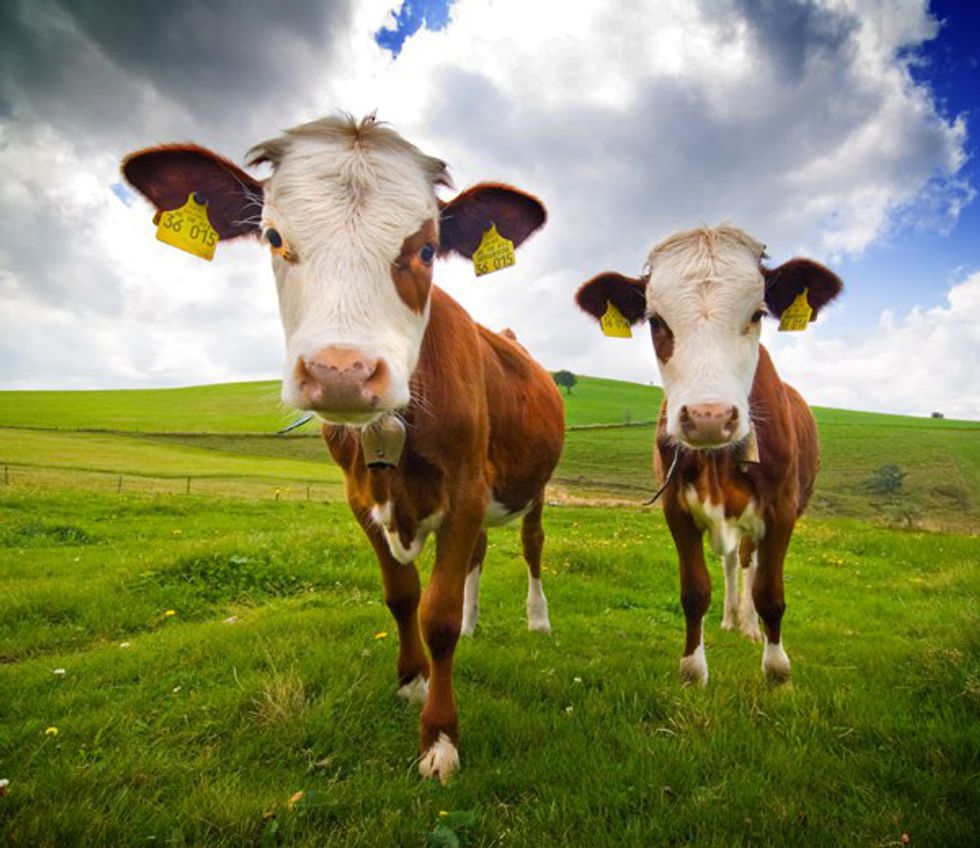
Animal agriculture is the number-one cause of climate change, accountable for more than 51 percent of fossil fuel emissions, according to two environmental specialists at the World Bank Group. According to the UN, raising cattle alone accounts for more greenhouse gas emissions than the transportation sector, meaning all cars, trucks, trains, boats, and planes combined. Plus, the methane gas produced by cattle is 86 times more destructive than carbon dioxide from vehicles. Raising cattle is also the leading cause of resource consumption and environmental degradation destroying the planet today. In the U.S., raising livestock requires 34 trillion gallons of water a year due to the water-intensive grains eaten by the animals. One ¼-pound hamburger requires over 660 gallons of water to produce, the equivalent of showering for two entire months.
Why aren’t people speaking out?
Raising animals for food is responsible for 30 percent of the world’s water consumption, occupies 45 percent of Earth’s land, is responsible for up to 91 percent of Brazilian Rainforest destruction, and is the number-one cause of ocean “dead zones,” habitat destruction, and species extinction. Yet, environmental groups do not have animal agriculture as their main focus so that they don’t lose members or sponsors. They want to maximize their contributors, and if they start to challenge Americans on their everyday habits, it will hurt their fundraising. Americans love their meat and dairy, and don’t want to be inconvenienced by the dying planet.
The oceans
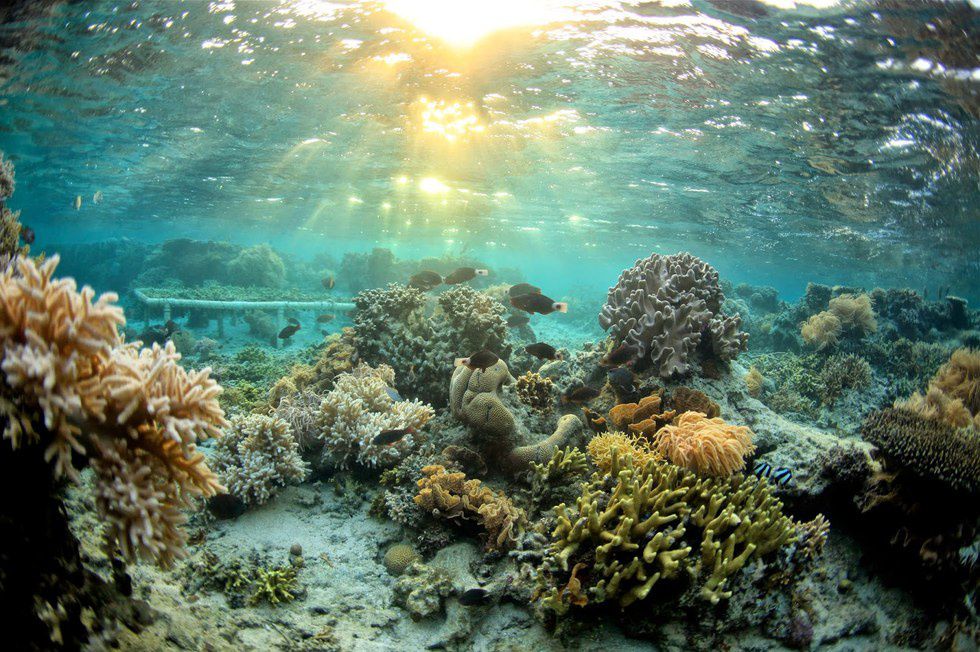
The UN reported that three-fourths of the ocean’s fisheries are overexploited, fully exploited, or significantly depleted due to overfishing. The oceans are in collapse. If the world does not act quickly enough, scientists predict that we’re going to see fishless oceans by 2048.
A hungry planet
Fifty percent of the grain grown in the world is fed to livestock animals while nearly one billion people on this planet are starving. We could adequately feed every person on this planet if the feed that was given to livestock animals was actually turned into food for humans.
Animals under threat
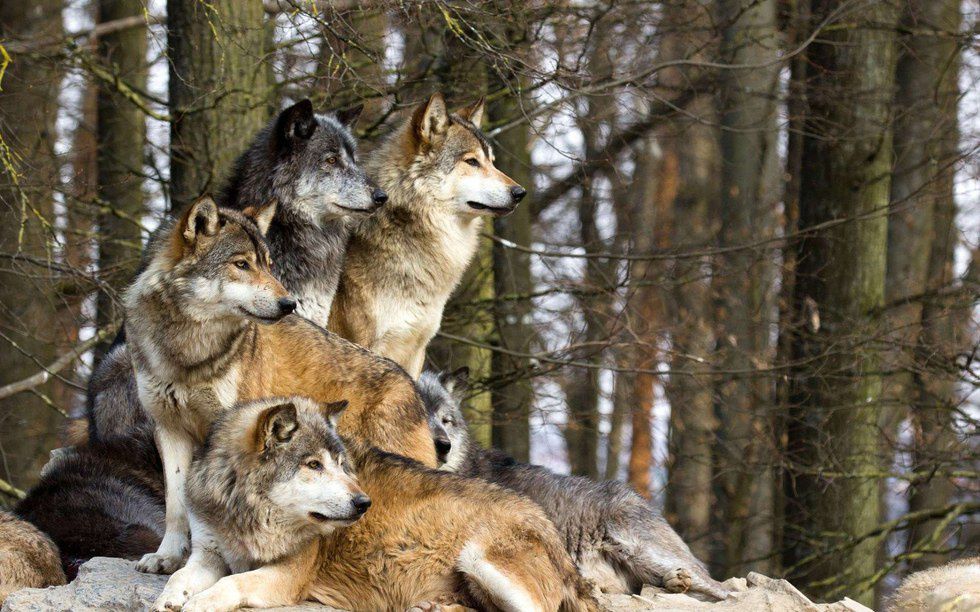
Cattle, pigs, and chickens are not the only animals victim to the industry. The USDA has aircraft dedicated to the aerial gunning of predators surrounding cattle ranches in the U.S., including coyotes, wolves, and mountain lions.
When will all of this unnecessary death—the death of animals, the death of the planet, the death of humans—end?
If the oceans die, we die. If the rainforests—the Earth’s lungs—die, we die.
A major issue, however, that comes with speaking out against these atrocities is the danger of activism. In Brazil, hundreds of activists who have spoken out against agribusiness were killed. For example, Dorothy Sang, a nun who lived in Pará and devoted to her life to protecting the Amazon rainforest, was brutally gunned down by a hired gunman from the cattle industry. Over 1,100 activists have been killed in Brazil in the past 20 years. In the U.S., activism is not as dangerous, but can result in legal trouble. If you disrupt the profits of the animals, you can be found guilty under food-disparagement laws. This is because environmental and animal rights activists, more than any other social groups today, directly threaten corporate profits.
Still, we must put ourselves out there and stand for what is right, not what is easy. We must reflect on our everyday habits and eat for the future, not for ourselves. Coming from someone who has not eaten a speck of meat in over six years, I promise you a life without meat is possible and necessary if we want to protect our home. You can’t eat meat and still consider yourself an environmentalist.
I think C. David Coates, in the preface to his book "Old MacDonald’s Factory Farm," sums up the destruction of eating animals perfectly:
“Isn't man an amazing animal? He kills wildlife by the millions in order to protect his domestic animals and their feed. Then he kills domestic animals by the billions and eats them. This in turn kills man by the millions, because eating all those animals leads to degenerative—and fatal—health conditions like heart disease, kidney disease, and cancer. So then man tortures and kills millions more animals to look for cures for these diseases. Elsewhere, millions of other human beings are being killed by hunger and malnutrition because food they could eat is being used to fatten domestic animals. Meanwhile, some people are dying of sad laughter at the absurdity of man, who kills so easily and so violently, and once a year sends out cards praying for ‘Peace on Earth.’”
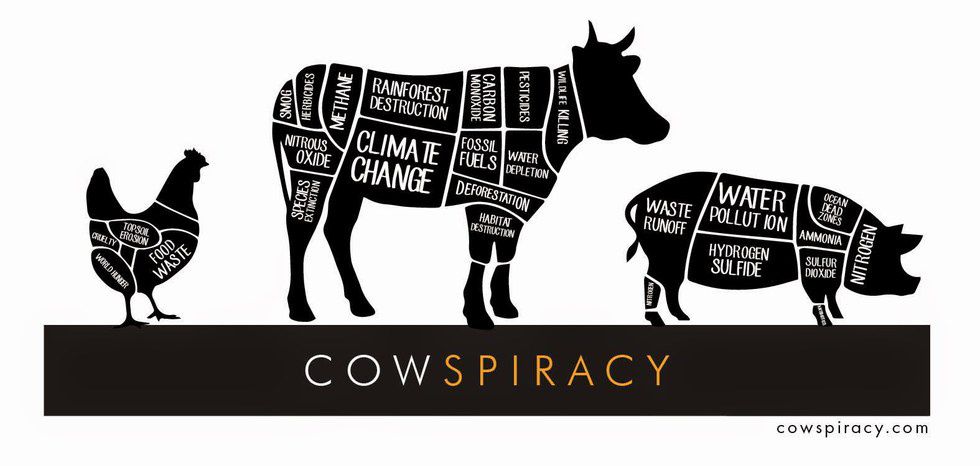
Most of the information in this article came from the documentary "Cowspiracy," available on Netflix. I also recommend the documentaries "Food Matters," "Vegucated," and "Forks Over Knives," all on Netflix, and "Eating Animals" by Jonathan Safran Foer, and "Fast Food Nation," by Eric Schlosser.