

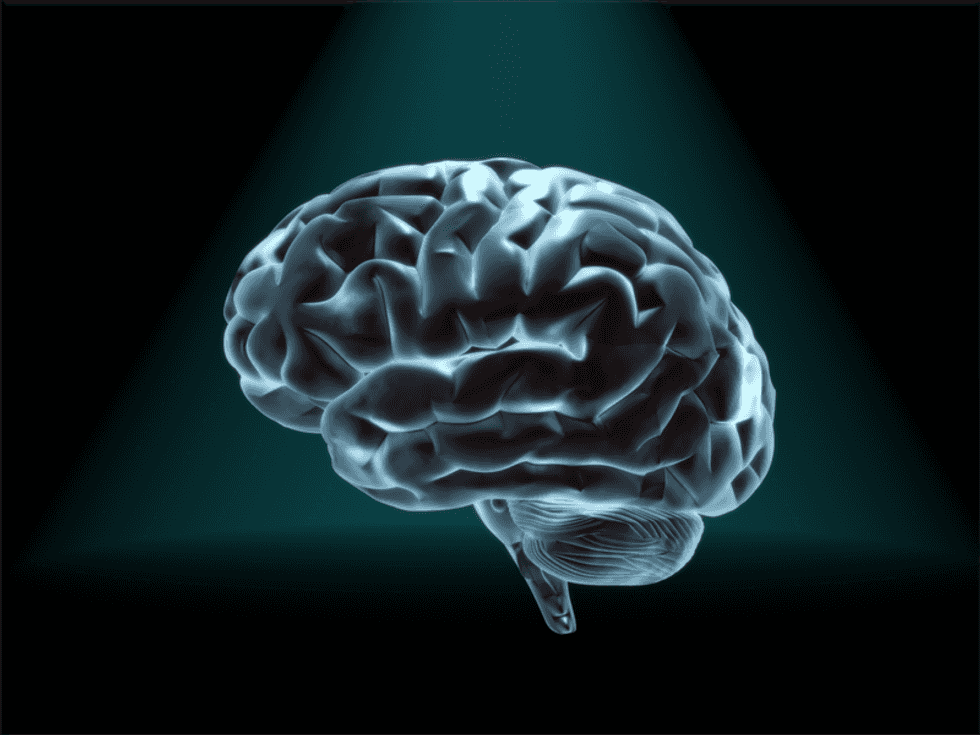
Currently the world seems like a very hostile and dangerous place for many. We feel like every week we hear about humans expressing the worst our species has to offer, from bombings and mass shootings to allegations of corruption and scandal. I am sure there are many people from the United States to Syria and back who, between their own personal experience and the stories and news relayed to them, ask themselves if human nature is inherently violent, and if humans are malevolent by default. This is a philosophical quandary that has been asked most likely ever since anatomically modern humans have been in existence, perhaps even longer. Rather than go into that discussion, I will present scientific evidence stating that contrary to popular belief, humans are inherently symbiotic. Not only is there a great incentive for humans to cooperate with each other, but those incentives are present within the genetic code of all humans. There are both psychological and physiological processes that encourage us to avoid conflict and embrace unity. Recent advances in our understanding of neurology have shown us that we possess faculties that act as both tools for learning as well as the roots of our empathy. These glorious little cells are called mirror neurons.
Before I explain mirror neurons in their entirety, I need to explain an important fact about how the brain operates. Initially it may seem contrary to my prior thesis, but I assure you all will be clear in time. The fact I need to elaborate upon is that, chemically speaking, our brains are entirely selfish. This isn't their fault, they know no other way. Even if you gave away all of your possessions this moment out of a heart-felt need to help those in need, it would still be in self-interest. The reason for this is due to the brain using a fascinating yet simple algorithm to survive, which is that it encourages actions that promote the production of drugs that make it feel good and avoid actions and stimuli that produce stress hormones that make it feel bad. In this way, the important reason why you just gave all your possessions away is that it made you feel good, and so was deemed a necessary action. This is one of the simple mechanisms that keeps us safe and ensures our survival. Now, with that in mind, how might you encourage this selfish brain of yours to act on the behalf of others? Its your brain tricking itself into believing that the actions and reactions of others are actually occurring to us. This is how mirror neurons operate.
"Mirror neurons are a type of brain cell that respond equally when we perform an action and when we witness someone else perform the same action. They were first discovered in the early 1990s, when a team of Italian researchers found individual neurons in the brains of macaque monkeys that fired both when the monkeys grabbed an object and also when the monkeys watched another primate grab the same object."
Now, these individual neurons have not yet been observed in humans, but we have witnessed identical reactions in human behavior within the actions of humans as well as other similar phenomenon. Researchers conducted experiments where individuals were asked to observe various stimuli like people being lightly touched and smelling foul odors and then had the experience themselves using fMRI machines they saw that the same regions of their brains lit up each time. These discoveries have brought us closer and closer to fully understanding the roots of many aspects of human behavior from cooperation and empathy to language and learning. This process that occurs within human minds is what promotes cooperative symbiosis among humans. When we see others in pain, our mind informs us that we are in pain. When we see someone else suffer an unfair action, we support them because we feel like our own integrity has been challenged. Its why we flinch when we see others injured and tend to root for the underdog if we think they are at an unfair disadvantage. The way that these neural relationships function is a crucial aspect of how we process information, including how we assess human dilemmas, from who to sympathize with to enjoying a sport game because you feel like you are actually the one competing. When people continuously harm others and override the protocols that prevent people from endangering one another creates neural connections that are unsustainable and usually lead to long term damage. These forces discourage us from killing or otherwise harming one another, on top as other physiological mechanisms. As many know, when you are angry or scared, like when you are placed in a dangerous situation, you are put into fight or flight mode. This is caused when the sympathetic nervous system is activated, leading to an increase in respiration, blood pressure, perspiration, and adrenaline. The brain and body rely on this system to combat and evade threats but being in this state for prolonged periods of time results in damage to the nervous and cardiovascular systems. Keep in mind, that's on top of the risks your fight or flight response is trying to deal with. Even if someone had a legitimate reason to be in this state and act in a violent way, it would still be detrimental to their mental and physical health.
The points demonstrated previously illustrate how even though humans do rely on certain natural functions that involve violence and conflict, they are designed to be the exception rather than the norm. Many times humans will act selfishly to try to advance their own progress in the short run but by doing so they prevent building a more productive cooperative that would be a greater benefit to all parties in the long haul. Its this reasoning that led to humans investing in intensive agriculture and being subjected to taxation in order to benefit themselves when they could have struck out on their own. Humans, no matter their system of beliefs or laws, will always inherently see the value of working together over brutal individuality on the whole. There will most likely always be conflict, even if not on the scale of wars, but it is just the result of simplistic survival mechanisms seeking a quick and easy answer to a much longer term and more complex problem that is the adventure of life and the many trials it presents us with.