
The Middle East: what a complicated area it is over there. If you're as confused as I was before I began writing this article about what the heck is going on over there, a video that explains the Middle East conflict in simple terms helped me. Israel wants to live as an independent Jewish state, in peace, while accepting Palestinians and other Muslim and Arab individuals. But the conflict is that most Palestinians (plus other Muslims and Arabs) do not accept the Jewish state of Israel and wish it would cease to exist. Basically, according Dennis Prager, narrator of the video, one side (Palestine) wants the other side (Israel) dead.
I'm not writing another complicated article about the conflict in the Middle East, though.
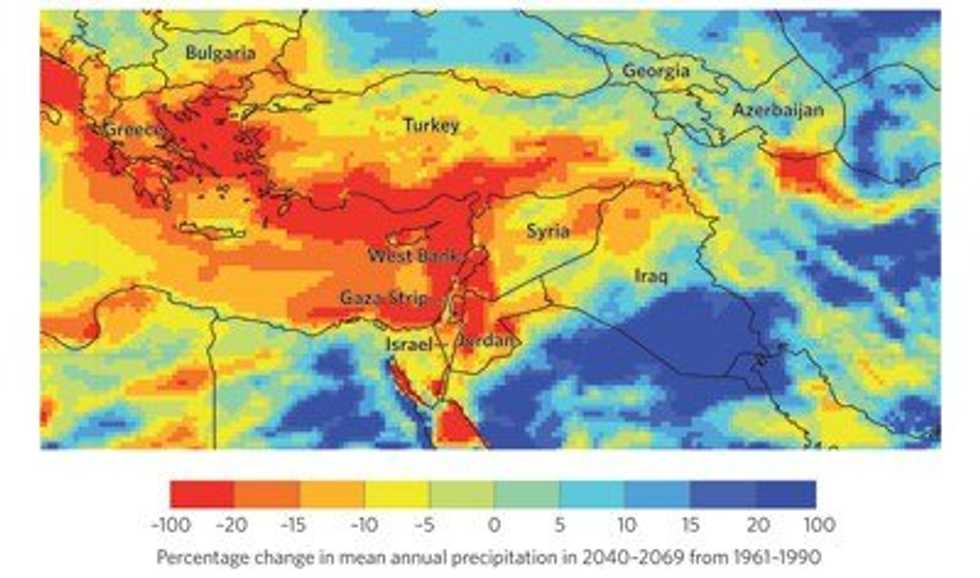
According to CNN, humans may not be able to survive living in the Middle East by 2100.
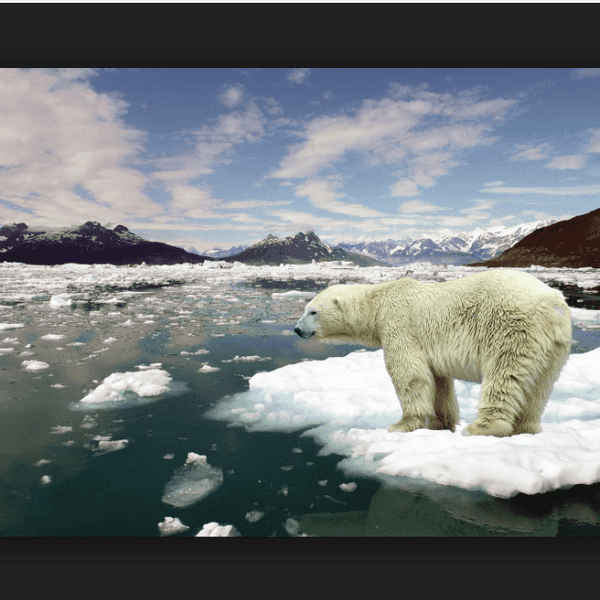
We hear a lot about global warming, that climate changes are human-caused, and glaciers are melting while the global temperature is rising. When I say the global temperature is rising, I don't mean that the temperature just went up one degree, similar to how our city's temperature fluctuates every day. From what I learned in meteorology class my senior year, it takes a very large amount of heat to warm all of the oceans, all the land, and the entire atmosphere by a degree. To make it simpler, it only took a two degree drop for Earth to enter the most recent Ice Age.
In major Middle Eastern cities, the summer is becoming too hot for humans to live in. The Persian Gulf suffers from extreme temperatures already because of the rise in the global temperature, so it does make sense that that area would experience this first. The CNN article says that "our bodies react to heat by producing sweat, which then evaporates and cools our skin... but as the temperature and moisture in the air increase, the process becomes less and less effective." If your body can no longer cool you down, a temperature any higher than 90 degrees Fahrenheit could be deathly.
Currently, the actual air temperature in cities lining the Persian Gulf, such as Dubai, gets to 140 degrees, but the wet-bulb temperature ends up keeping it survivable for humans, for now.
There are a couple scenarios that climate change reports lay out, and one of them states that the temperatures in 2100 will indeed be much hotter than it is today, but not deadly. Another scenario says that because 2015 was the hottest summer the area has had in 4,000 years, it is expected that the temperatures are certain to be deadly in the next 85 years.