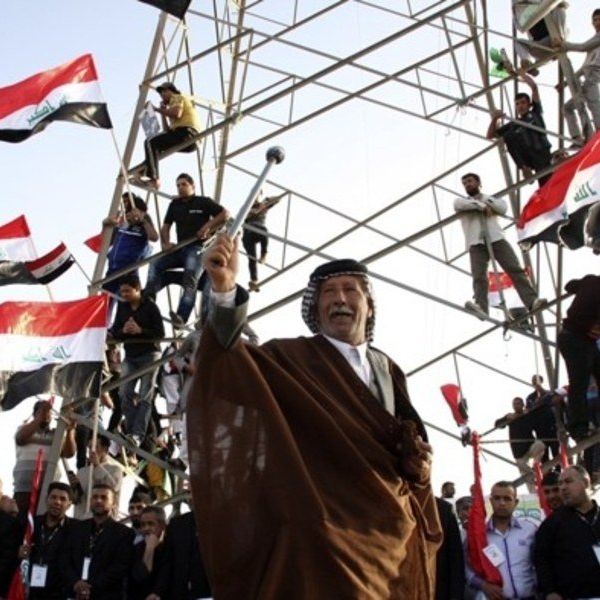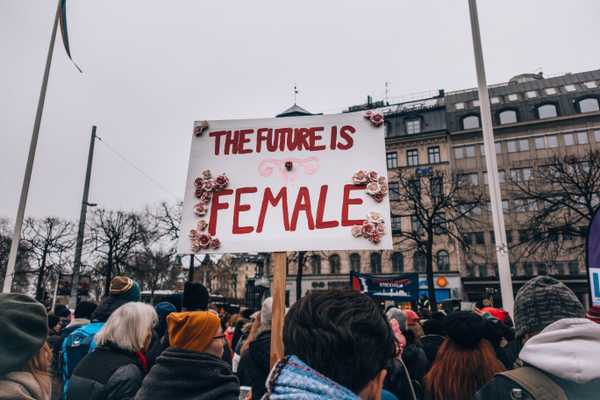

To whom does your backyard belong to? Your parents who claim the property? Your government whose use of eminent domain knows no bounds? The native people who cultivated the land centuries before your ancestors ever made claim to it?
The ability to claim and dispute land has been the driving force behind some of mankind’s greatest scientific advances. The Manifest Destiny urged our ancestors westward into territory that could hardly be populated, requiring improved (now seemingly ancient) communication and the development of railroad technology. Hitler’s desire for lebensraum propelled the Nazi military into foreign lands and, consequently, lead to more efficient machinery, faster airplanes, and some of the most basic computers.
There have also been horrible consequences as a result of mankind’s pursuit of land. Hundreds of thousands of civilians and militants native to West Africa were killed in the Portuguese Colonial Wars, dating nearly fifty years ago. In 1950, the Chinese army swept into Tibetan communities and a guerrilla war was raged between the previously autonomous Tibetan people and the Communist Chinese who claimed the territory. Anger, despair, displacement, mistreatment, and death are the consequence of these actions by both parties. (I would be remiss to not include the treatment of Native Americans during the Manifest Destiny era and non-Aryan Europeans under Hitler ' regime).
The myriad of territorial wars both remembered and forgotten should rattle every human to their core and we teach these topics with such ferocity and truthfulness that the thought of another war, with such consequences, seems intolerable. And yet, so few of my colleagues know of the civil war in Sierra Leone. Few understand the complexities of why the Islamic State fights vehemently for land that is labelled differently.
To you, the reader, I ask, whose land do you challenge? Or perhaps who challenges your land?
For the Ukrainian, the Russian encroachment threatens sovereignty and every right their government promises. To the Pakistanis, the Indians. To the Palestinians, the Israelis. And vice-versa.
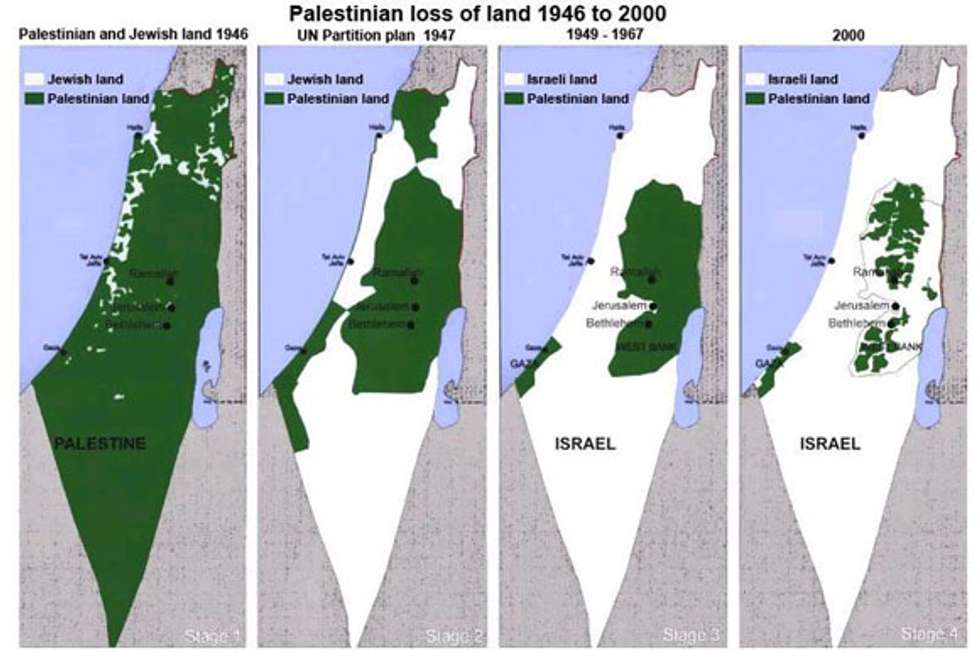
I offer no perfect solution; I volunteer no lives or land in exchange for a temporary peace. Rather, I consider a conciliatory approach to be the only solution.
Yet here I sit, in my comfortable home on undisputed United States territory with my television and my R2-D2 lego set, along with my less-than-nuclear family. Our myopia clouding the harsh realities of individuals globally is, in truth, what we need to function regularly. Whether we’re blindfolded by censorship or just claim blissful ignorance, one must recognize our challenge -- our Great Geographic War. With that recognition, we no longer live in the reality of the naive, but on the battlefield for global peace.
I ask you to choose a side in this horrible war we have brought upon ourselves. Choose the side of righteousness and peacefulness. Choose the side of the sullen and the downtrodden and aide them. Because while we may not be able to end this tragedy, each of us has the power to understand it.