
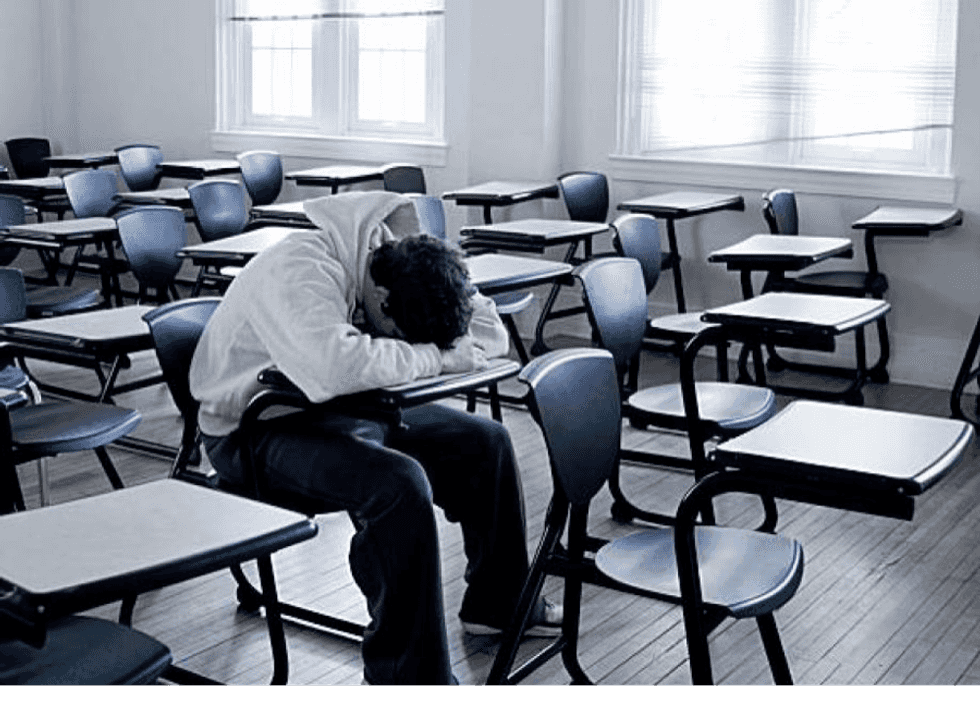
The young man had graduated from high school at the age of 16 and had since started university. A Nigerian native with a strong accent, he was a stranger in a foreign land.
People described him as kind, good at public speaking, but quiet. Quick to joke around but lonely and longing for attention.
And so, his finger touched the screen. The post was placed anonymously.
On Tuesday he sat in the university’s chapel service–an uneasy, anxious expression strewn across his face. Later that afternoon, he approached a senior official at the university, confessed, and was taken into custody. He is now facing between 15 and 25 years in prison.
The Yik Yak post was visible for only a few minutes, but a few minutes was all it took. Over the next few days, terror spread across the campus as people feared a recurrence of the shooting in Oregon from a few weeks before. Police combed the campus and the FBI investigated. Students were encouraged to maintain a normal campus atmosphere, but they couldn’t. There was a target, and the target was no longer someone in a different state.
They were now the target.
The threat sat in the back of everyone’s minds as they sat cheering their dorm on at the campus-wide dorm competition. People fidgeted in their seats the following day at the university’s chapel, looking around, looking for anything unusual. Campus life continued, and yet it didn’t. A tension sat in the air. Everyone was on edge, waiting for the gunshot that would cut the silence.
On Tuesday afternoon, the perpetrator was taken into custody. Students, parents, administrators and police officers breathed a sigh of relief. No shots had been fired, no one was dead, no tragedy had occurred. Or had it?
The seriousness of the situation cannot be overlooked, especially given the number of mass shootings that have occurred in the United States over recent years. Additionally, I agree with other writers that the media must stop focusing on the shooters and rather focus on the victims. However, in light of this, I want us to take a different perspective, for all too often we miss one of the most vulnerable victims: the shooter before he ever pulled the trigger.
What I mean in this is that the tragedy occurred long before any threat was made or any trigger pulled. The tragedy occurred in the heart of the individual who bought into the lie that threatening or carrying out an atrocious action would somehow justify or remove the pain within themselves: the pain of loneliness and isolation.
I do not bring up these points to justify their actions, for the pain they cause is unjustifiable. I simply bring this up to make the point that the guilty were once the victims: lonely, isolated and feeling unappreciated in what might have seemed a foreign land. The charge then comes to us. How do we treat the odd man out, the loner, the overlooked student? Can we prevent tragedies like those plastered across headlines by preventing the initial tragedy? Can we save the victim before they become the guilty? Can we reach out to the hurting before they themselves hurt others? If we can accomplish this, we may never know that we prevented a greater tragedy.
If we don’t, however...
Note: The information in this article was gathered through several interviews with students who knew the suspect personally. Given the sensitivity of the situation, I chose to withhold their names.