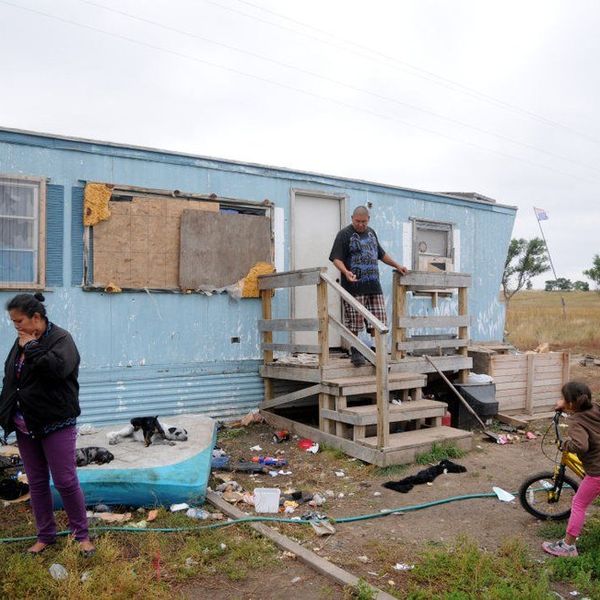
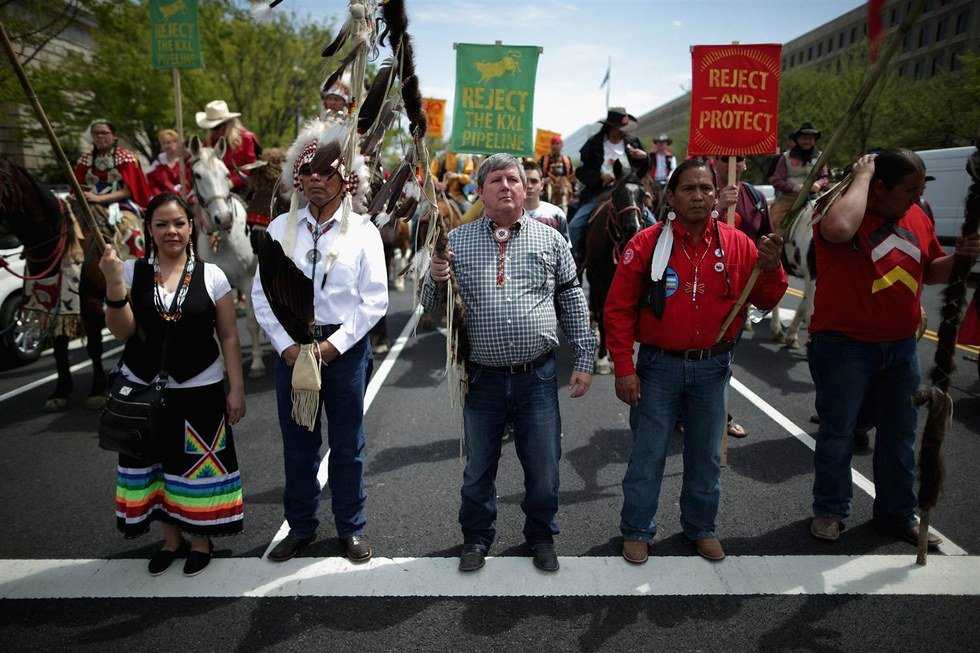
The 2016 presidential run has been one of the most heated in decades. Although the media has been a veritable circus on issues ranging from campaign funding to higher education to mass incarceration, little attention has been given to the concerns of North America’s first citizens – American Indians. There are over 5.4 million Native Americans in the U.S., and in states with large populations (such as Arizona, Nevada, and North Carolina), native communities have been known to strongly impact election results. The three remaining presidential candidates – Trump, Clinton, and Sanders – hold vastly different records regarding Native American rights. The following article provides a breakdown of each candidate’s history and position on these issues. Most Americans have picked their candidate by now, but if you’re still on the fence about who to support, this information may help guide your decision in the upcoming elections.
Donald Trump
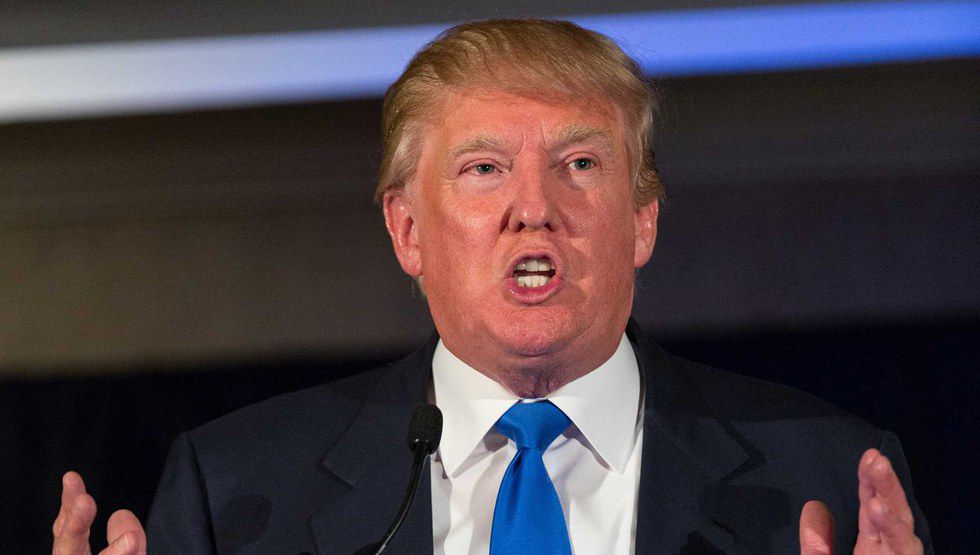
Donald Trump’s campaign has not released any policy positions regarding native issues, but his track record with the Native American community makes him the worst candidate for indigenous concerns. In 1993, the real estate tycoon launched racially-loaded attacks against members of the Mashantucket Pequot Nation in Connecticut. During a hearing of the House Native American Affairs subcommittee, Trump argued that tribal business leaders “… don’t look like Indians to me. They don’t look like Indians to Indians.” He also insinuated that the mafia had infiltrated the tribe’s casinos and used them as a base for illegal activities. Trump’s relationship with American Indians has seen little improvement in the new millennium. In 2000, he ran a series of inflammatory ads against the St. Regis Mohawk Tribe because their growing gaming business threatened his casino in Atlantic City. Tribal leaders referred to the rhetoric in his advertisements as “a naked appeal to racism.” Aside from viewing native peoples as business enemies, Trump has remained out of touch with cultural appropriation and identity issues. He recently came under fire for claiming that Native Americans “love” the name of the Washington Redskins football team, despite years of efforts to have the offensive title changed. In September 2015, Trump promised voters that he would reverse President Obama’s decision to restore Mt. McKinley to its original native name – Denali, claiming that the change was offensive to McKinley’s home state of Ohio. No surprise here.
Hillary Clinton

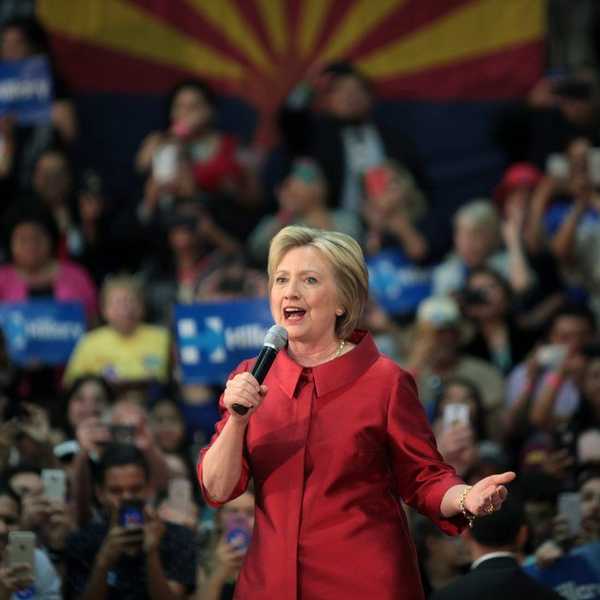
Clinton has drawn attention to native issues over the course of her campaign but for many American Indians, her approach leaves something to be desired. The issues section on her website only mentions Native Americans twice – both instances on her page addressing racial justice. The first instance acknowledged indigenous Americans’ high incarceration rate and the second discussed a new jobs program geared toward black, Latino, and native youth. A factsheet published by The Briefing, a group which attempts to dispel attacks on Clinton’s record, outlines her vision for the relationship between the United States and tribal governments. Although she claims that the U.S. should make efforts to fulfill treaty obligations, Clinton has repeatedly skirted the question of apologies and reparations. When asked about this issue by an attendee of the November town hall in Windham, New Hampshire, her response was disappointingly vague. “You know I want to help Native Americans. I think what has been done to them... I am going to be looking at ways we can help get a better life." Despite her evasiveness, Clinton’s vocal support of the UN Declaration of the Rights of Indigenous Peoples has led many Native Americans to lend her their support.
Bernie Sanders
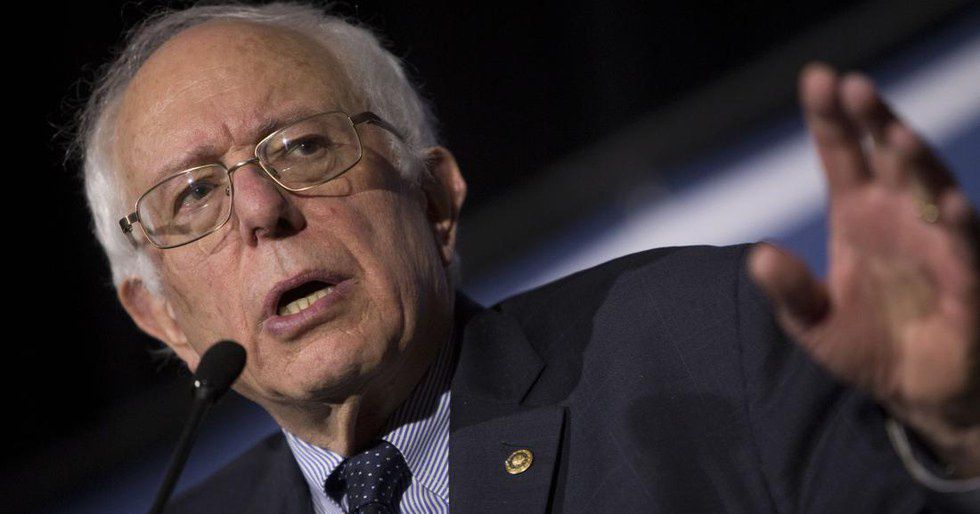
Of the remaining candidates, Sanders has given the most attention to Native American concerns. His campaign website features pages outlining his stances on issues facing American Indians and Native Hawaiians, and he has spent ample time addressing these issues on the campaign trail. In the past year, Sanders has visited native communities in New York, Iowa, Arizona, and other states. As a senator, he introduced and supported multiple bills aimed at protecting native lands and improving the quality of life in both reservations and urban centers. The 2013 Violence Against Women Reauthorization Act, the Save Oak Flat Act, and the Low Income Solar Act of 2015 are just a few examples. Sanders is also the only candidate to appoint a Native American policy adviser for his campaign.
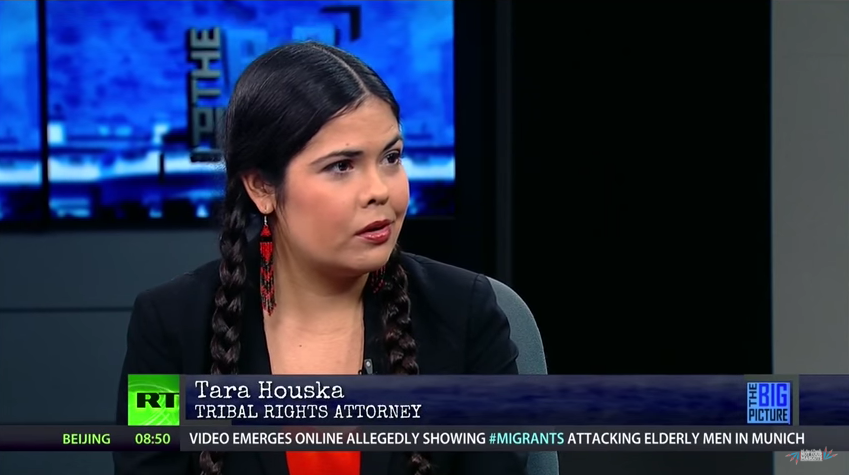
Tara Houska, a native rights attorney and member of the Couchiching First Nation, took the position in February 2016. Sanders and Houska met while working on the Keep it in the Ground Act, a bill which would prohibit new leases for fossil fuel drilling on publicly-owned lands. Like Clinton, Sanders has gained considerable support from Native Americans across the nation.