Our FOMO, or fear of missing out, is slowly dwindling as the fear becomes more recognizable in adolescents. After it’s rise of recognition and peak as the punch line of everyone’s jokes, scientific analysis has related the term “FOMO” to anxiety disorders and depression, resulting in its downfall.
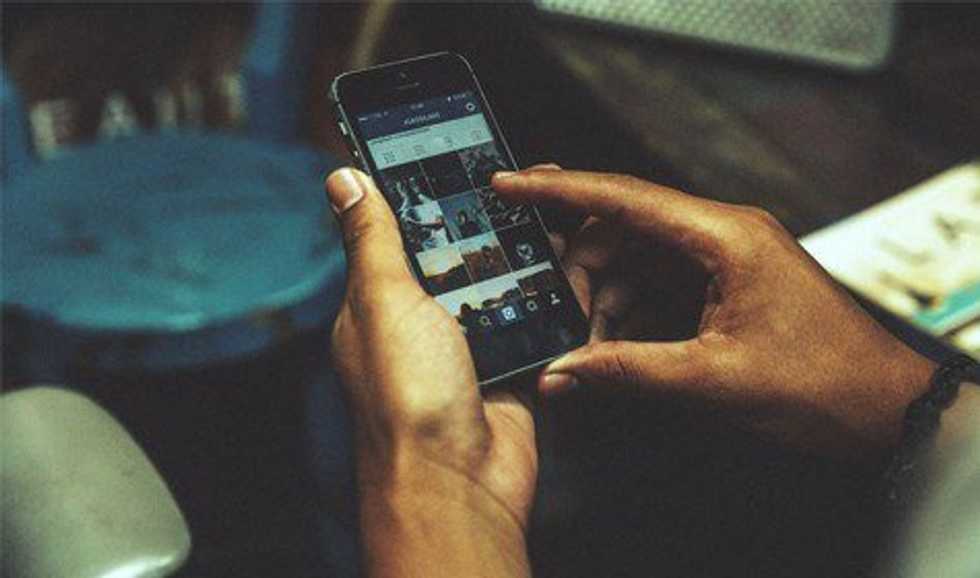
It makes sense, if you really think about it. The idea of kids constantly checking their social media pages to see what they are missing can’t seem to be healthy, especially when social media has evolved into a platform for adolescents to prove their social standing. Kids delete their Instagrams, Tweets, and Facebook posts if they don’t get enough likes, and photo editing has evolved from the filters on Instagram to the thousands of editing apps with skin correcting features and teeth whiteners.
Growing up with regular advancements in social media has conditioned our generation to constantly obsess over other people’s lives, even if we don’t directly know the person we’re checking up on. We have this untamable curiosity of what everyone else is doing that glues us to our social media apps and websites, overwhelming us with the anxiety of missing something.
No more, says the #fomonomo movement, with its hashtag on major social media platforms like Twitter and Reddit. People all over are tweeting their mundane tasks with the hashtag “fomonomo,” or “fear of missing out no more,” to get across the point that, despite our fears, we’re not missing out on much. The acronym even has its own Instagram page, posting pictures of cleaning or shoveling snow. The page's motive is to show everyone that not only are they not missing out on anything, but if they were, they wouldn't be missing something desirable.
Other movements have picked up the idea as well and had their own fun with it, such as the term “JOMO,” or “joy of missing out," where people decide they would rather unplug and spend the night by themselves than get involved with what is happening on social media.
These platforms have made advancements in stopping both the anxiety of missing out and the obsession society has with social media in general. According to an article on The Huffington Post, classes and meetings on mindfulness and meditation have emerged in the workplace as an anti-FOMO response. These workshops set aside time without technology or social media to, "...help staff manage their hectic working lives and get a better sense of mindfulness." This has proven to be effective in the workplace, and serves as a model for what could happen in the outside world.
We need elements of control to keep the technological world from taking over our real world. FOMO is a perfect example of our failure in this category, but with responses such as anti-FOMO movements and classes challenging the overwhelming social media presence, we can continue to coexist without technology completely taking over.