
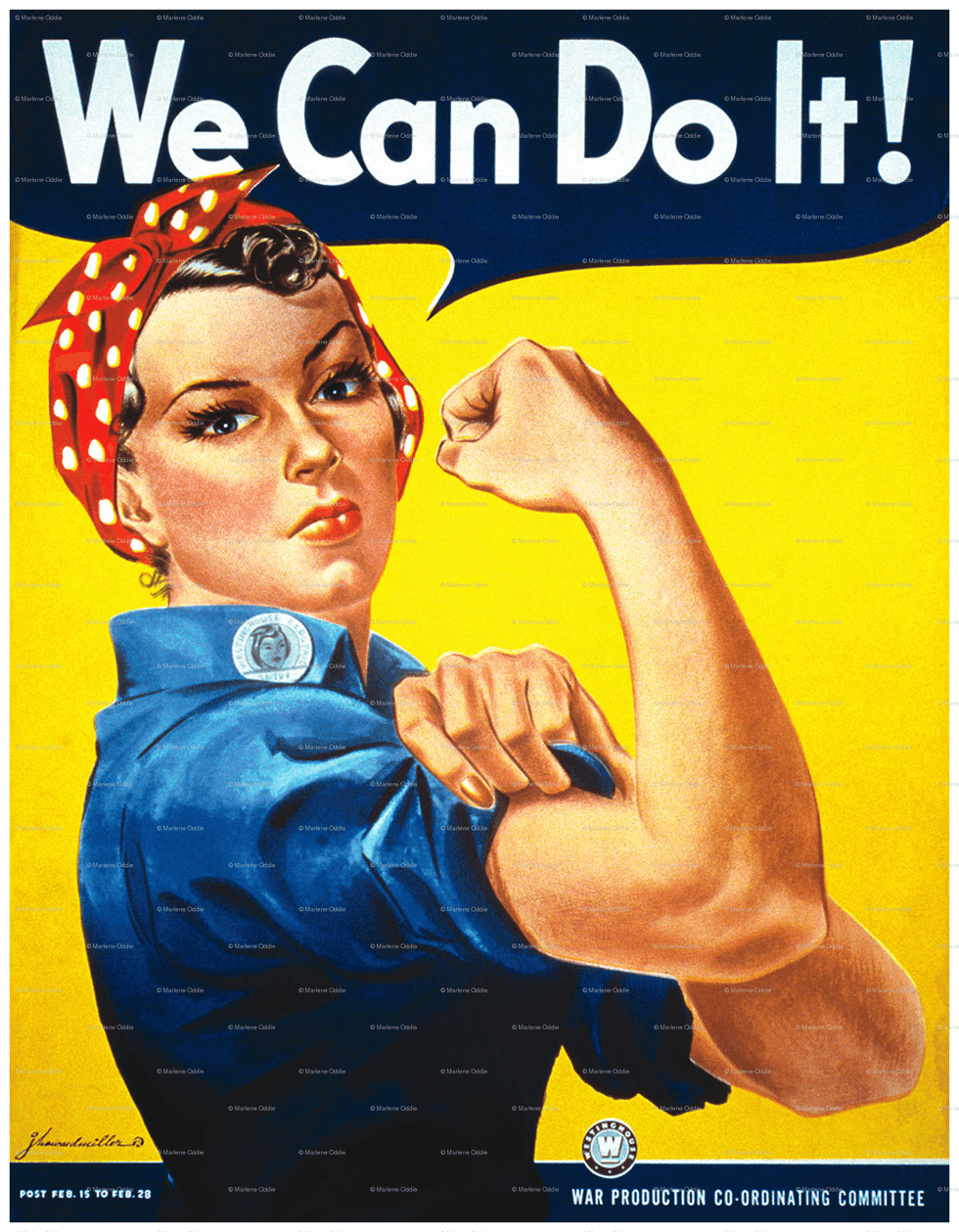
Family, class, race, ethnicity, religion were all major factors into why women worked during this time. Women created the belief and feeling of wanting to contribute to society through work, rather than constant home life and they had been forced to uphold for years and years. Life experiences from working women portrayed in their message included a sense of purpose as they provide and obtain the income needed to survive. This can be seen in the quote,”A woman who could do a man’s work at a man’s pay,” or, “I was a working woman,” that portrayed the sense of pride women had as they had the opportunity to be in the work force. Mass media believed the exact opposite and did not portray them as such. They showed women as temporary, that working women were dangerous and unfeminine. That they did not belong in society as a woman belonged in the home, keeping to the ideal of the “American dream.” Mass media believed that family was “a greater promise of self-realization” in articles such on cooking and cleaning. In order to “reveal” the negatives of the working women, the mass media created pieces such as “8 Hour Orphans” or “Your baby or your job?” that would cause a negative view and opinion on the working woman.
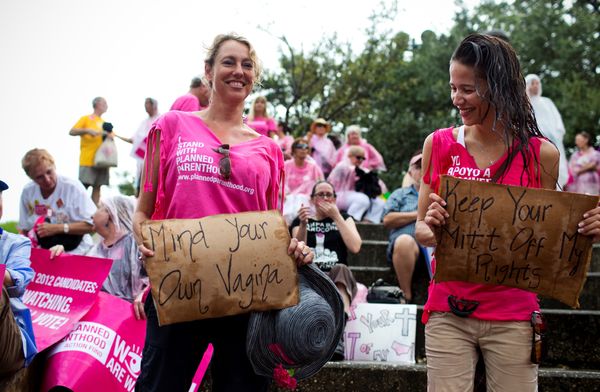
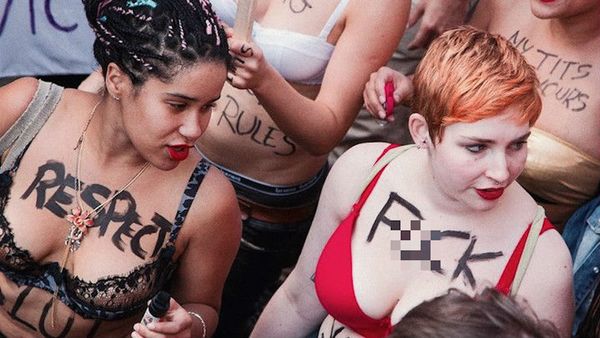
Vigorous debate about gender and its relationship to race, class, religion, and ethnicity in relation to opportunity has been cycled. Throughout most of history women generally have had fewer legal rights and career opportunities than men. Wifehood and motherhood were regarded as women's most significant professions. Throughout most of history women generally have had fewer legal rights and career opportunities than men. Wifehood and motherhood were regarded as women's most significant professions. In 1933, Mary Beard wrote: “the need to understand women’s role in ‘the development of American society- [women’s] activity, their thought about their work, and about the history they have helped to make or have observed in the making.” In order to understand women’s role in the development of American society, we must look at the cultural conflict presented amongst women and how it altered American society itself. In the face of conservative organizing, feminists of different religions, ethnicities, races, social class, etc. have tried to dismantle the actions against women’s rights. This can be seen through the fight for women’s right to vote, better work environments in factories, the controversy of abortion, women’s labor laws, and marriage equality. During the 1960s several federal laws improving the economic status of women were passed. The Equal Pay Act of 1963 required equal wages for men and women doing equal work. The Civil Rights Act of 1964 prohibited discrimination against women by any company with twenty-five or more employees. A Presidential Executive Order in 1967 prohibited bias against women in hiring by federal government contractors. All of these factors have contributed to history and the formation of the United States, as women have helped to make such changes occur throughout society. Women of color and immigrant women from nations around the world have continued to challenge the culture in which inhibits their development in society by social movements such as abolitionism and a women’s right to vote. Women have evolved their identities from the fight for social change, contributing to history and our countries progress.