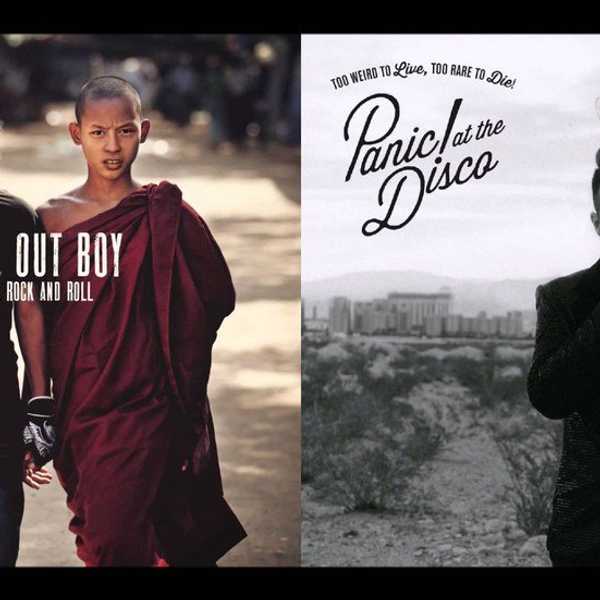
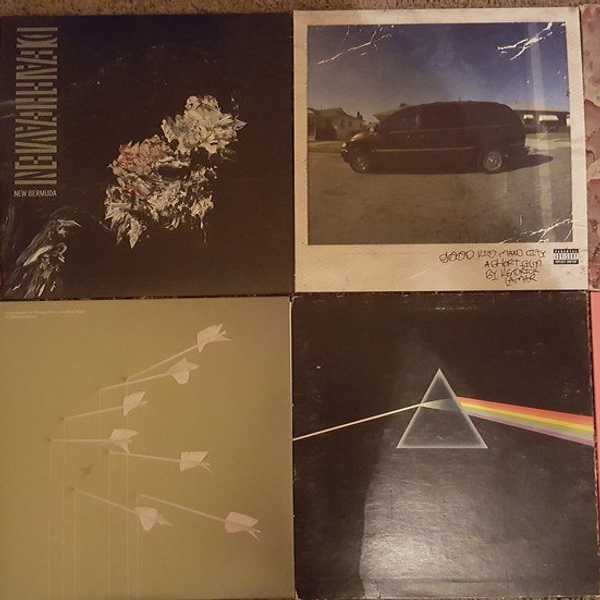
Take a minute and think about current rock or alternative artists. Likely, you will come up with popular indie groups such as The 1975, Twenty One Pilots, The Neighbourhood, etc. Looking at more closely at these artists and similar bands, they are all likeable, musically appealing, popular through a respectable following, and at the same time, all shockingly safe. The audiences of modern “rock” groups are typically teens and young adults, highlighting the culture of the next generation. Now of course, this is not to degrade the band of any respectability- in fact, the most notable and historic rock groups all had primarily the same audience. The difference rests in willingness of the artist, as well as the willingness of the fans to take and accept risks. When a modern band is said to “have taken a risk,” it most likely indicates a sound change. The irony in this is that these sound changes are extremely safe by the standards of classic rock musicians that released music with little to no thought on how it would affect their status (Notice the 23 minute “Echoes” by Pink Floyd.)
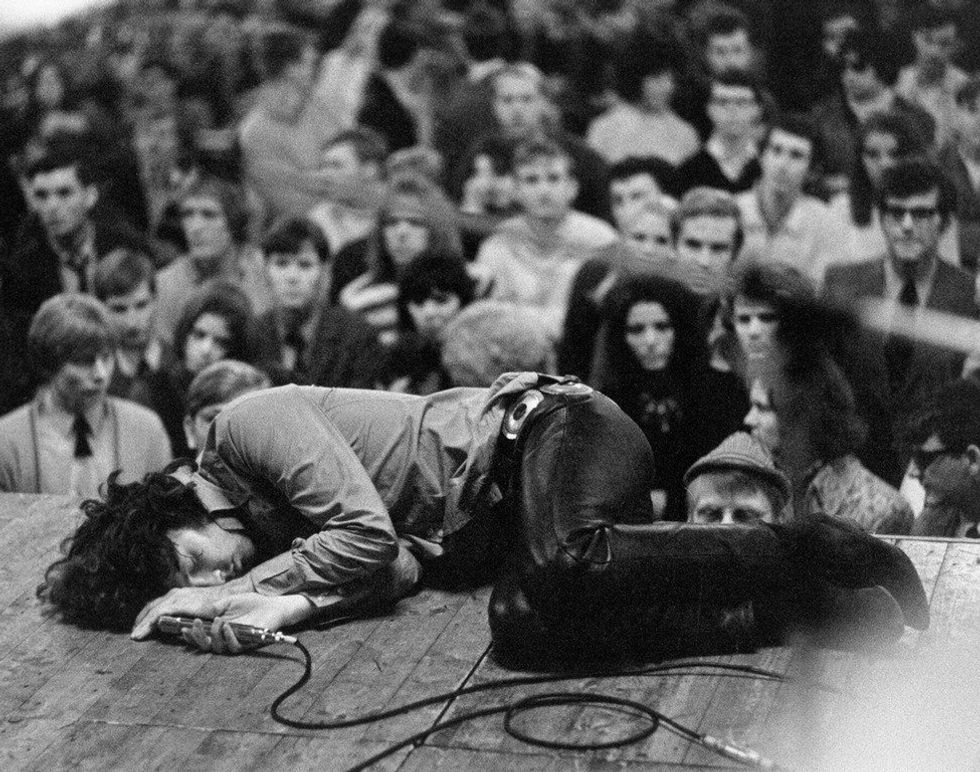
Risk is a very loosely used word among the music world today, but certainly this has not always been the case. Rewinding back to the 1960s and 1970s, an important group to take note of is The Doors, more specifically the iconic lead, Jim Morrison.
Jim Morrison, (also referred to affectionately as “The Lizard King” if it is any indication of his bizarre existence,) was the keystone figure in the definition of the word “risky.” From getting kicked off of The Ed Sullivan Show after refusal to censor lines in The Doors’ breakthrough hit “Light My Fire,” to the controversial lyrics of the 12 minute infamous album closer “The End,” and even to regularly started fights with the police during concerts, Jim Morrison was no joke. However, The Doors are but one band in the staple of counterculture beginning in the 60s. But with time, and the loss of important classic rock bands, our current world has lost the most important element of rock—its culture.
Counterculture, or more commonly noted as “Hippie Culture,” prominently originated among youth in the Haight-Ashbury district of San Francisco. Centered on a desire to make change and disobey the strict societal rules of the time, these people made waves in their world. At the base of this culture was the music that inspired people (besides The Doors, a few notable artists are bands such as the Grateful Dead, Pink Floyd, as well as singers like Jimi Hendrix and Janis Joplin.) Today, rock music exists as mostly just sound. Our time is one in which artists cater to audiences and thrive on crowd-pleasing. We have lost interest in listening to creating and listening to music that scares authority. Bands and singers serve little purpose besides entertainment. No change is made, no audiences are becoming fired up with passion to make waves. Our culture prefers entertainment that plays it safe. Many of our favorite artists wouldn’t even dare stir up controversy if it would create the potential of a loss in popularity. If there is any rock culture left at all, it exists only with in the low level, peaceful protests taken by popular figures on Twitter. It is even further frustrating when observing the reception of the few artists who possess Morrison-esque qualities.
Immediately, highly controversial singer Marilyn Manson comes to mind. He has had his fair share of shocking moments in similar fashion to those of Morrison. His reputation has become so risqué, that he is sometimes accused of being the antichrist. But he is much more than just crazy. If the popular masses took a moment to realize the message behind his antics, they would find one of the most potentially influential figures in music, with truly good intentions.
In theory, artists like him have the potential to be the next Jim Morrison. Perhaps the problem is within the musically inclined youth of today in their lack of acceptance to offend and evolve. The real root of the problem in the demise of rock culture may not be an absence of the next Jim Morrison, but about the refusal of people to accept one.