It is the year 2016, and in countries around the world, menstruating girls cannot touch family members, live at home, or enter churches, mosques, or temples. Many religions deem menstruation as “impure,” while others see it as “untouchable.” So the problem is: there is a giant elephant in the global society, and as the world’s most progressive country, we are doing nothing to address it.
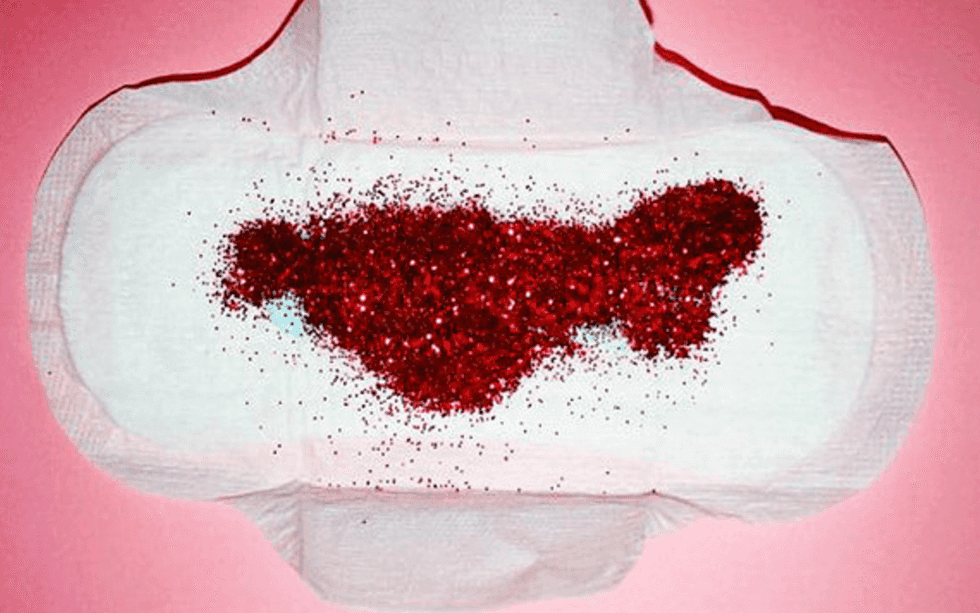
The science of menstruation itself is not very complex. It is an essential bodily function that happens when the uterus sheds a part of itself. A normal, scientific phenomenon. Typically, when a female gets her period, an egg from the ovaries travels towards the uterus, which is undergoing its monthly preparation for pregnancy with the creation of an extra lining. Not rocket science, right? The egg either ends up attaching to the walls of the lining if the woman is pregnant, or falls through. In the case of the latter, the lining ends up shedding itself, which, combined with the egg, contributes to the blood we otherwise know as “the period.”
So why is it that this simple bodily function remains the core of disgust in societies today? Girls in classrooms are ridiculed when they are seen scrambling to discretely grab a tampon; women are scorned when they need to excuse themselves to change their pads; females all around the world are shunned from their cultures and barred from their homes while they are bleeding.
In Nepal, it is considered the utmost disrespect when a menstruating young woman enters a house. The tradition, called chaupadi, dates back thousands of years and confines menstruating women to the outdoors. Even in the more socially progressive parts of Asia such as Mumbai, temples and mosques barr menstruating women from entering. Activists around the country are challenging these ancient customs, asking, “which God gave somebody the right to choose what I do with my blood?"
Conversation is skyrocketing about these taboos, particularly in some of the more conservative communities. But what about in our very own, moderately progressive nation? We are the first to teach students about the practices of safe sex, starting as early as 5th grade. We are the first to openly talk about sex and one night stands with one another, bragging about hookups galore. Our entertainment industry produces some of the most scandalous content known to man. But why is it that we harbor so much shame in speaking freely about a natural bodily function that over 165 million women across the nation deal with?
In the classrooms, the shame of the period is every girl’s living nightmare. I was in the seventh grade when I first had to explain to a teacher why my crippling cramps rendered me unable to run my remaining 3 laps around the basketball court. As a female, I know I’m not alone in this challenge. Why do we feel shame in excusing ourselves for the nurse or bathroom? Why do we harbor freakish obsessions with asking female peers to see “if there’s anything on my pants?” It is an unspoken, but acquired language that women speak.
The effects of the menstrual taboo are dangerous. Not only from an educational standpoint, but also from a societal standpoint. 2 out of every 5 girls in Ethiopia miss school when they are on their periods. In Bangladesh, raging health effects of menstruation can be seen from unsanitary conditions to toxic shocks. By abiding by menstrual taboos, cervical cancer is on the rise in India.
The only counter to this “ailment” will be when we decide to launch an open discussion of our natural bodily functions. By freely talking about periods and proper hygiene alongside our shared discussions of sex and puberty, we can pioneer a global initiative that will work towards countering the menstrual taboo. As the leading country in the initiative for global conversation and change, we owe it to women worldwide to launch a collective understanding of why the menstrual taboo can be so harmful to women’s health-- mental, physical, and societal.