


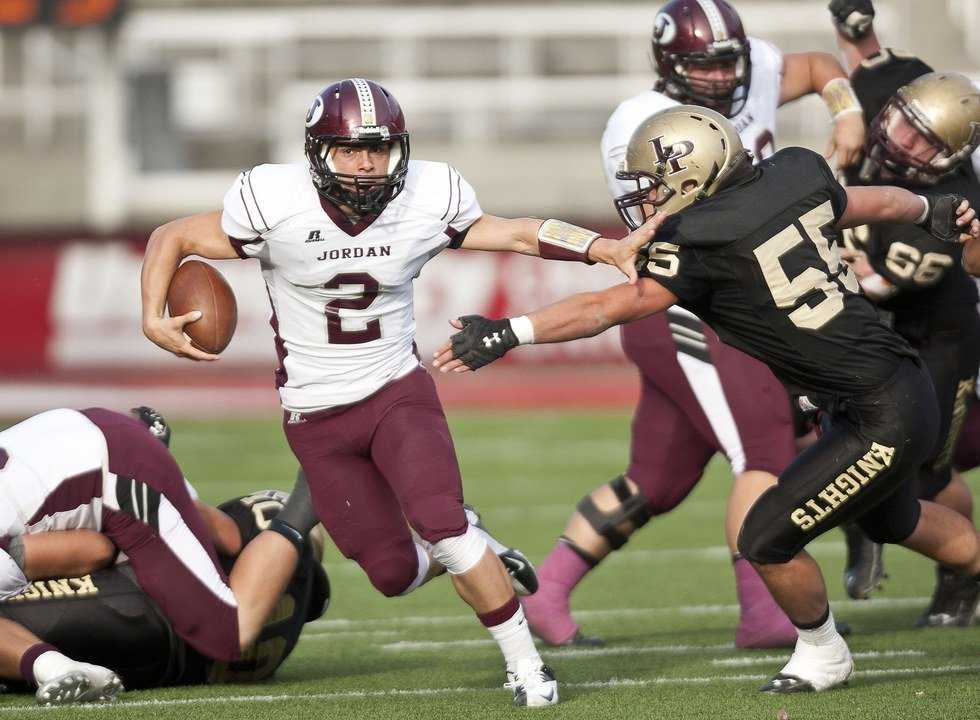
People all over the world are encouraging more and more kids to become more involved with sports as they grow older to become more active and learn life lessons. It is true that athletics helps kids grow in life, stay active, and become more social, but little do people know, athletics, as much as they have a positive influence on kids, there is also a downside to every sport that is being played at every level of participation. Parents like to think that with their child involved in sports, it is benefiting their child 100% and helping them with their lives in the long run.
Although sports benefit kids by keeping them active, there is also a possibility of their sports hurting them. Sports have a tendency to do wear and tear on the body and joints as the level of participation gets harder and harder. Although the possibility of getting hurt is more as the intensity increases, there is a large possibility that your kids will get hurt at the lower levels of sports as well. For example, there is a greater possibility that a collegiate football player will get hurt rather than a pee-wee football player because there is more intensity in the game at the collegiate level. Along with injuries occurring at an immediate time, there is also a large possibility of long term injuries happening, such as joint problems or other long term injuries. This possibility also increases the more time the sport is played. For example there is a greater chance of a long term injury in an athlete who has been playing a sport for 18 years rather than in an athlete who has only been playing a sport for 3 years.
Along with physical downsides of athletics, another downside is, the lack of focus in academics. With the demanding physical requirements of sports, the kids often neglect their school work and studies in order to keep up with their social lives and the demanding properties of their sport. This factor does not happen as much in the younger levels of athletics as it does in the higher levels, such as High School and college when the intensity of their sport is greater. In rec leagues, kids usually only practice a few times a week with competitions are on the weekends or once a week at night, where as in High School and College, practices are daily and competitions occur a few times a week. Along with practices being more consistent in higher levels, the practice times are longer. In rec leagues, practices usually last from an hour- an hour and a half where as in the more demanding levels, the practices are longer. This increase in demand from the athlete, causes the athlete to lose focus on their academics because they often become tired easily and neglect their school work.
Not only is the athlete neglecting their academics, but often the athlete also begins to neglect their social lives, family and sleep in order to accomplish their daily to do lists. With the increase in demand of the sport, the athlete finds him/herself with less time to make their daily life demands work with their training schedule. With less time in an athlete's life, there is less time to complete the necessary things in a day, such as homework, eating, and proper hygiene, so these things because less of a priority to them and often go neglected.













