
Have you ever stopped to consider, "Do I really need this new shirt?"
Perhaps yes, but let me guess, you went ahead and bought another one not long after anyway. This new phenomenon of ‘seasonal’ purchasing has become extravagant in its entirety.
Maybe you’re questioning why this is an issue. Well, it is a huge issue. The reason being that this constant desire to need that one more item has left us as a society wanting more for cheaper.
At first this may seem harmless, but when you begin to learn of the consequences of how the fashion industry has become "disposable," you cannot ignore the damage that you are helping to contribute to.
So why is purchasing these cheap products such a problem?
For starters, it affects people and secondly, it causes damage to the environment.
How does it have such negative consequences? The implications of the disposable fashion industry are immeasurable.
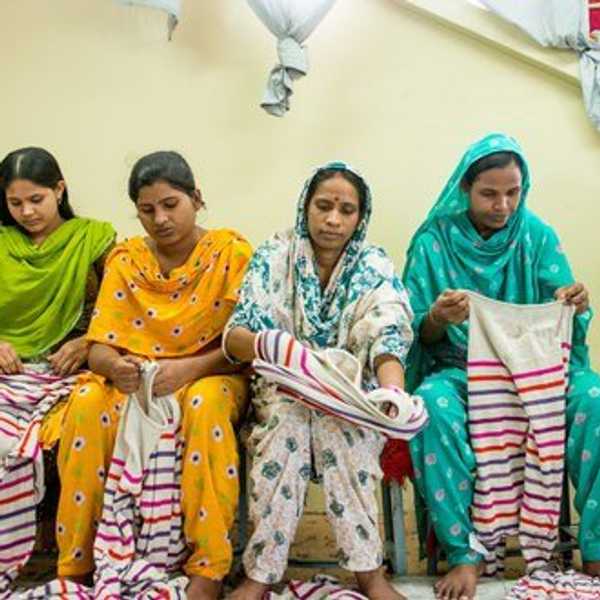
The term "sweatshop factory" was extensively used during the 1970-90s to draw attention to the terrible conditions workers in factories throughout the developing world were being exposed to.
The problem is that this still exists in the 21st Century, and although many companies have worked hard to implement standards and regulations that ensure greater safety of these workers, there are still many that fail to comply or meet appropriate standards.
There should never be any debate within this discussion about the level of safety that should be met. It is undeniable that the conditions of workers within the developing world, should reflect that of the developed.
What about the environment and how is it impacted so heavily?
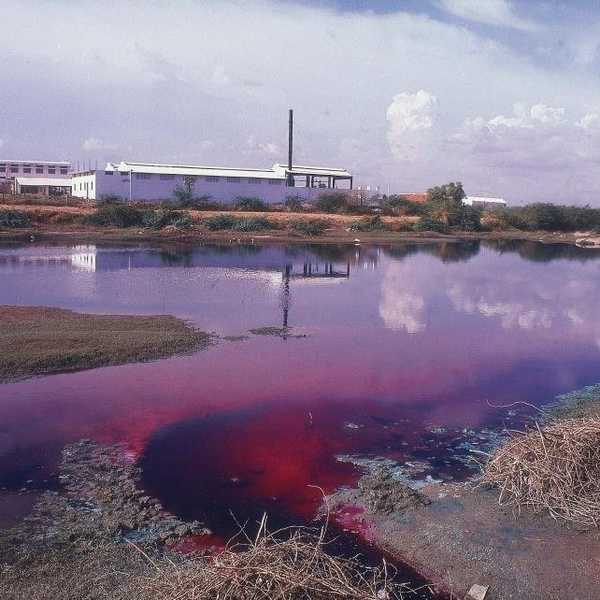
The use of pesticides and fertilizers on cotton fields is severely detrimental. Using high levels of chemicals in such open spaces increases the chances of damage being done to surrounding ecosystems.
The overtly high demands for cotton and other materials from the fashion industry means farmers must use greater portions of chemicals that essentially abuse the environments nature process of growing. This is all in an effort to increase supply and meet the ever increasing demand the industry now calls for.
Why is it OK to exploit the less fortunate or environment to see our own profit or gain? Capitalism is the problem.
A system that functions primarily on profit and margin, what capitalism fails to take into consideration is the human and environmental implications. Surely, there are fundamental flaws in a system when its main objective is to bring a select few ‘up’ wile pushing the rest down.
It seems logical that big companies across the developed world realize that the cost of labor in their country of origin is far higher than the likes of countries such as Bangladesh or China in the developing world.
Why wouldn’t they take advantage of such a disparity? The problem individuals and socially responsible companies now continue to battle with is supply and demand.
Granted this model is rational, the problem isn’t its rationality, the problem lies in what is being demanded. As it currently stands, many people are unaware of the implications their purchasing can have, and so they continue to make blind decisions regarding their clothing.
Majority of consumers within the developed world are concentrated on purchasing items that they can afford and so the main focus is cost.
The greatest value for the cheapest price. But what is often being forgotten is that every time an individual scans an item at the store they are voting. They are voting for that piece of clothing, yet even more so they are voting for a certain kind of ethic behind the item.
If you chose brands that have been proven to be socially responsible, both with regards to preserving the environment and ensuring prosperity and safety of workers, then you are making a moral judgment.
It is my belief that this moral judgment should be viewed as superior to that of a brand that does have these same considerations. Thus, if many more people began to make increasingly morally conscious decisions, then a shift in paradigm would occur and instead of feeling satisfied with that new $20 jacket, we would become fulfilled knowing our $70 jacket, that despite costing more, meant we were apart of a system that was ethical and did the right thing by all.
So next time you’re out looking for new clothes, consider the brands you’re buying and whether or not you really need that new pair of pants!