Fashion is something that I only recently took an interest in. I’ve never been a trend setter, and could probably spend a bit more time coordinating colors and ironing, but my interest in fashion stems less so from wanting to be a runway model, and more toward the destructiveness of the industry and its impact on our planet.
Fashion is the second most polluting industry in the world, right behind oil and natural gas. I first heard this statistic from my geography professor during my first semester of college. I couldn’t believe it, so I did some research, and was flabbergasted at what I found. From scholarly journals and documentaries to articles from the Washington Post and Forbes Magazine, this statistic had become a mantra of those lambasting the fashion and textile industries for their negligence. The fashion industry has a terrible environmental track record and still uses many of the same techniques and processes from the Industrial Revolution, something that occurred almost 200 years ago. There’s a host of problems concerning the industry, employees, and corporations that could be discussed, but the goal of this article is to highlight just a few of the most pressing of those concerns.
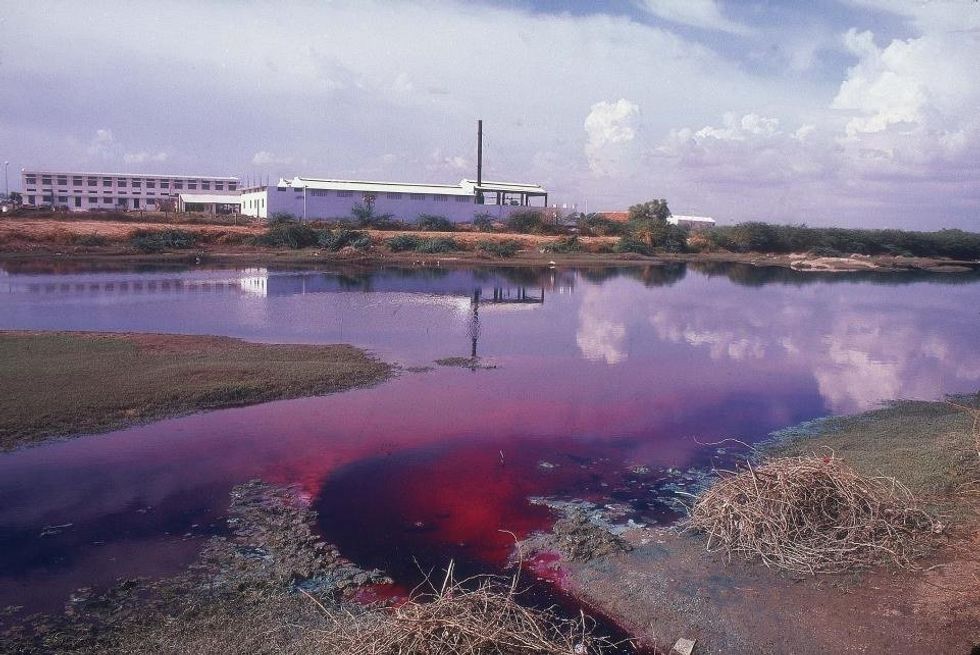
First, water supplies are severely polluted by the use of heavy chemicals. In factories in India, China, Vietnam, and Bangladesh, where many of our clothes are made, local rivers and streams are polluted by the toxic dyes used to color the fabric. A quick Google search will bring up images of entire rivers and deltas dyed hot pink, neon green, or midnight blue, illustrating to the viewer the color in style that season based on the amount of dye discharged back into the local water supply. That water then seeps underground and can destroy thousands of acres of farmland, poisoning crops, and increasing the risk of psychological and neurological damage to those who consume the toxic water or food.
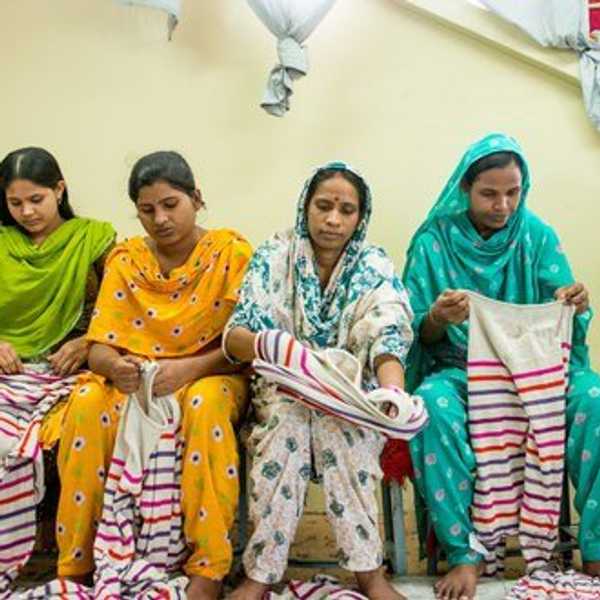
Second are the working conditions endured. In the United States, sweat shop workers are usually immigrants from as far away as El Salvador, working long hours in dilapidated warehouses and factories. Upon arrival in the U.S., many of their documents are taken by their employers which leaves them legally trapped. If they try to unionize and fight for their rights, they can easily be deported and separated from their families. If they stay, they’ll endure extreme poverty. By contrast, in China, roughly 300 million of its own people, equivalent to the entire population of the U.S., participate in the largest internal migration in the world, leaving their homes in the interior to work in the garment factories in Shanghai and Guangzhou. Many families are constantly separated with parents only being able to return home and see their children during the New Year celebrations. One news story which made headlines concerning the health and well-being of garment workers, focused specifically on Bangladesh. In 2013, the eight-story Rana Plaza building in Dhaka, Bangladesh collapsed. Over 1,000 people perished and more than 2,000 were injured. It went down in history as the worst garment factory disaster ever.
Third is the impact consumerism has on mental health. Fashion behemoths like Zara’s, H&M, and Forever 21 spend massive amounts of money on advertising on all platforms in order to entice people to buy their apparel. In North America and Western Europe, two regions where people have lots of disposable income, this has led to a rampant increase in meaningless, wasteful consumption, which in turn has increased levels of stress, anxiety, and depression among these populations.
What occurred at the Rana Plaza is disturbingly similar to what occurred 100 years ago at the Triangle Shirtwaist Factory fire of 1911 in New York City. Though the Rana Plaza collapse was on a much larger scale with more devastating losses, both events illustrate how in 100 years, the world’s garment and textile industries have made very little progress. In order to instigate change in our communities and around the globe, we as consumers must realize the part we play in this cycle of destruction when we demand a pair of cheaply made jeans for $8 dollars. Focus on the value of the item, not its price; but, focus more so on the people who made those items, for their lives are invaluable.