
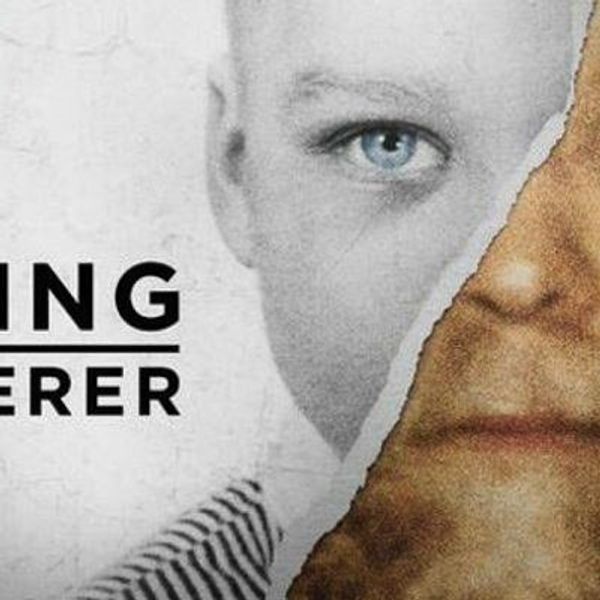
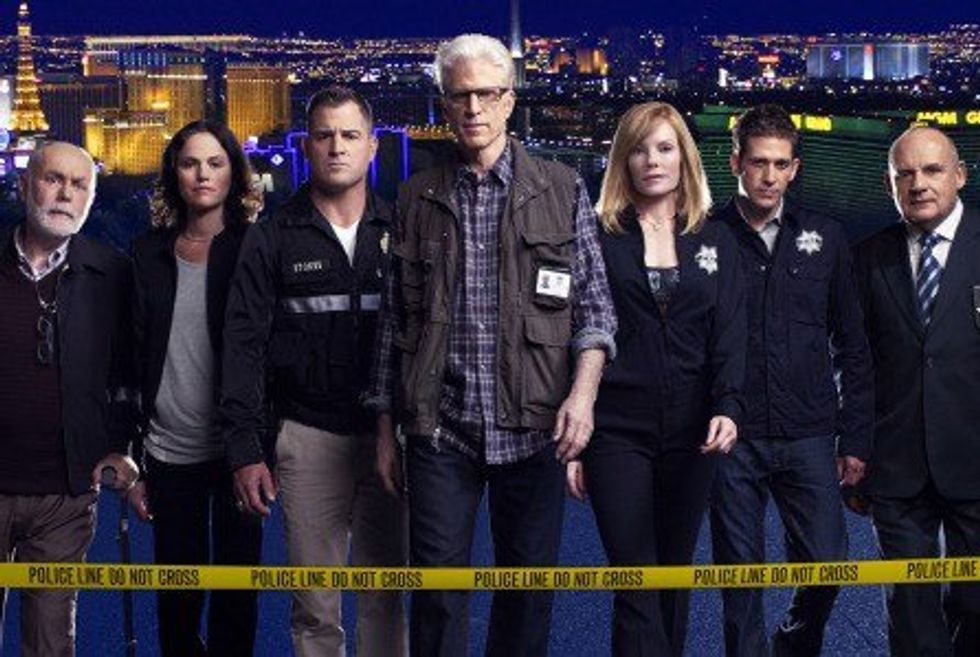
The "CSI" effect is the idea that crime and law-based television shows, such as "CSI," affect jurors in a way that biases them during a trial. The bias is not necessarily towards the defense or the prosecution, but rather that they feel they cannot convict beyond reasonable doubt that the defendant is guilty. They require additional scientific tests before they are willing to convict. While it has occurred that the extra tests have resulted in the release of an innocent person, they have more often led to the acquittal of somebody who was certainly guilty, or, at the very least, a waste of resources.
From that summary alone, the "CSI" effect sounds like it has the potential to mess up the justice system. However, Hon. Donald Shelton conducted a study in 2008 to try to determine the magnitude of the "CSI" effect. What he found was that people who watched "CSI" didn’t actually have expectations of the research that were any higher than people who rarely or never watched "CSI" or any similar show. In fact, their expectations seemed to be more appropriately concentrated – for example, not expecting ballistics reports for every crime committed.
The "CSI" effect may actually have more impact on the scientists involved in cases. Many forensics departments have started performing tests that are completely unnecessary to the case. They perform them as a way to combat the "CSI" effect before it can actually impact the case. This wastes the lab’s resources and the scientists’ time – both of which most forensics departments are already low on.
I know that I’ve been a victim or, more likely, a willing participant of the "CSI" effect. Though I’ve never actually watched "CSI," I have watched all 10 seasons of FOX’s "Bones," a show that emphasizes solving crimes through scientific evidence. Prior to taking a forensic science class, or even thinking about forensic science in terms of real-world cases and applications, I felt that I actually knew quite a bit about forensic science. I’ve had a few conversations with a close friend who also watches "Bones" about how we really felt like we were learning from the show. And maybe we were – but it’s that kind of over-confidence in the accuracy of a television show that leads to the real dangers of the "CSI" effect.
While the "CSI" effect is dangerous, it isn’t really in the expected way. Rather than contributing to actual hesitation to convict in the part of the jury, it’s wormed its way into the fears of the scientists involved in the case. It seems to have more impact in wasting the precious resources of forensics labs around the country. Until either the labs receive more funding, or they stop performing unnecessary tests, the "CSI" effect will still be threatening.

















