This is the second article in my series in which I will attempt to explain the cosmic perspective that I learned during a lecture from astrophysicist Neil Degrasse Tyson. In the last article I discussed human egoism in regards to life on Earth. The next topic Neil moved forward to is human egoism in regards to space and the universe. This topic makes me wonder if we really are as special as we think, or are we truly insignificant?
In regards to the cosmic perspective, we are insignificant in essence. This is because of what we are made up of. The known universe is made up of all of the elements on the periodic table of elements. This is why Earth shares the same materials as the sun. The sun contains hydrogen and helium. Hydrogen makes up about 90% of the known universe; this is why stars use hydrogen during nuclear fusion to produce massive amounts of energy. It is the most abundant element in the universe, followed by helium, oxygen, carbon and other. Much like the universe, the most abundant elements in the human body are the same. This means that the universe is in all of us much like we are all in the universe. It is a truly incredible idea to think about. We feel as though we are so special and so entitled when in reality we are made of the most abundant resources in the solar system, galaxy and universe.
This is beautiful because it shows us that we are in the majority; we flourish because we are plentiful. Neil Degrasse Tyson argues that it is not what makes us different that makes us special; it is what makes us the same which truly makes us special. This I can agree with — yes, we all are slightly different in DNA and yes we all have slightly different variations in what we think, do and believe. In the end however we are all much closer than we are separate. One can argue that because we are alive and are not rocks or plasma that makes us special. After all, we have yet to find life anywhere else in the universe. To that I will simply tell you to look at the Drake equation. Basically this equation suggests that, mathematically, it is impossible that there is no other forms of intelligent life in out galaxy. This equation is by no means an accurate equation as there are too many variables to count (especially in the last four parts of the equation) however, it does call to question the undeniable fact that life is not as uncommon as our ego would have us believe.
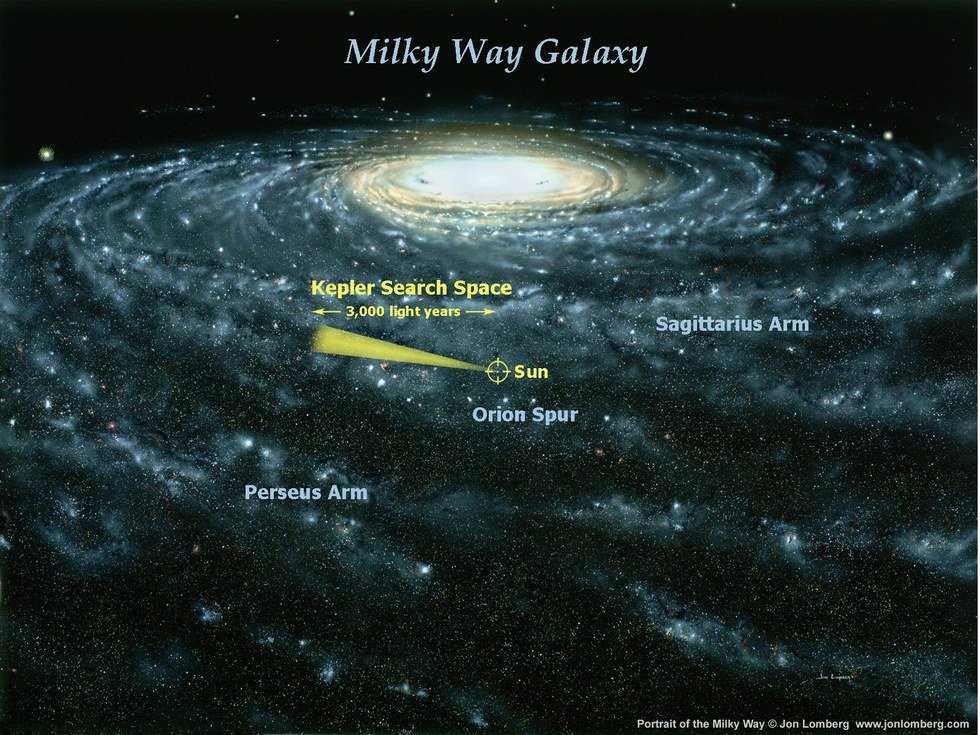
Now in regards to our universe in its entirety; we are even smaller in meaning and worth. In the grand scheme of things we are a pale blue dot in a very small section of an infinitely growing universe. The universe is believed to have began over 13 billion years ago. According to the Big Bang Theory, the universe is still expanding. This means that in each passing second the universe is spreading farther and farther apart. So far even, that there is more star clusters and galaxies in our universe that we still do not know about simply because their light has not reached us yet. The oldest star cluster that we have found to date is still over 400 million years younger than the universe. In out own galaxy alone, the Milky Way Galaxy, we are one star system out of around 300 billion. Our neighboring galaxy, the Andromeda Galaxy, has about one trillion star systems in it. If that doesn't put our existence into perspective I'm not quite sure what will.
This is a truly beautiful perspective that to a certain extent I understood before I had the privilege of seeing Neil Degrasse Tyson lecture. However it never truly hit me until after his lecture of just how beautifully insignificant we are. That the possibilities of life on other planets are so numerous it is impossible to even imagine. However the cosmic perspective does go further than that, which brings us to question exactly how small are we in comparison to the universe's infinite possibilities? Also, if the universe makes more than one of everything, what else could possibly exist beyond our comprehension? All of this I will discuss in the next article on the cosmic perspective.