
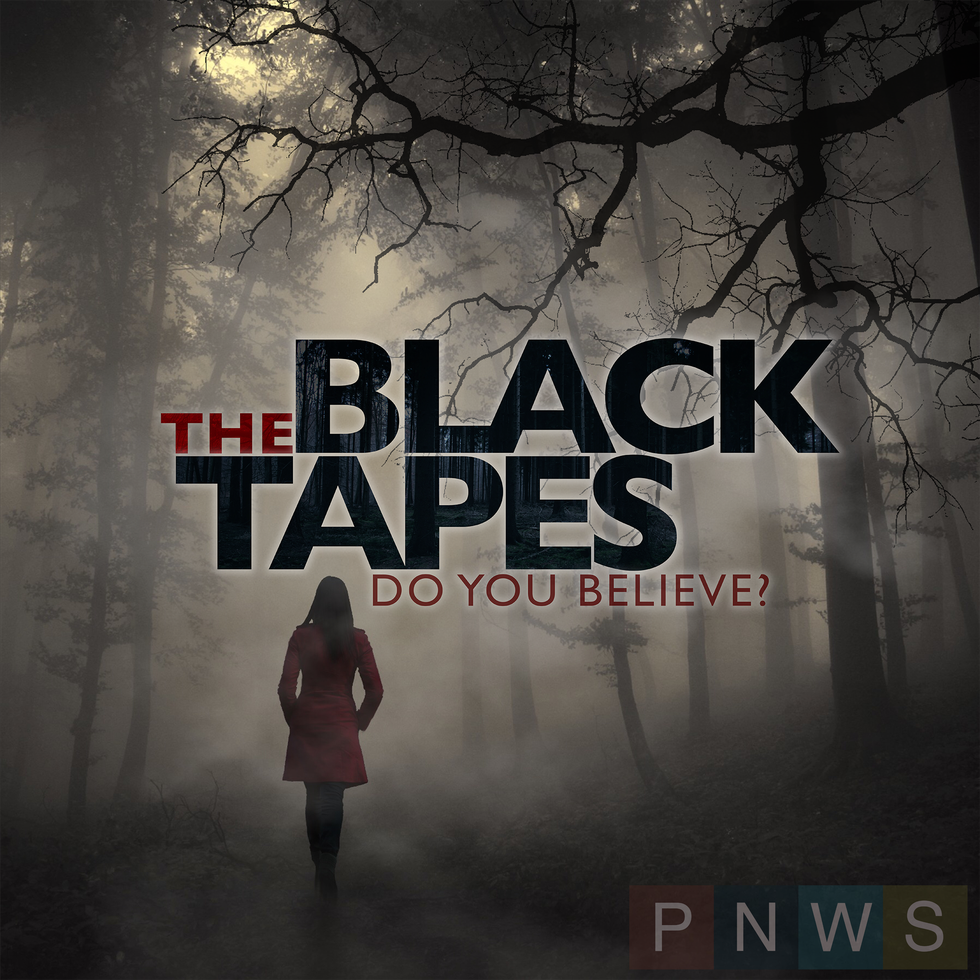
If you haven't yet heard of the sensational indie podcast, The Black Tapes, from Pacific Northwest Stories then I am both sad for you and also excited. Excited, because you still have the entire two seasons ahead of you. Voted iTunes best of 2015 (for those of you not drinking the Apple Kool-Aid, check it out on Stitcher), TBT is one of those instant classics, like The Walking Dead, that only takes one episode to immediately descend into binge-watching. As this article from The Atlantic suggests, TBT is part of a new medium-genre called the "Horror Podcast." Building on the recent horror genre renaissance in television (TWD, American Horror Story), the podcast is unique because it takes advantage of the digital storytelling medium to return horror, with a twist, to its roots as a mode of communicating to others that stakes of straying from the good and the righteous. As written in The Atlantic article:
The Black Tapes, Lore, and their peers bring their listeners back to the intimate simplicity of the bonfire and offer a break from the glow of digital screens.
Stephen Asma, a philosophy professor at Columbia College Chicago, is cited in the article as follows:
An oral horror story is uniquely able to trigger those contagious feelings [of fear, anxiety, etc.] in the audience, because the voice and the face are the best communicators of emotion.
On my view, however, TBT offer something to digital horror storytelling that is unique to every other podcast, or to other more multi-sensory genres such as television. Specifically, it plays at the intersection of fiction and non-fiction in a way that they do not. TWD and American Horror Story, for example, are entirely fictional: ghosts and zombies are real, supernatural events color the entire metaphysical realm, and there is very little concern (except for some mild attention to the issue in the first season of TWD) over the hows and whys of these departures from the norm. The Black Tapes aren't like that. They are entirely, at least as far into Season 1 as I have gotten, non-fictional...except when they aren't. As The Daily Dot summarizes:
The podcast borrows much of its inspiration from "real" paranormal events and artifacts, from the urban legend Slender Man to medieval Satanic mythology. Some of these details will undoubtedly be familiar to horror fans, but the documentary format and creepy atmosphere are more than enough to make Black Tapes frighteningly addictive. In an email interview, we spoke with creators Paul Bae and Terry Miles. In order keep the mystery alive, they never admit that The Black Tapes Podcast is anything less than real.
And that is just the sort of general attitude about TBT...it is entirely investigative, skeptic, and detail-driven; it follows to a T the kind of investigative journalistic ethos that one expects, suggesting, at any moment, that the trick will be uncovered and the Scooby Doo ending descend. But that never happens. And there is the sense that not only are the Black Tapes entirely real (even the main characters have active websites and Twitter feeds) but also that the ghosts might likely also be part and parcel to our everyday sense of normality.
Thus, the catchphrase of TBT is as compelling as it is necessary in an age where our ability to integrate truth and fiction in creative ways has been dulled by the likes of reality television and No Child Left Behind: Do You Believe?

















