County fairs have been an important pastime for several years. In fact, the earliest record of a fair in America started in 1811. You can read more about the interesting history of fairs at this website. Each county is different and has something unique to offer, but the following is a list of some of the more common sights, sounds, and events in alphabetical order.
A is for Agriculture.
Agriculture is one of the biggest industries in America. County and State fairs are a wonderful place to showcase the hard work and dedication people have for the business.
B is for Baking.
Domestic baking was one of the first contests at fairs and it continues to grow in popularity. B can also stand for bantams, barrel racing, and bull riding.
C is for Cattle.
The cattle industry is a booming sub-category of agriculture. At county fairs, you will most likely see dairy cattle, beef cattle, and dairy-beef feeders. C also stands for chickens, crafts, and crops.
D is for Demolition Derby.
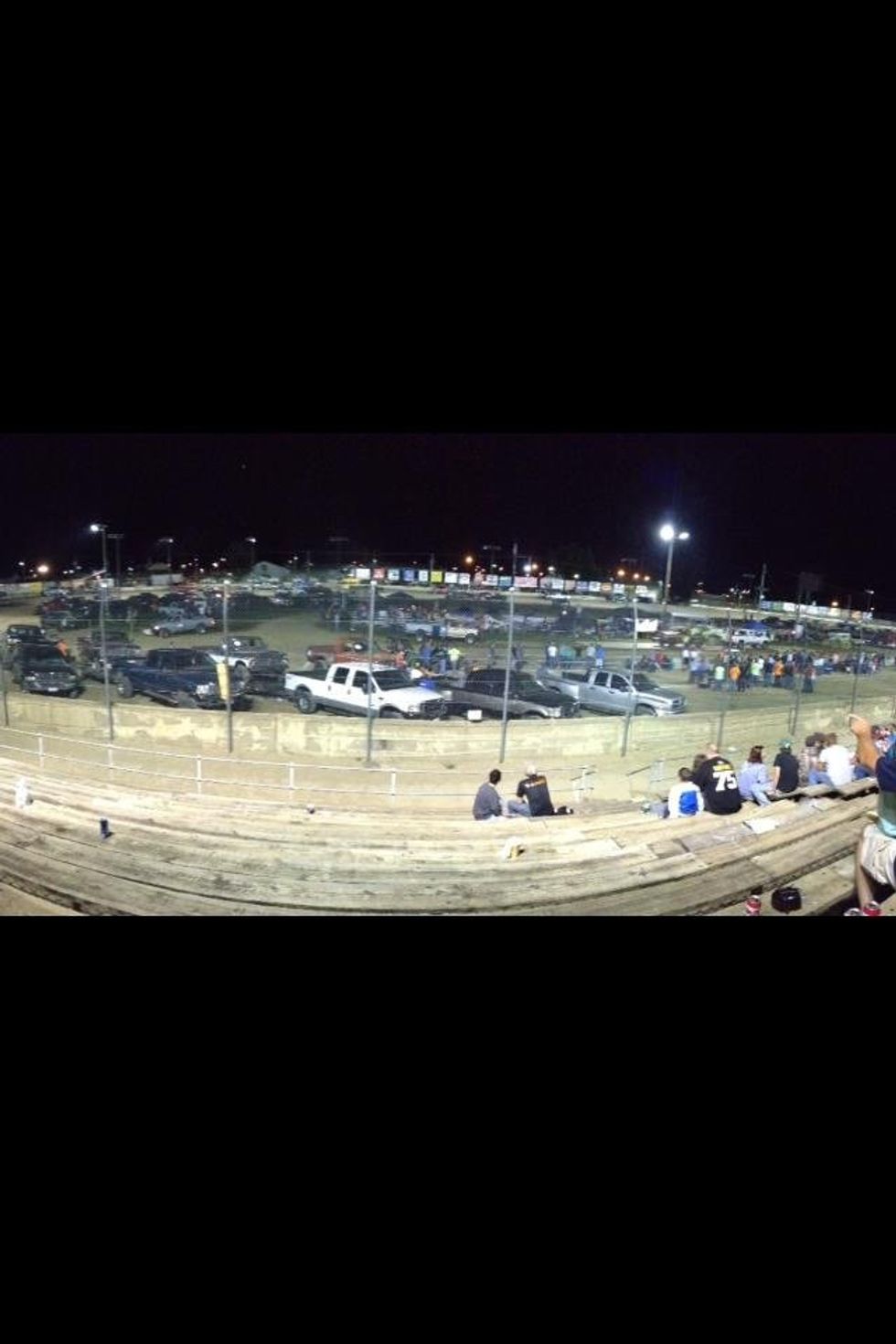
The demolition derby is a popular event which features drivers running their vehicles into each other to compete for the last vehicle being successfully operated. Demo derby's can consist of cars, trucks, lawn mowers, and even combines. D might also be used for ducks.
E is for Entertainment.
There is constantly something going on during the fair week. County fairs can offer live entertainment, concerts, face painting, and so much more!
F is for Fair Food.
The sizzle of food being cooked, the smell of funnel cakes, and the mouth-watering taste of deep fried Oreo's. The county fair is the best place to find a variety of foods to meet your cravings. County fairs have lots of other things that being with F such as Ferris wheels, friends, family, florticulture, and organizations such as the FFA and 4-H.
G is for Goats.
Goats can be seen at your local county fair and their milk can be used to produce cheese. G can stand for geese, too.
H is for Horses.
Horses have been useful to mankind for numerous years, especially for transportation. In more recent years, horses have been judged at county fairs for their agility and they have been used in harness racing. H also stands for history and horticulture.
I is for Ingenuity.
County fairs have integrated the newest technologies when it comes to safety and making sure that audiences have fun.
J is for Judging contests.
Contestants have taken a year to prepare for the week at their county fair. From taking care of their animals, to raising their crops, to taking pictures, there are contests for any interest.
K is for King and Queen contest.
A county fair would not be complete without their fair royalty. Throughout the fair, the royalty makes special appearances at judging contests and grandstand events. They also travel to other local county fairs.
L is for Learning.
The best part of the fair, to me at least, is the opportunity to learn. By observing people, animals, fair projects, and the entertainment, it's interesting to see what others have to offer. L can also stand for laughter and local business.
M is for Making Memories.
My best memories from when I was younger was going to the local county fairs. My grandparents would often take me to the fair to see the animals, enjoy the rides, and listen to the music.
N is for Nostalgia.
Along with making memories, there is a sense of nostalgia that comes with the week at fair. There is a historic presence that is wonderful to discover.
O is for Opportunities for growth.
As mentioned before, learning is a big part of the county fair. With organizations such as 4-H and FFA, participants get the chance to improve their communication skills and they will gain knowledge that will help them in the future.
P is for Pigs.
The swine industry is another important industry in agriculture. Animals are also distinguishable by their breeds. Some of the breeds associated with pigs include Hampshire, Yorkshire, Duroc, and others. P can also stand for poultry, pigeons, photography, produce, and ponies.
Q is for Quilts.
Another popular category at the fair are the quilts. Sewing, crocheting, and other hand-made goods were also present at some of the first fairs.
R is for Rabbits.
In rabbit competitions, one of the things that they can be judged on is their physical characteristics. R can also stand for races and rides.
S is for Sheep.
Sheep can be sheered for their wool and can be herded by herding dogs to be moved from one area to another or to one pasture to the next. At some fairs, sheep handlers might give a public sheep sheering event where the public can witness the process.
T is for Tractors.
For me, this is one of the main attractions I visit. Oftentimes, county fairs will have an antique tractor display and it's interesting to see how tractors have evolved over the years. County fairs might also offer tractor pulls and tractor square dancing. T can also stand for turkeys, truck pulls, and trailers.
U is for Upkeep of tradition.
County fairs have continued to be relevant events. They bring people together and offer something for everyone. In addition, some fairs might have an opening ceremony tradition that they incorporate into their display.
V is for Variety.
Each day of the week, there is a new contest, activity, or event. They offer activities for children all the way up to senior citizens.
W is for Week of activities.
It is truly a week of non-stop activity and many times people will camp at the fairgrounds so that they can be there for each day. Some people wait the whole year for the week at fair.
X is for eXcitement.
There is never a dull moment at the county fair and it can usually be felt from the rush of excitement from the people around you.
Y is for Youth involvement.
With the judging contests and other activities offered at the county fair, youth get to have a hands-on experience with animals and agriculture in general.
Z is for petting Zoo.
Finally, oftentimes a county fair will offer you a chance to pet some baby animals or pets. Some of these animals might include calves, ponies, cats, dogs, hamsters, bunnies, pygmy goats, and lambs.