
To think, I had one of the lucky ones... I could have been disposed of in a dumpster or even a public toilet...

While scrolling through Buzzfeed one afternoon I saw a headline for particular article instantly caught my attention. It was titled “Horrifying Images of A Baby Found Alive in A Chinese Toilet”. All adoption holds a special place in my heart but particularly so Chinese adoption.
I was adopted from an orphanage when I was 6 months old. When my adoptive parents came to China to get me, they asked the caretakers in the orphanage about my story. The nanny said the police found me on a library door step. They were not sure how old I was, or how long I had been on a step of the library.
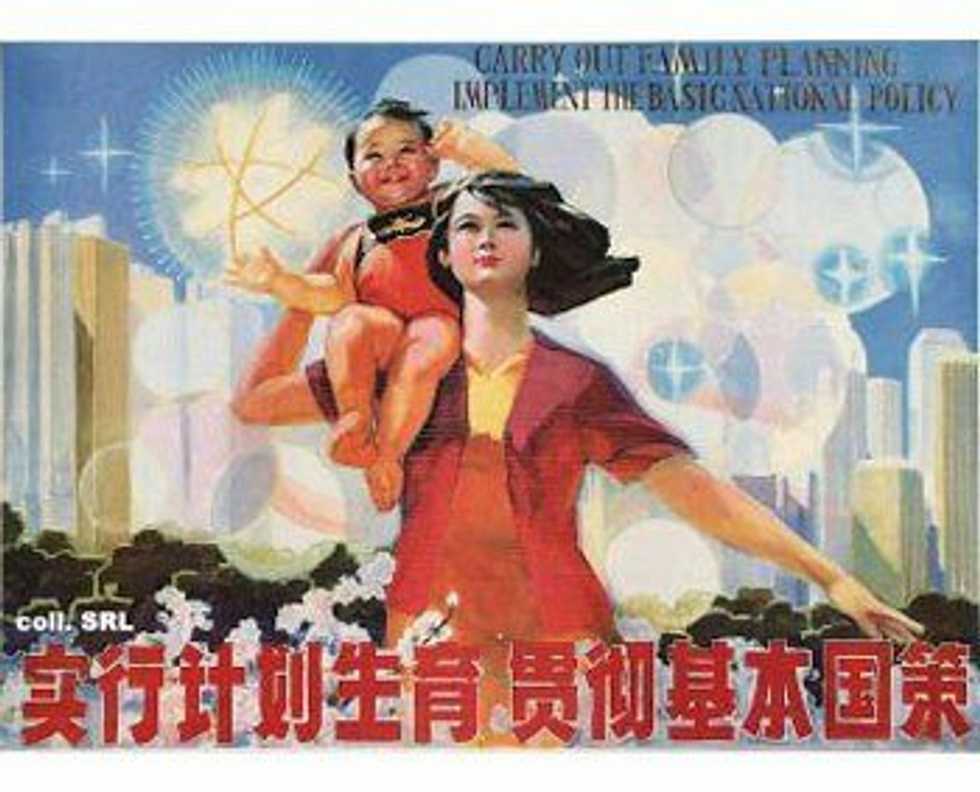
In 1980, the Chinese government implemented the “One-Child Policy” in an attempt to reduce China’s drastic population growth. The policy stated each married couple may only one child. the consequences of having more than one child varied by provinces. the number of children a family had was monitored by a birth permit, which the parents were required to apply for before a pregnancy.
A woman who became pregnant without a permit would be pressured to abort the pregnancy, and knew that any child without a permit would be denied education, healthcare, and marriage. Many provinces fined families with more than one child, some fines as much as three times the average annual income, and families who could not pay would be sent to prison or their houses would be set on fire. If a woman was brave enough to ignore the myriad of horrific consequences, she was often incarcerated. If she refused to submit to the law and tried to leave the province or country while pregnant, her relatives would be held accountable and frequently beaten. If this was still not enough, her friends, family and neighbors would be denied birth permits in an attempt to ostracize her. Finally, if by some way, if the woman still resists the pressure, she would be physically beaten to terminate the pregnancy or dragged to an operating room to undergo an abortion.
Due to a family being permitted to only have one child, the gender of the child was crucial. in China, a male children were preferred due to the traditional belief that men would provide security for the elderly, be the breadwinner and are essential for ancestral rituals. Women were viewed as an expense because typically when the daughter was married, her parents offered a dowry to her betrothed. Women were also expected to be subordinate to their father, husband and sons.
Like any other country, it is illegal abandon your child. Due to the policy, many couples wanted to save their one birth permit for a baby boy and many baby girls abandoned. As a result, by 2000, it was estimated that there were 120 males for 100 females; the ratio soars as high as 130 males for 100 females in provinces such as Anhui and Shaanxi. Since the One-Child Policy was made there are an estimated 35 million women “missing” (missing qualifies as anything other than raised in a Chinese home).
Luckily new sex ratio at birth (SRB) were released in 2010, which showed 118 males to 100 females, resulting in 30-35 million more men of marrying age than women by 2020. Nonetheless, due to the drastic gender imbalance, many men in China cannot find brides. As a result, Chinese women are stolen away from their families to be married. Eventually an economic market was created due to the high demands for a bride and women began to be kidnapped and sold to be married to men.
In 2013, the policy was revised to state that married couples may have up to two children if the parents were an only child. It is estimated that the change will lead to approximately 9.5 million new births per year. This revision will not be able to change the tradition and cultural preferences, but it may ease the pressure if a couple’s first child is a girl.