
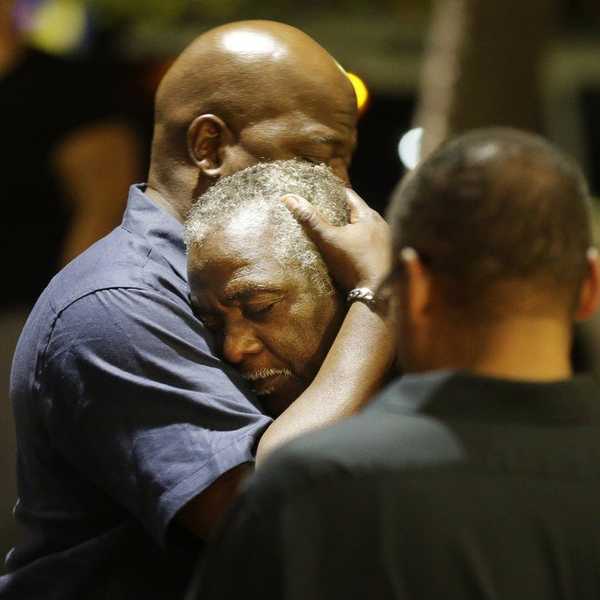
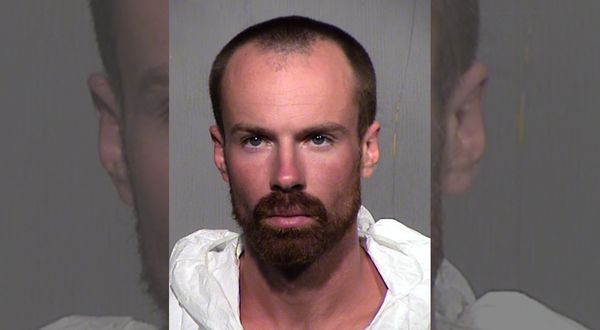
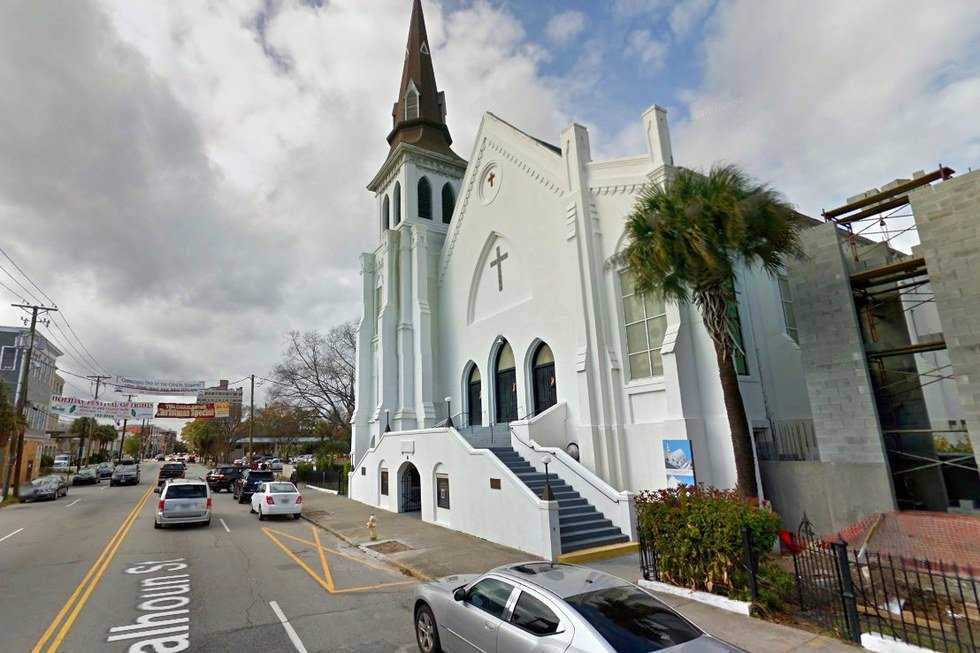
Late Wednesday evening on June 17, the Emanuel African Methodist Episcopal Church (AME) in Charleston, South Carolina was shaken to its core when Dylann Roof opened fire during a bible study session.
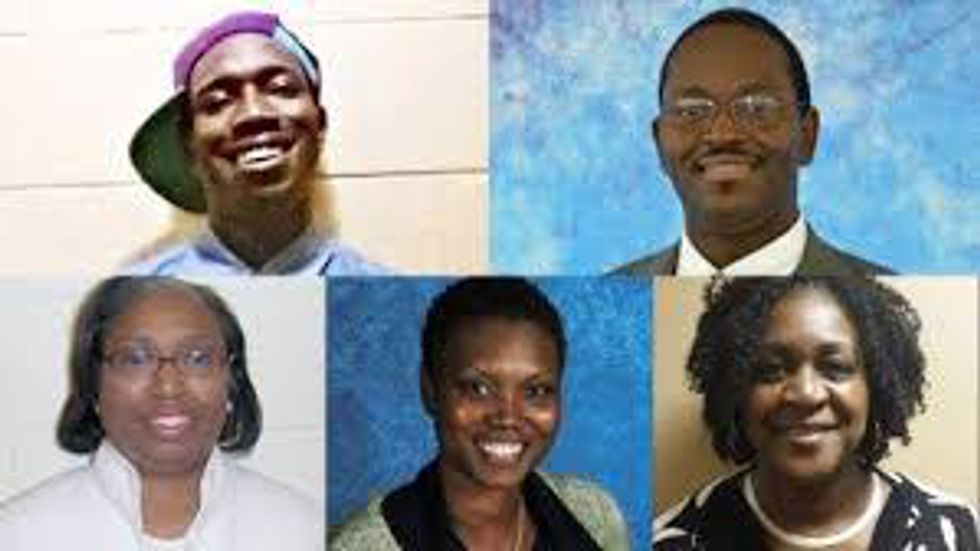
Roof entered the African American church bible session and sat in with the others for approximately an hour. Once the meeting was over, shots were fired and nine people were fatally shot, the victims ranging ages 26 to 87. Eight of the nine victims died on site; one died after being rushed to the hospital. The victims were identified as Reverend and political figure Clementa Pinckney, Ethel Lance, Susie Jackson, Tywanza Sanders, Rev. Sharonda Coleman-Singleton, Myra Thompson, Cynthia Hurd, Rev. Daniel Simmons, and Rev. DePayne Middleton-Doctor.
During the shooting, a 5-year-old girl survived by lying down and pretending to be dead on the floor. She reported that Roof refilled his gun five times while firing at the nine victims, telling the girl that he was "letting her live to tell everyone else what happened" before fleeing from the church. The morning after the shooting, Roof was apprehended by police 250 miles away during a routine traffic stop. He was then flown back to Charleston, S.C., where he could be extradited and receive his charges.
t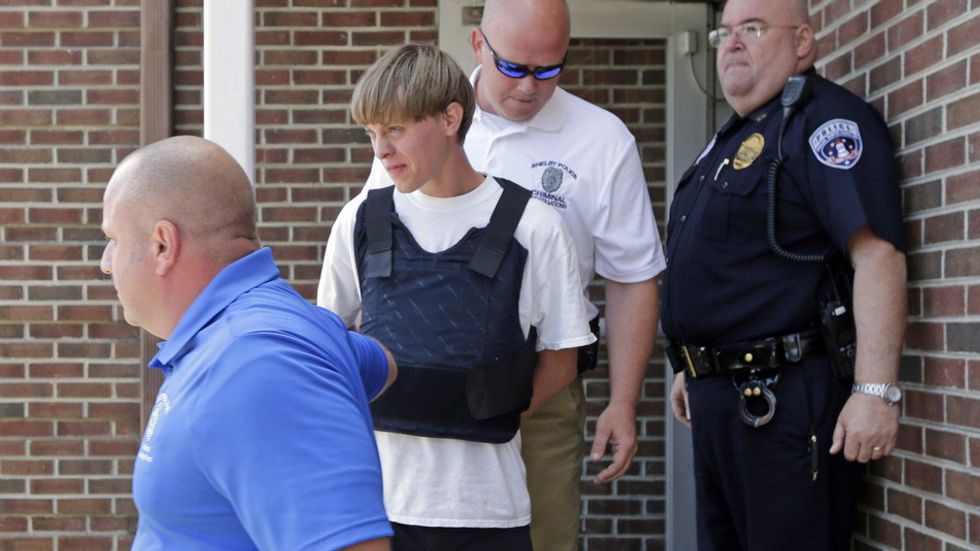
In most cases of mass murders, the true motive and meaning is unknown until later on in the investigation; This is not one of those cases. Roof has expressed to authorities that he came to the church to "shoot black people." In addition to that claim, he expained his discontent with African Americans. "You rape our women and are taking over our country and you have to go," said Roof to the victims of the shooting. With his motives made clear, there is no other way to explain this act as anything other than terrorism.
So, who is this killer? The answer: Dylann Roof is a 21-year-old man who has a past of speaking negatively and being involved in racially fueled incidents. He wants to bring back segregation among blacks and whites. This is exemplified in his profile picture, which features him wearing a jacket with two flags; Rhodesia and the apartheid in South Africa, both which represent white dominance.
With clear evidence that this is a blatant hate crime against African Americans, the media is in an uproar. Roof has been plastered on every screen and newspaper while information about the victims is harder to come by.
Interest into why Roof killed the church members has only fueled the activist community to speak out and explain to the world how severe of an issue hate crimes truly are. People were killed in church, where most people feel they are the safest. On top of that, this was a direct hit to the Black community. This is another obvious validation to the violence that Black people face every day.
However, over the course of the past six decades, at least six predominantly Black churches have came under attack to target the Black community. This has spanned from the Ku Klux Klan burning down churches with people in them to the church bombing in Birmingham, Alabama in 1963 that killed five young girls during the civil rights era.
As we mourn for the ones we lost, and for the families affected, we cannot help but compare this act of terror to others in recent history. More and more questions are rising, most around how the police choose to handle crimes with white male suspects who are taken into custody versus black male suspects who are killed at a significantly higher rate instead of being taken into custody. We are beginning to question the media's blatant disregard of institutional acts of racism in the reporting of this tragic event. We ask why would Roof, a murder suspect, be painted in a more personable light when black victims are shamed?
This incident has every person in America on their toes, waiting to see what happens next. A trial will assign punishment for the crime, but we are really waiting to see if this will change anything. Black people were killed for being associated with a hateful stereotype. When will this violence end? Even more important: when will the acceptance of this violence end?

















