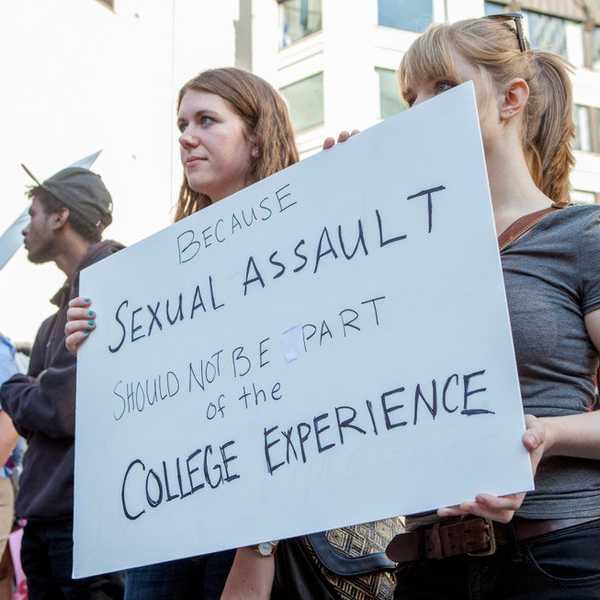

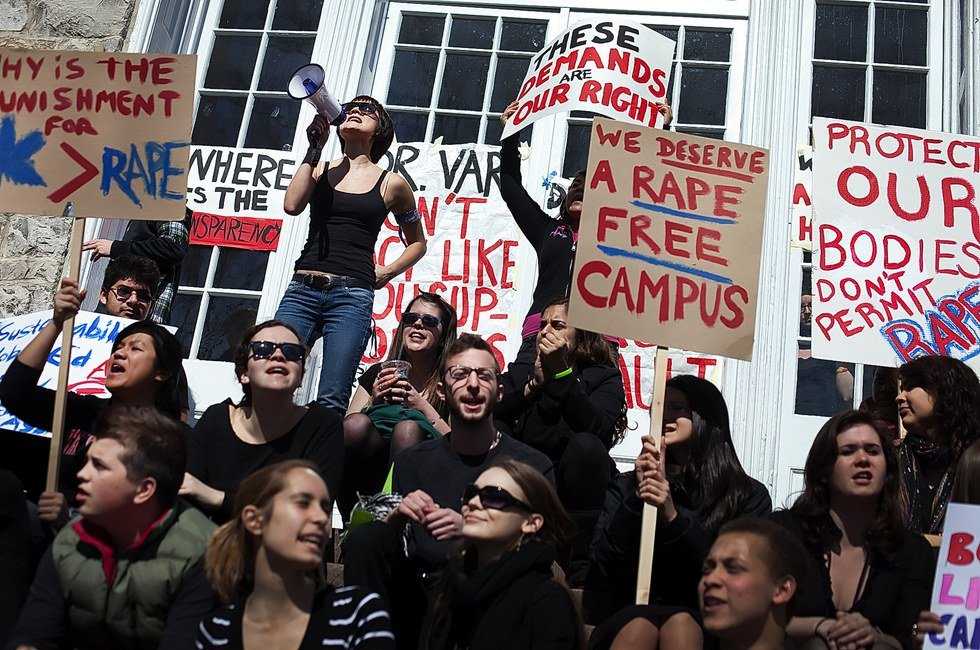
It’s almost August, which means that millions of college students will soon head back to campus. While this is an exciting time, it is also a time to remember that sexual violence is rampant on college campuses. The perpetrators of these assaults are overwhelmingly male — almost 98 percent of female victims and 93 percent of male victims, according to oneinfourusa.org. Usually, we focus on telling college women how “not to get raped,” when we should really teach college men not to rape. Education and awareness about sexual assault are vital to decrease this epidemic on college campuses.
Note: I understand that sexual assault is not just a crime that occurs in heterosexual interactions. However, I will stick to male on female violence for the purpose of this list, because it is the most prevalent form of sexual violence.
1. "Yes means yes" and "no means no"
Consensual sex is any type of sexual behavior in which both parties have agreed. The absence of a no does not imply a yes. If someone has said yes to you before but has not in the moment, it is not consent. If someone is incoherent, they cannot give proper consent. Laws state that a person cannot give consent if they are asleep, mentally impaired or intoxicated. Why does this matter? If someone does not understand the limits of consent, they may be unintentionally committing a sexual assault. Look for a clear yes during any sexual interaction.
2. Be a bystander, hold others accountable
Recently, the news reported that University of Florida football player, Christian Garcia, intervened during an assault in Gainesville. While taking out the trash at work, Garcia saw a man on top of an unconscious woman, intercepted the rapist and called the police. The perpetrator was arrested. This is a positive example of a bystander taking the initiative to help a victim and hold a rapist responsible. You should not just be a bystander when you see a stranger being attacked — if your friends are exhibiting non-consensual behavior, you should also intervene.
3. You are not entitled to sex
No one is entitled to sex. This includes people in relationships. One misconception is that "it's not rape if we're together." You still need to receive proper consent even if you are in a relationship with someone. Additionally, it is never okay to pressure someone into having sex. Respect the decisions and wishes of others — it is a basic human dignity.
4. Alcohol makes things blurry but is not an excuse
Drinking alcohol can inhibit clear communication between two people. Despite this, you cannot excuse bad actions on alcohol consumption. Brock Turner, who was recently sentenced for a high-profile 2015 sexual assault, blamed alcohol for his actions. Instead of apologizing for what he had done, he condemned alcohol for causing him to "make a mistake." Do not use alcohol as an excuse for committing a crime.
5. Do not make jokes about rape
It is common to hear students on college campuses make casual jokes about rape. "I just got raped by that calculus exam," or "that other team f**ked us in the a**" are common phrases I hear on my campus. These are simply unacceptable things to say. Making casual jokes about sexual violence perpetuates the cycle of violence and desensitizes the horror that is sexual assault. If we want to change campus rape culture, we need to change how we speak about sexual assault.