On March 29, 1959, the first ever Barbie doll was introduced at the American Toy Fair in New York City. From then on, the Barbie became the first mass produced doll in the United States with adult features. Over many years, Barbie became a topic of popularity and innovation and also a topic of controversy and backlash.
Advocates for the doll claimed that Barbie challenged traditional gender roles because she was often seen holding different jobs such as a pilot or an astronaut. On the other hand, Barbie was criticized because her appearance held unrealistic standards for girls and women. The traditional Barbie was famous for her tiny waist, big breasts and lushious blonde locks. In popular culture her name even became an adjective for a beautiful person. Barbie became known for her beauty and that wasn't always a good thing.In fact, a 2006 study showed that girls exposed to Barbie reported a lower self esteem and a desire for a thinner body.
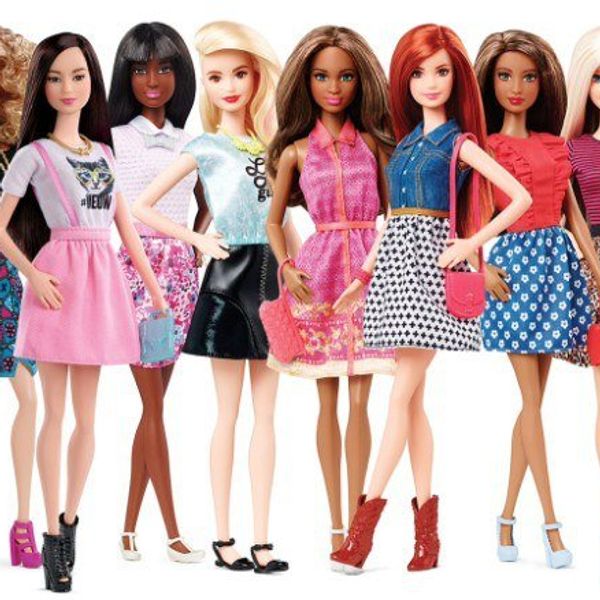
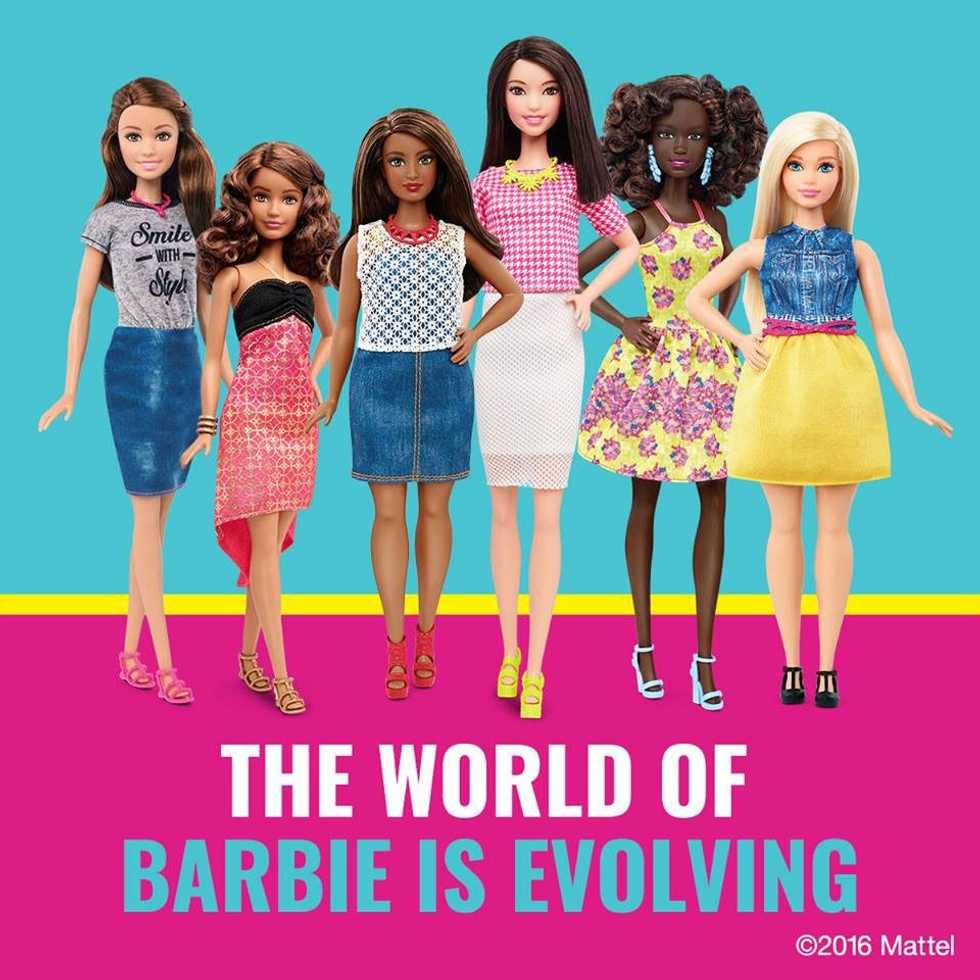
Now, this has all changed. Mattel, the company that owns Barbie, has reported that they're adding three new body types to their doll line: tall, petite and curvy. Mattel assured traditional Barbie lovers that the traditional Barbie wasn't going away, but that now there's going to be room on the shelf for new dolls! Barbie is now also making room for 33 new looks. The new line of looks will include a wider variety of skin tones, hair styles and eye color.
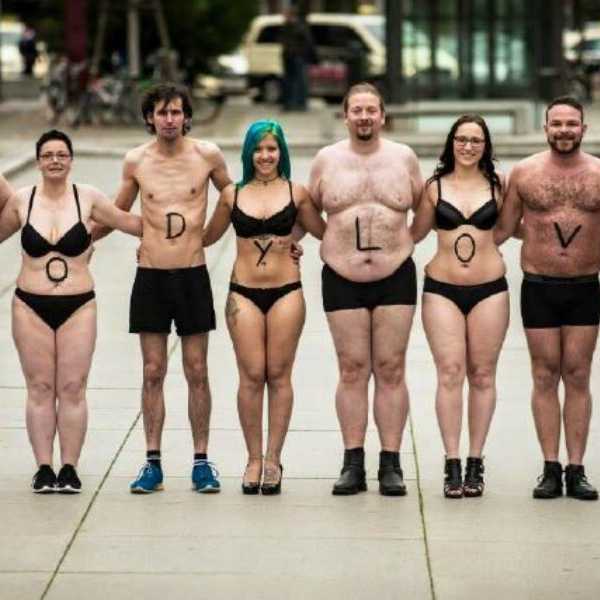
I think that this is an extremely positive move for the Mattel company. We live in such a diverse and unique world, and often not everybody gets represented. This time around, little girls will be able to see dolls that look just like them on the shelf. Hopefully, this time, body positivity will rise. It took many years, but Barbie has evolved, proving that our attitudes and perceptions can evolve as well.
#TheDollEvolves