
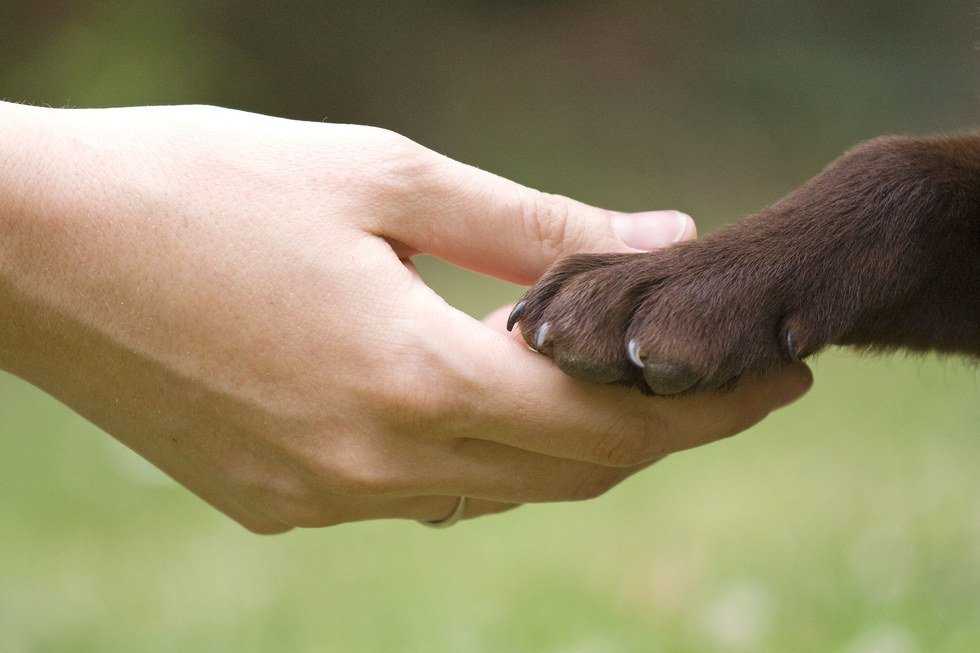
There is a common tendency in the environmental movement to fuse our concerns about resource extraction with our love of animals into a peculiar form of animal rights advocacy. If taking from the environment is bad, then we should not take from any part of it, right? This ends up perverting the value of animal life from a human's perspective, seeing animals as something definitively distinct from humans and thus not meant to mix with humanity. Considering human life and animal life as both one and the same and interdependent fosters a more productive and ethical relationship between the species. I will keep these considerations in the theoretical realm for the time being, but a re-articulation of animal rights no doubt necessitates a reevaluation of its application in many animal institutions such as pet ownership, farming, and animal testing.
The primary argument for species exclusion is that animals have become subordinate to human beings and thus we have a responsibility to go the extra mile and preserve animal life separately from ourselves. The primary antecedent to this is that human-animal interactions necessarily favor the human beings due to our superiority and thus harm the animals. Two key event categories contradict this supposition. First, interactions between other animal species are not only common but are an integral part of the ecological web, even when those interactions are violent and obviously favor one of the animals of the other. Does this justify factory-farming and other egregious tortures of other species? No, but the principle of species interdependence and our uniquely human moral decision-making means we can use these interactions to benefit both parties. This fact subtends the second category, which are positive relations between human beings and other animals. Sustainable farming practices provide shelter, sustenance, and compassionate-interactions for incorporated animals as a positive side effect of its creation of nutritious food for consumers. Additionally, on a principle level this point does not have a clear refutation; Forget traditional domestication, how can one deny the positive interactions between digestive bacteria in our stomachs and the nutrition of the human being?
The alternative to inter-species compassion is human isolationism. The first problem with this idea is that it does not have a real manifestation in the world. I briefly mentioned the value of digestive bacteria earlier, but the extent to which human beings depend upon multitudes of non-human organisms is astonishing, both within our bodies and as a component of the ecosystem. An ideological fracturing of the inter-species community would do nothing more than select specific groups of animals that we choose to isolate from us, not in the traditional animal protection model of isolation but a perpetual segregation from human life for fear of harming them.
It is a tried and true point that inter-species concerns set precedents for human cultural interactions. The often cited point about animal domestication techniques being extended into human slavery is not for nothing, as it reveals that our approach to other species often shapes our first encounters with non-mainstream human characteristics and cultures. With an increasingly globalized world, the ways that cultures choose to interact as they grow closer will likely, whether we like it or not, refer back to our models of engaging with other species. An ideological fixation on segregation, even with the intention of promoting foreign welfare, would not benefit our interconnected world order. A theory of human cultural interaction predicated off of mutual dependency and compassion would manifest a much deeper bond of fellowship over time.