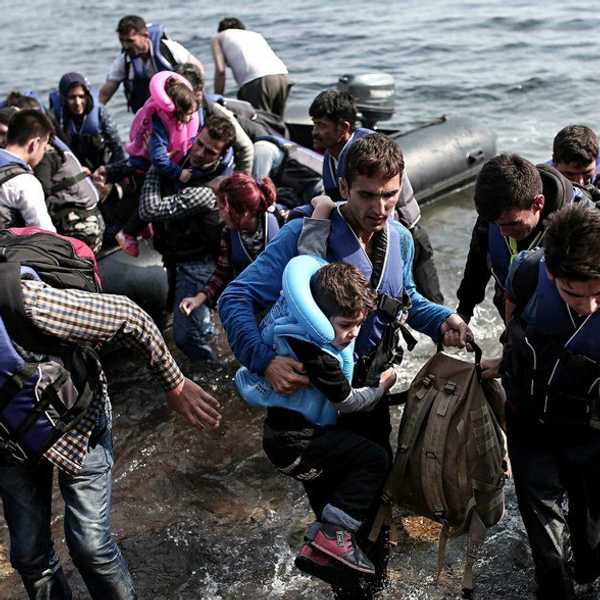
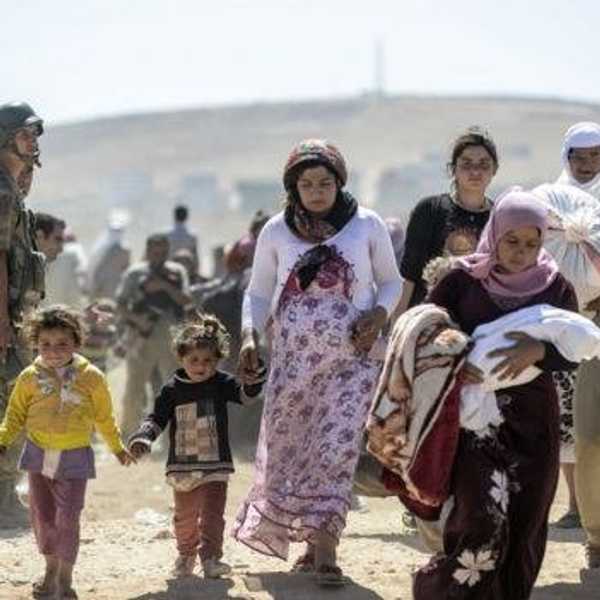
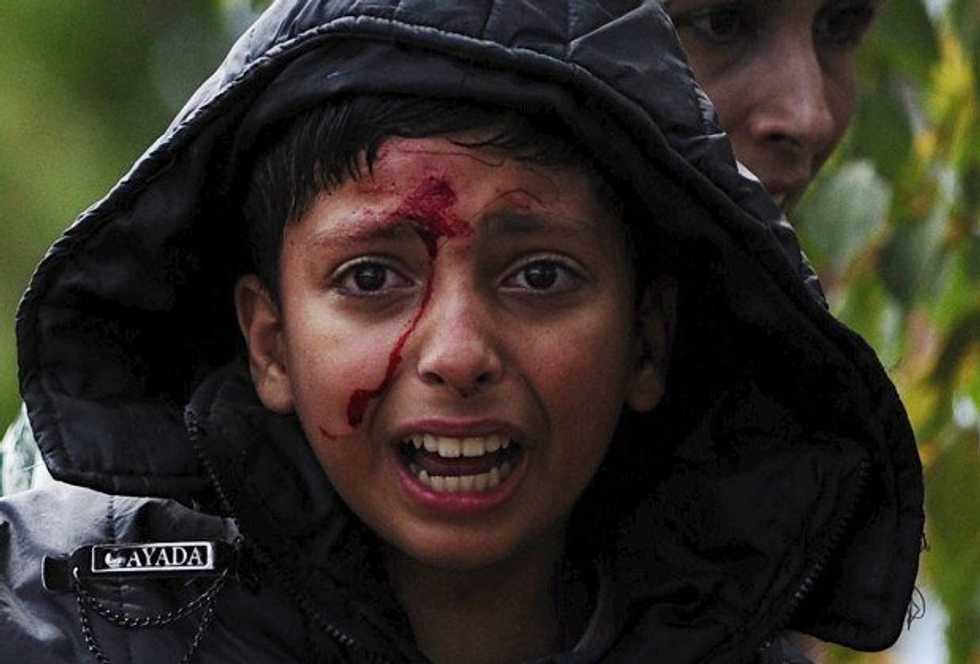
A look at the Twitter feed that emerges under the search term "Syrian refugees" is immediately discouraging. It's disproportionately filled with hate-mongering and blame from Americans. We, as a culture, are hijacking the conversation about refugees on a global scale and creating a national intolerance that threatens their future asylum.
After hours of perusal through various social media platforms in order to hear opinions directly from the source, it seems like Americans against Syrian refugees relocating to the U.S. feel this way for one of two main reasons. First, they understand the federal budget as an either/or situation, meaning that the government can either help Syrian refugees or give aid to [insert downtrodden or deserving group of people here]. Secondly, they equate Syrians with terrorist organizations like Al Qaeda and Isis. For example:
"I will never forget the morning the Towers came down in NY and you want me to welcome Syrian Refugees, go to hell" -- Diann poore (@Ladydiann2) March 5.
But is this really the common American sentiment, or are the dissenting voices just yelling the loudest? And, more importantly, what is this dialogue costing? The answer is uncomfortable. It's costing the U.S. our word. America pledged to take in at least 10,000 Syrian refugees in the fiscal year of 2016, which ranges from September 2015 to September 2016. In the four months since that pledge, we have taken in only 2,174, or just over 20 percent of that pledge after 33 percent of the time allotment has gone by.
"Canada took in 25,000 Syrian refugees in four months. The U.S. accepted 841 in five months" -- ThinkProgress (@thinkprogress) March 1.
Another cause of the problem is that we only learn about Syrian refugees from an American perspective. Rarely do we seek to empathize with the millions of people who were displaced from their homes, not because they wanted to leave, but because their homes aren't there anymore. Their homes are now nothing but rubble and relics. We never hear that Syrian refugees undergo the most vigorous vetting of any nationality of immigrants coming to the U.S. as if they are criminals for being left homeless after a civil war.
One man, popular young adult author John Green, is trying to change that. Green spent about five days telling the stories of young refugees in Za'atari, the largest refugee camp in the world where over 79,000 refugees are living, half of whom are children.
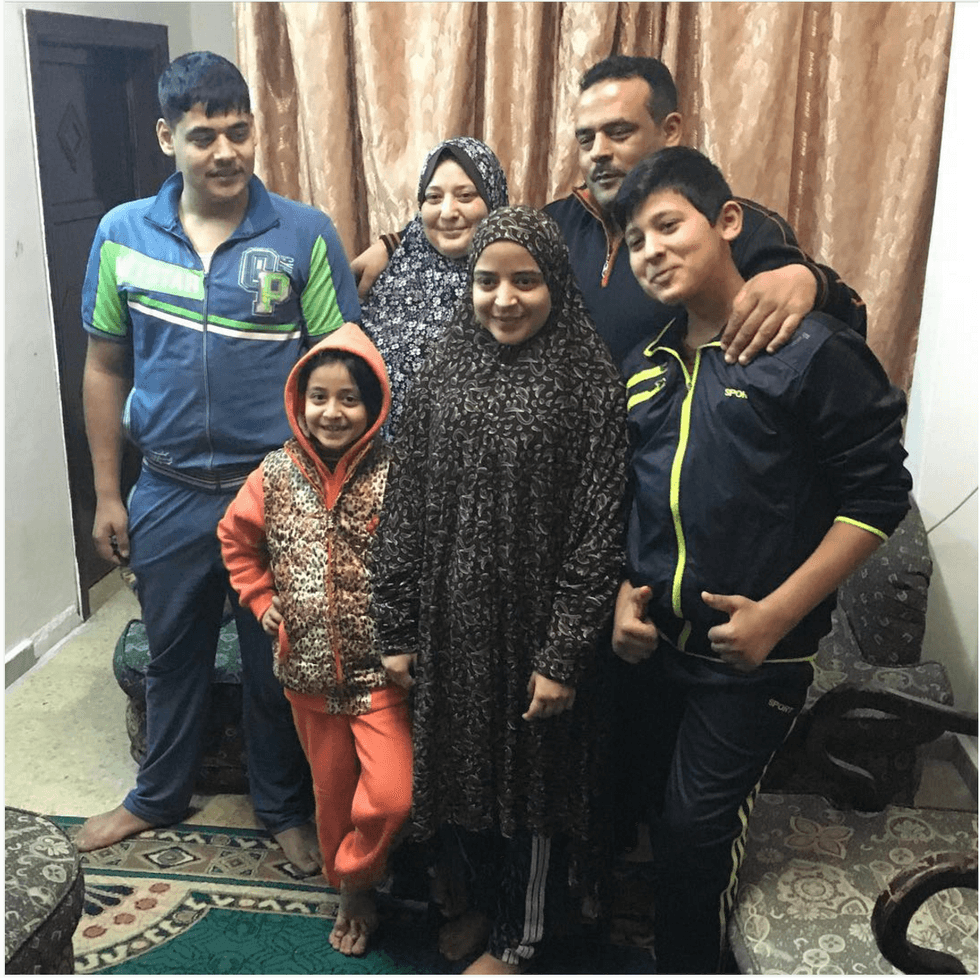
johngreenwritesbooks "Mustafa's family [above], has just been approved for resettlement to the US after more than a year of waiting and background checks. The kids are most excited to return to school after years away because of the Syrian civil war. 'Thank you to the people of America for welcoming us,' said the father." @unrefugees #refugeeswelcome.
Through blog and Instagram posts such as the one above, John Green has been capturing the feelings and desires of these children in their own words as an attempt to bring to light the tenacity and power of spirit exemplified by these children as they attempt to start a new life. Almost every child John spoke to expressed the desire to attend school and learn as soon as possible. These are the human beings that "aren't safe" to come to America. They are children and families.
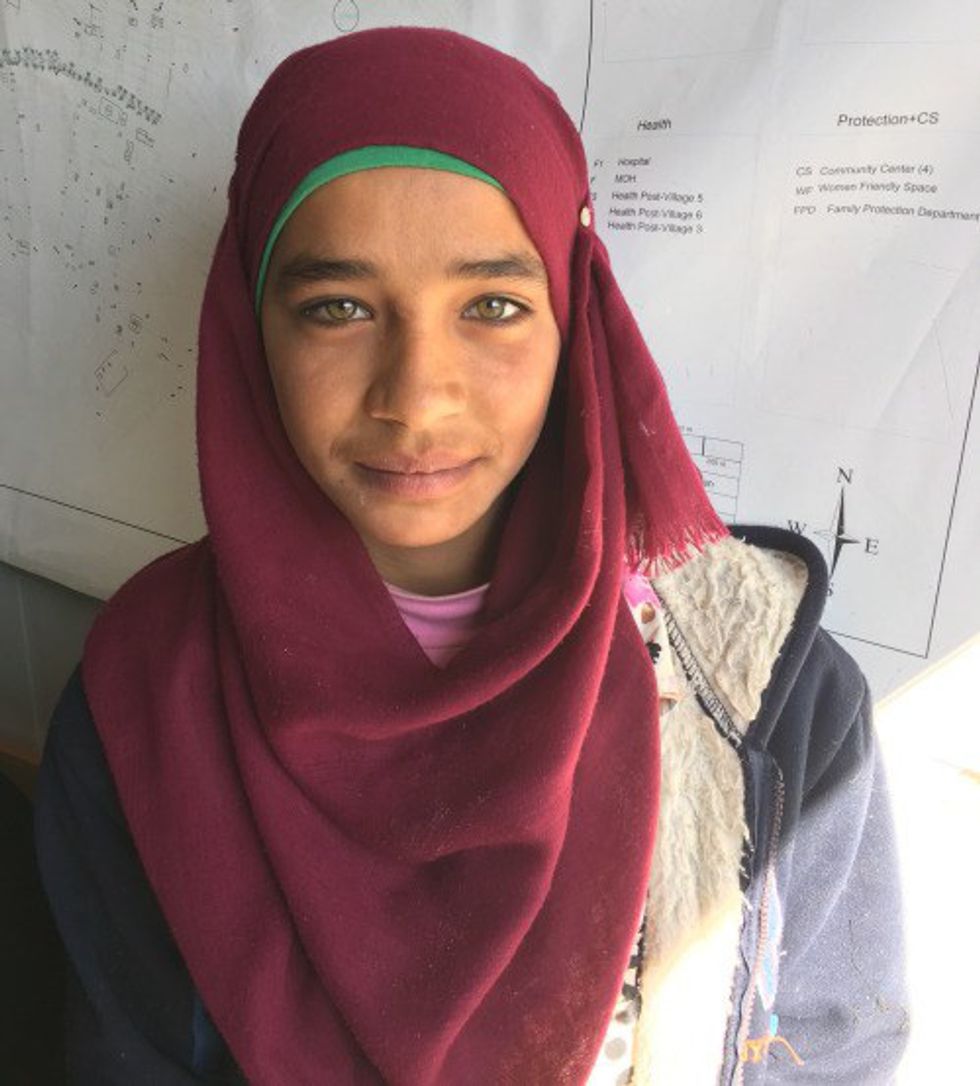
"This is Aida, a 10-year-old Syrian refugee. Rosianna and I met her at the Azraq camp in northern Jordan, where she and her family had just arrived after more than four months at the Syrian border. . .
So is John succeeding? He's definitely doing his best, as he has released a comprehensive video on the refugee crisis on his YouTube channel, but I would argue that his message is being muted. As much as he would disagree, John Green is a celebrity. What he does should be news by the same logic that Taylor Swift's new haircut is news, but there have been less than a handful of articles written about his experience, most of which came directly from the United Nations, the organization that asked him to visit refugees.
It's time to change the way we talk about the Syrian refugee crisis. It cannot be a question of us vs. them, and it can't be an argument of necessity as if their plight were that of the Girl Scout troop looking to fund their next campout. This issue is of crucial importance. Indifference quickly becomes complicity in the fate of many Syrians who are underfed and stranded due to unfounded prejudice and fear mongering from countries like the U.S. and Austria.
Get informed. Make your voice heard. Do better.