

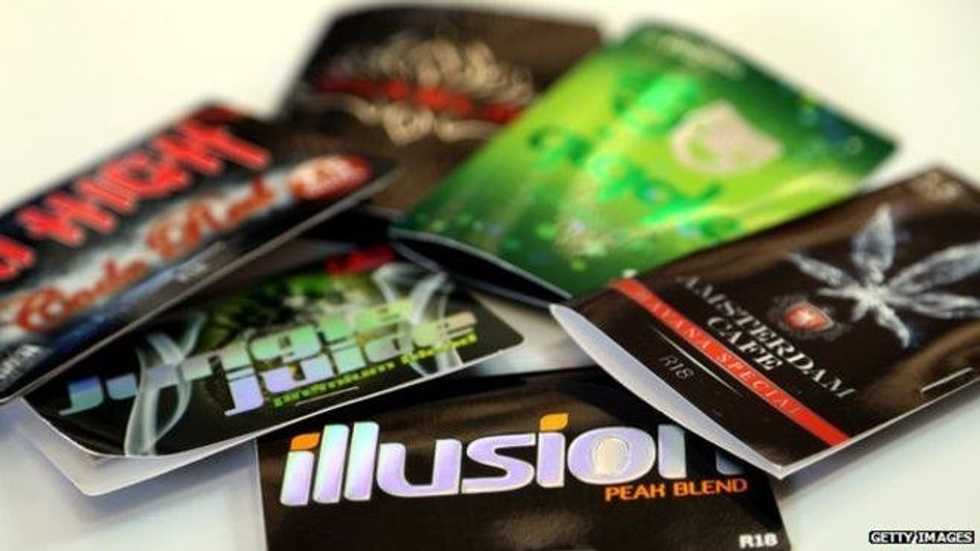
Spice, K2, Bath Salts, synthetic marijuana: these are just a few of the names on the street. To the government they are known as synthetic cannabinoids. Synthetic cannabinoids are man-made chemicals that often mimic the effects of ecstasy, cocaine, and marijuana. These chemicals are produced to bind to the natural cannabinoid receptors in our brains. However, synthetic cannabinoids have the potential to be deadly. Synthetic cannabinoids continue to be widely labeled as a legal substance, and therefore sold as a “legal high.” This is not because the government has not been worried about combating these drugs, but the synthetic nature of the chemical allows chemists to modify the molecule a tiny bit in order for it to be classified as completely new cannabinoid. Consequentially, as laws are passed banning one variation of cannabinoids, producers have already created another new and legal molecule. Many times, you can find these synthetic drugs online or in smaller tobacco shop. In order for it to be sold, packages must clearly label it is not for human consumption. Producers and vendors alike are reaping the benefits of selling a cheap and legal high, but at what cost?
Synthetic cannabinoids are the seconds most used illicit substance in high school students behind natural marijuana. The death toll from these substances have increased this year compared to last year. No one truly knows what they are getting when they choose to take these drugs. Those that produce and sell these dangerous substances do not worry about quality. At the end of the day, you're nothing more than another dollar.
Synthetic cannabinoid use is a serious problem that is affecting more and more of young adults, more than likely, young males. Between January 2015 and April 2015, the Center for Disease Control (CDC) noted a 330 percent increase in use. Unlike natural marijuana, which many people use to alleviate pain and gain a sense of euphoria, those who inhale spice will start to feel uneasy and agitated. During this study noted earlier, the CDC also cited 3,572 calls to poison control centers with cases of synthetic cannabinoid use. Many people, 80 percent being young males like myself, reported feelings of agitation, drowsiness, increasedheart rate, and vomiting.
We must become aware of the substances that we put into our bodies. Millennials are becoming obsessed with altering perception, so obsessed we often do not care to think twice about that plant you're smoking or pill you're popping. We blindly accept these substances thinking there is nothing bad that could possibly happen yourself... until it's too late. Ignorance may be bliss, but not when you choose a legal high over your life.