

Super Tuesday is a day in the primary presidential election when the most states collectively send their constituents to the polls to choose their party’s nomination. This year, Alabama, Alaska, Arkansas, Colorado, Georgia, Massachusetts, Minnesota, Oklahoma, Tennessee, Texas, Vermont, and Virginia took to the polls representing ⅕ of the democratic delegates and ¼ of the republican delegates. Here’s what you need to know.
For the Republicans:
Trump won Alabama, Arkansas, Georgia, Massachusetts, Tennessee, Vermont, and Virginia.
Cruz won Alaska, Oklahoma, and Texas.
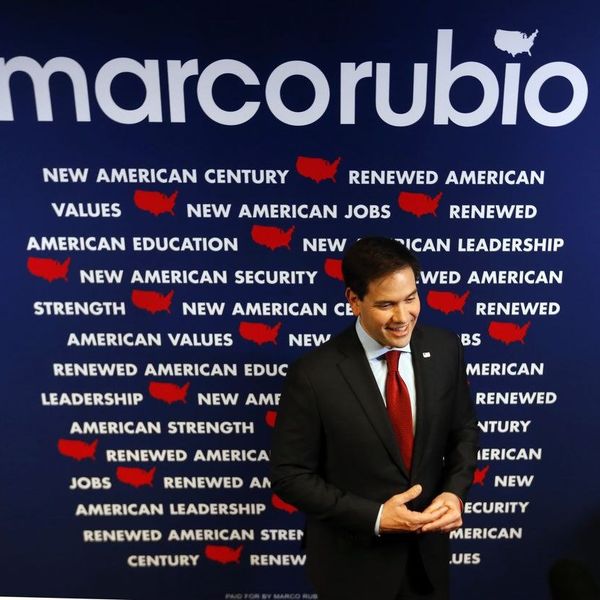
Rubio won Minnesota.
For the Democrats:
Clinton won Alabama, Arkansas, Georgia, Massachusetts, Tennessee, Texas and Virginia.
Sanders won Colorado, Minnesota, Oklahoma and Vermont.
Since 1988, any candidate that won the most states on Super Tuesday won their party’s nomination. If this stat holds true you can expect a face-off between Republican candidate Donald Trump and Democratic Candidate Hillary Clinton in the 2016 Presidential election.
How elections work:
In order to determine who will represent each party during the general elections, states hold primaries or caucuses. A caucus is a meeting of a political party where they talk, debate, and eventually, vote on which delegate should be chosen. Caucuses used to be the most popular way to select a candidate until primaries came along in the early 1900s. The primary was designed with the idea of designating more power to the people. There are two types of primary votes, open and closed. In an open primary, any registered voter from either political party can participate. In closed primaries, polls are party specific so voters must be registered to the party holding the election.
To become “The Candidate”, primary candidates must win the most delegates. Delegates can be awarded either wholly, in a winner takes all system, or partially, in a proportional system. A proportional system awards delegates based on the percentage of votes won by the candidate. The Democratic party always uses a proportional system while the Republican party allows the state to decide which system to use.
From the primary election, we move on to the general election in which the two major party candidates will go head to head to collect votes from the electoral college. On November 6th, all fifty states will open their polls. The candidates will need 270 of 538 electoral votes which are awarded by each state. The number of electoral votes a state has is based proportionally by population size so the candidates will have to try to win over the “swing states” (states that are neither majority republican or democrat) to win the presidency.
Your vote matters!
It’s important now more than ever that you educate yourself and vote. As a younger generation we tend to believe that our votes don’t count; however, the winner of the Iowa Caucus came down to every last vote with Hillary pulling ahead by .3% of votes. That is one example of why every vote matters. We have the ability to help shape politics if we let our voices be heard! So don’t forget to vote this election season!