
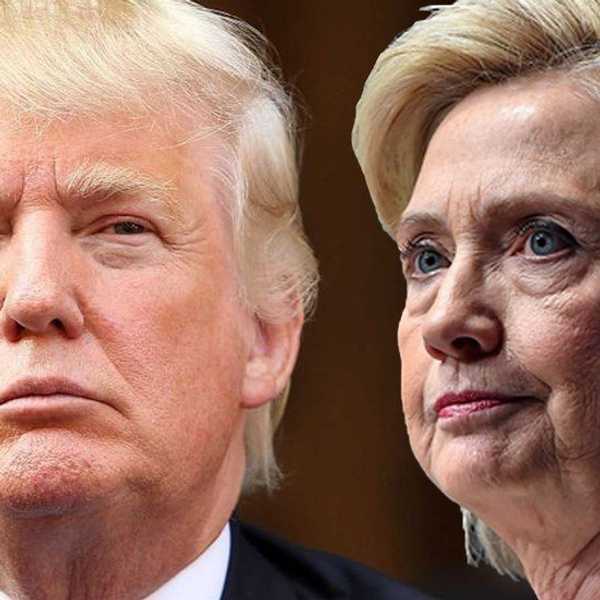

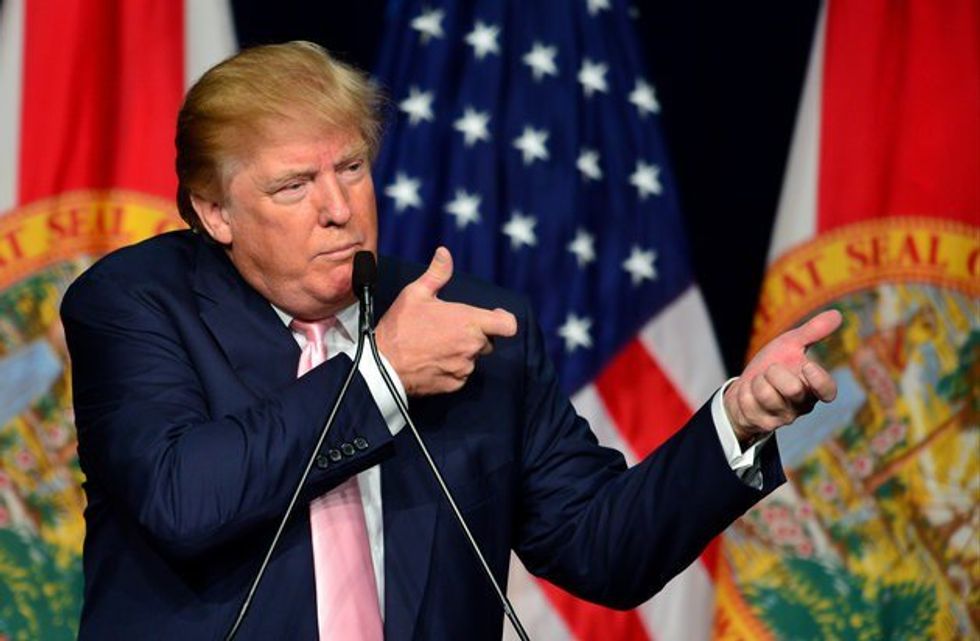
The political season is in full swing. Last week was Super Tuesday, an event where 11 states voted to closer determine the republican and democratic nominees for president. This year the number of votes cast for the democrats, 880, equaled a third of the votes they needed to get the nomination, while the republicans could win about half of the delegates needed to win their nomination.
Donald Trump and Hillary Clinton both won 7 of the 11 states, and were declared the winners of Super Tuesday. Upon looking at the results Hillary Clinton holds the lead for the Democratic Party at 1,066 votes. Alarmingly most of her votes come from Super Delegates. Super Delegates are special delegates of the Democratic Party that are able to support any candidate that they chose. They are considered “unpledged” and they consist of distinguished party leaders, to even former presidents.
Notable member for the 2016 election are current President Barack Obama, former President Bill Clinton, and New York Governor Andrew Cuomo. For the 2016 election there are 717 Super Delegates, who make up about 20 percent of the delegates of the Democratic Party. In the Republican Party, there is a limit of three Super Delegates to each state, so it holds little to no difference in picking a nominee.
The problem that arises is that the delegates can decide to vote for a candidate against the votes of the people in state caucuses and primaries. Proof of this are shown in the race between Hilary Clinton and Bernie Sanders. The results from the primaries shows that Clinton has the lead with 1,066 delegates to Sanders 432 delegates. Clinton is receiving 460 of those overall delegates from the Super Delegates, Sanders is only receiving 19 votes and 237 are uncommitted.
Without the Super Delegates the race between Clinton and Sanders would be much closer. The Super Delegate votes aren’t set in stone yet either. They don’t hold much value until the Democratic Nation Convention in July.
Super PACs are defined as independent expenditure-only committees. PAC, standing for Political Action Committee, becomes a Super PAC through a series of simple qualifying tasks. They became popular in politics after the 2010 Supreme Court case: Citizens United v. Federal Election Commission. The decision was that the government cannot put a limit on what companies can spend when supporting a candidate for office. However, the PACs cannot directly support the candidate.
There are loopholes in the Super PAC system. For example, the candidate cannot communicate with the representatives of their PACs, but are allowed to speak to a group of donors at a fund-raising event but then exclude themselves when the planning about fundraising matters occur. This is a sneaky way of going around the rule of being associated with their Super PAC. Stephen Colbert mocked the way in which Super PACs operate by creating his own PAC, Americans for a Better Tomorrow, Tomorrow. The PAC collected over $1 million. Numerous times on the show he coordinated with fellow Comedy Central talk show host Jon Stewart, who was the leader of his PAC due to the fact Colbert couldn’t be directly associated with it. Colbert’s comedic commentary goes far into calling out this system. In the 2012 election Barack Obama raised $632,177,423 from Super PAC money. That is enough to get a man reelected.
It is alarming to find out that the Democratic Party can swing votes in favor of one candidate. That takes power away from the vote of the people. Super PACs have lax enough rules that can be taken advantage of by the candidates. Most of the money is spent on the campaign, but when did elections become a choice between the candidates with the most money? Things like this shouldn’t dictate the person that we put in power in 2016.

















