
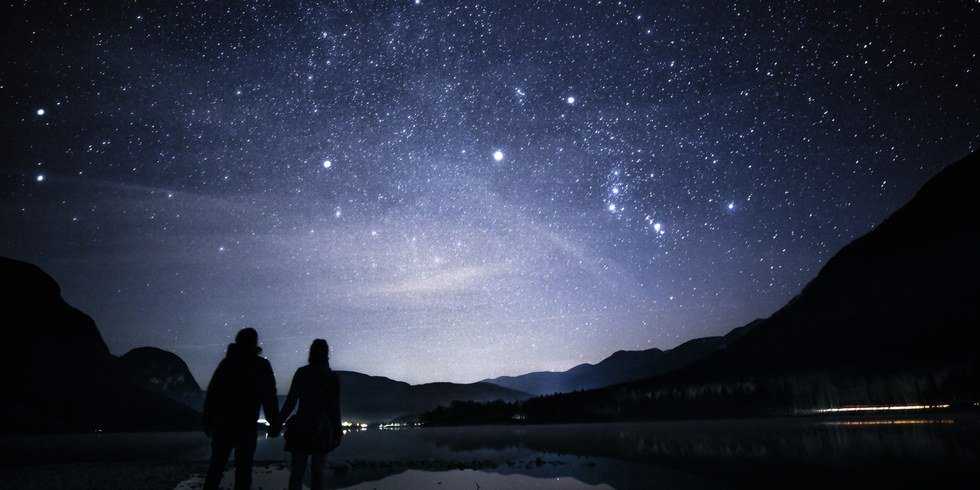
Stargazing is one of the most relaxing and exciting things that you can do, whether with friends, family, or a significant other. However, there is some preparation that needs to be done before you just drive off into the middle of nowhere. So I have made a complete guide on how to have a safe and enjoyable stargazing adventure this summer.
1) Finding the ideal spot
This can be a bit tricky, especially if you live in a big city. The place that I found near OKC to go stargazing was an hour and half outside of the city, so just know that you may have to make a road trip out of it.
It is important to know where you are going. Stargazing can be very dangerous if you do not find a proper place to do it. This means that you should not just plop down in a field in the middle of nowhere. Of course if you live out in the country and have a big backyard, then there is nothing wrong with this.
Research National Parks:
Find a National Park or Recreational Area that is near where you live. This is the perfect place to go stargazing because they are safest and usually have great visibility. Map some of these places around you and then you may want to compare it with a light pollution map.
You might also want to take the time to call the national park and make sure to ask them when the park is open. Most recreational areas will be open 24 hours 7 days a week, but you should always check just to be sure.
You wouldn’t want to get caught trespassing after hours. You should also ask if they recommend any places to go stargazing. They can most likely tell you an area of the park where people like to go stargazing, and give you directions on where to park and how to get there. Here is the link to find a park (U.S. National Park Service): https://www.nps.gov/findapark/index.htm
Light Pollution Maps:
Light pollution maps are great because you can see where the skies are darkest and where star visibility is greatest. Keep in mind that finding a place where the sky is 100% dark is probably going to be near impossible, so just do your best. Once you get out to the blue areas on the map visibility is pretty incredible. Here is a link to a light pollution map: http://darksitefinder.com/maps/world.html
2) Planning the ideal time
Now before you jump up and start planning a stargazing trip tonight, take a minute to figure out what the visibility will look like tonight. Unfortunately, not every day is a great day for stargazing, so there needs to be a certain level of planning in advance. Make sure to plan when you will get there, and when you want to get back. One and a half to two hours is a good amount of time to go stargazing, so make sure you plan accordingly.
Moon Phase:
The moon is a bright light in the night sky at night, and when full can prevent you from seeing the stars. It is important to go stargazing when there is a new moon or when the moon is a waning or waxing crescent. You can look online to find a moon phase calendar for your location: http://www.timeanddate.com/moon/phases/ .
Stargazing Forecast:
Now you can always just check out the weather for your area, but if you go to Accuweather you can actually look at the stargazing forecast for your area. It will tell you the current moon phase, the cloud cover, and the star visibility so that you can plan for the best stargazing night: http://www.accuweather.com/en/browse-locations/nam/us
3) What to bring
Red Flashlights:
This may seem silly, but red flashlights are much better than white because they are less bright, and allow for your eyes to adjust more quickly to the dark night skies. At first it is going to seem extremely dark, but your eyes will slowly begin to adjust. It may take up to an hour of laying in the dark before your eyes become fully adjusted. The more adjusted you become, the more stars you will be able to see.
A Sleeping Bag and Pillow:
You will want something thick to lay on. A sleeping bag is ideal because it can keep you warm if it is cold out, or you can just lay on top of it and it is much comfier than laying directly on the ground. A thick blanket could also serve this same purpose. Don’t forget to bring a small pillow so your neck doesn’t begin to hurt.
Towels or Other Blankets:
It it important to lay some kind of blanket or towel underneath your sleeping bag because the ground can become damp and cold at night.
Mosquito Repellent/Bug Spray:
This speaks for itself, especially if you are going stargazing in the summer. Stargazing is no fun if you are getting eaten alive by bugs and mosquitoes.
Optional Star Charts:
Star charts can be printed off of the internet or downloaded from the app store on your phone. If you are interested in knowing exactly what you are looking at, then this can come in handy. However, if you are like me and don’t really care, then don’t worry about it.
Optional Telescope/Binoculars:
If you feel so inclined to buy some high power binoculars or a telescope, then go for it. Keep in mind, however, that these things can get expensive. Make sure to do your research first to figure out what is recommended for stargazing.
Stargazing can be beautiful and relaxing if planned for accordingly, but all of these tips are only suggestions. Stargazing is about being spontaneous and just having fun with it. Don’t take it too seriously, or you might just miss out.