


1. Donald Trump and a Brokered Convention
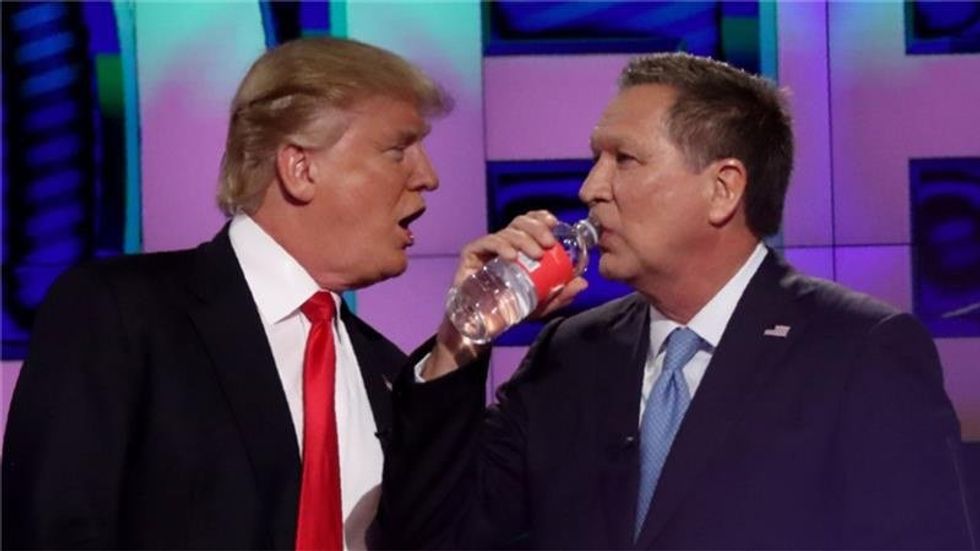
Before I get into what a brokered convention actually is, let's very briefly talk about the process of the Republican Primary process. During the primaries, Republican voters vote on which candidate they would like to win the nomination. Those votes are then translated into delegates which are told to vote for a particular candidate. In order to win the nomination, a candidate must receive a majority of the delegates, which is 1,237.
Whether or not you agree with Donald Trump's message, the fact of the matter is that he is leading the Republican Primary race by 263 delegates, with 673 to Ted Cruz's 410; which is not an insurmountable lead, but it is certainly convincing. However, there are many in the Republican leadership who believe that Trump cannot be allowed to be the Republican Party's nominee for President; like former Republican Presidential nominee Mitt Romney, who has come out criticizing Donald Trump harshly in recent weeks. Even going so far as to support a candidate because they have the best chance for an "open convention."

Normally, this discrepancy would not be a big deal, but because of the recent violence and hate speech associated with Donald Trump's rallies, as well as Republican establishment opposition to Trump, the Republicans could use his lack of a majority to cause a brokered convention, sometimes called an open or contested convention. In a normal convention, delegates vote in ballots. They receive a ballot at the national convention and vote, based on which candidate they were assigned to. Because Donald Trump may not have a majority of the delegates, no winner will be decided on the first ballot. This means that the vote will go to a second or third ballot, and the rules become much murkier from there. Party officials can make rule changes days before the Republican Convention begins; meaning that there could be a rule change where the delegates could vote for whomever they would like to on the second or third ballot, and potentially that could steal the nomination win from a front-runner who may have the most delegates, but not a majority of the delegates.
As it stands, Trump's path to the nomination looks good, as long as he maintains his current levels of support and wins key states like New York, Arizona and California then he will win the delegate majority easily. However, if Ted Cruz can win Arizona or California then it might keep Trump from winning the majority, which would cause a brokered convention. A brokered convention is extremely rare, the last time it happened was in 1952, and Donald Trump and his supporters have been very clear about what they think might happen, saying on CNN, "I think you'd have riots... I am representing a tremendous many, many millions of people." I don't know if the GOP will be willing to take that chance, but if they are it could cause a once-in-a-lifetime political event.
2. Hillary Clinton and Superdelegates
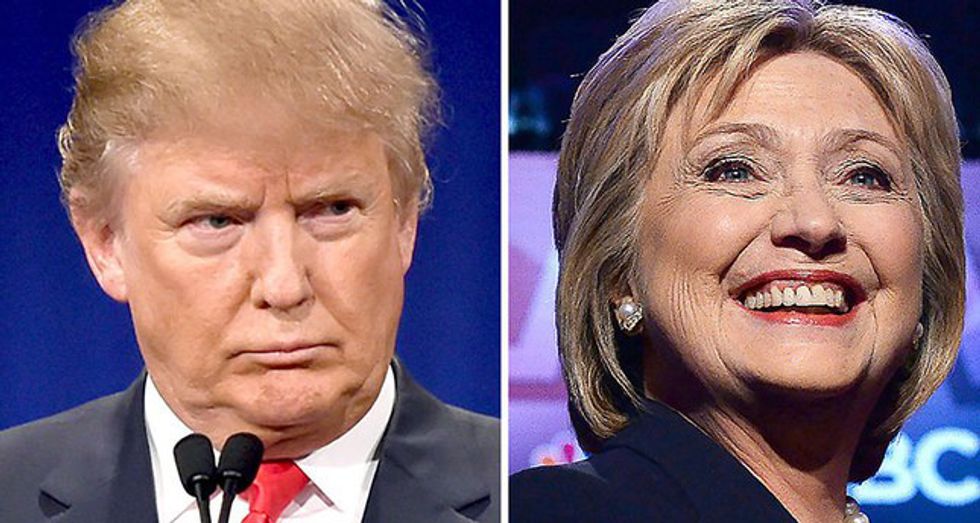
Similarly with the Republican system, in the Democratic Primaries, Democratic voters choose a candidate and those candidates get delegates based on the percentage of people who voted for them. But unlike in the Republican system, the Democratic party has delegates known as "super-delegates." These super-delegates were established in 1984 and are party leaders and other elected Democratic politicians who would go to the Democratic Convention uncommitted to any particular candidate. Super-delegates make up 1/5th of all the delegates at the Convention, which means that they have a lot of influence on who the Democratic nominee is. According to CNN's AllPolitics, "This was a continuation of the effort to bring the experienced, more moderate members of the party to the convention to act as a (roadblock) against the passions of other delegates."

Hillary Clinton, as the establishment candidate, has a great majority of the superdelegates. However, she also had a majority of the super-delegates when she lost in 2008 to President Obama. What happened in 2008, was that Hillary Clinton convinced many superdelegates to come out and publicly support her, but when the democratic voters greatly favored Barack Obama over Hillary Clinton leading up to the Convention, a majority of the superdelegates switched their vote from Hillary to Obama because their support of Hillary Clinton was just that, public support and not a literal vote for her. This is the problem with superdelegates; at best they are irrelevant, because they merely support popular opinion, and at worst they are an undemocratic, elitist-favored system which chooses which candidate the establishment thinks is the best for the country. They are meant to be used as a tool during the primary season to put pressure on the more liberal candidate to drop out of the race, as they are being used now against Sanders.
Hillary Clinton is leading Bernie Sanders in delegate count, but she would have you believe that she is beating him by nearly double, when that is not the case. In pledged delegates Hillary Clinton leads Bernie Sanders 1,139 to 825. Her lead is substantial, but not unbeatable by any stretch of the imagination. It is better for appearances for her to say that she is beating him by double so that it pressures other Democratic voters to support her because Sanders seems like the losing side, but only when you add in super-delegates; which are designed to stop more liberal candidates. The truth is this: Bernie Sanders could easily win the nomination if he starts winning the upcoming states by larger margins. The southern states, which heavily favor Hillary Clinton are done with and all that is left are larger, more liberal states which favor Bernie Sanders. According to an interactive graph via the New York Times, if Bernie Sanders wins each upcoming state by at least 20 points he will likely overtake her in delegates by the time the Democratic Convention comes in July.

















