It's no secret that our popular culture is obsessed with body image. However, it wasn't until I was shown this documentary last week in my psychology class that I really thought about the impact a few T.V. advertisements can have on our society as a whole.
Women, especially, are constantly in competition with one another for the perfect body. From Zumba classes, to cardio workouts, to forced hours at the gym; we all ultimately want the same thing. Personally, I would hope that that 'thing' is just a body we feel comfortable in, but that's not always the case for some. As stated in the video, "our popular culture seems to have the ability to make women anywhere and everywhere feel absolutely terrible." But my question is, why do we allow ourselves to feed into this? After I walked out of class the day this documentary was shown, I thought about how it applied to me on a personal level. I thought about how many people I could list off the top of my head that feel guilty after eating a 'bad' meal or after skipping one day at the gym; my own name included on that mental list.
I'm obviously not suggesting that we should eat whatever we want and forget about living a healthy lifestyle. Trust me, I'm just as obsessed as most (even if you can't tell). I'm a college student, surrounded, like many, by these ideals every day. For example, we all know the freshman 15 is much more real than we'd like it to be, so we all try to do everything in our power to stop it. This is not a bad thing, and eating healthy is certainly not a bad thing. But what I am suggesting might be bad is the way we, as a society, define a "healthy lifestyle." Is it really healthy to punish yourself after giving in to a bowl of ice cream? Is it healthy to work out extra on a day when you know you might snack extra? Is it healthy to live your life constantly worrying about every little thing you put into your mouth? Or judge your happiness by the amount of calories you burn on the treadmill? Probably not.
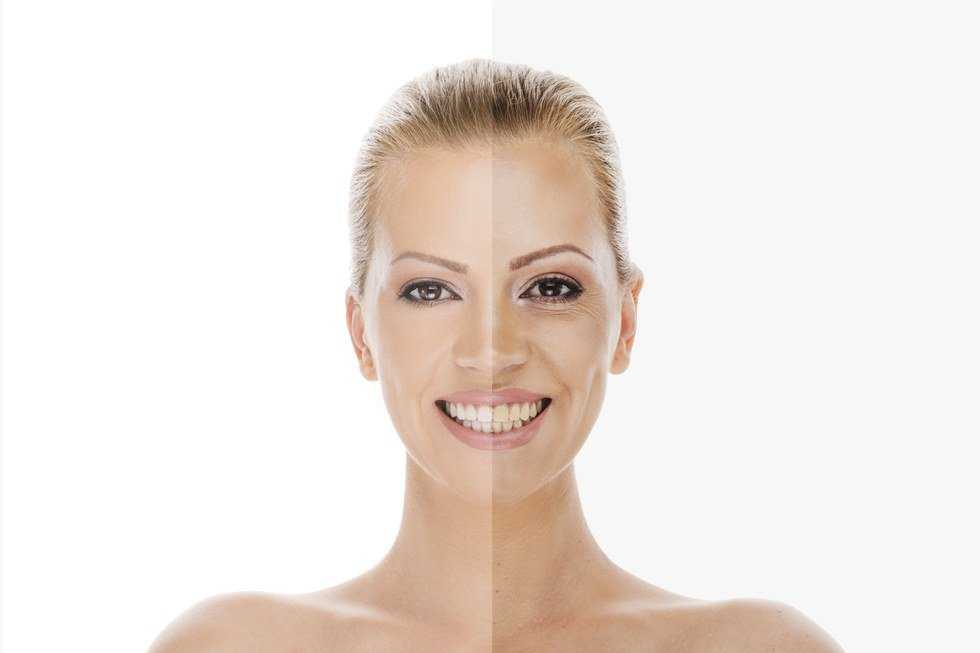
Adding to the idea of dieting, this documentary changed my perception of models and advertising as well. Although it gets into deeper issues, my focus while watching was on the fact that it recognizes that a large degree of model "flawlessness" simply cannot be achieved. Photoshop can work wonders, not only on the bodies of the models, but also on our minds. The documentary talks about girls wearing size 00. For some girls, depending on their genetic makeup, this is simply unrealistic. So, if advertising tells us that we should feel "ashamed and guilty" when we fail to achieve this look, what our society is really suggesting is that some girls are automatically set up for this "failure." According to the documentary, when we see models in a commercial or magazine, the reality is that "no one looks like this, not even her." So why is it that we let these standards set by the media effect our own view of ourselves and others?
The full documentary can be found here. In watching the entire film, you'll also see that it was first released in 1979, with several revisions over the years. Revisions may have been made to the documentary itself, but certainly have not been made when it pertains to the media's definition of women's beauty. While I definitely cannot deny the fact that our society has progressed on so many levels since 1979, I would stand to argue that we have a long way to go as far as this topic. We continue to put the size 00 on a pedestal for all girls even after understanding that this size is virtually unattainable for the average girl. The progress being made in magazine ads to include women of all shapes and sizes is just a tiny step in the right direction, but it's important to be aware that this issue will not just go away over night. Our society is surrounded by these ideals of unattainable beauty each and every day. What we need to start doing is opening our eyes to it, but more importantly, not letting it determine our happiness with ourselves.