
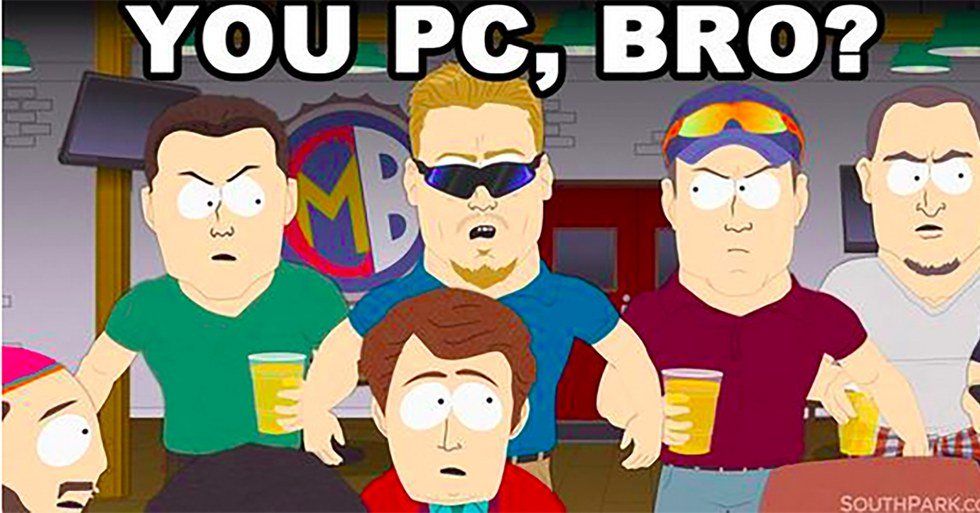
Let’s go back, say, 30 years for a moment. The year is 1986… Roughly the year most millennials' parents were in college or high school. Cell phones and the internet were in their most primal stages, “hashtags” were known as “pound signs," and slang like “YOLO” and “molly” were not in the English-speaking vernacular. As time has progressed, so has technology and language; every year brings new social issues, hashtags, and words. In more recent years, these hashtags have been new forms of social justice, and the new words have actually been words that have existed for a long time in certain cultures and have recently been integrated to mainstream society… A term known today as “cultural appropriation." Thirty years ago, there was no #BlackLivesMatter movement, most people didn’t think to mention their preferred pronouns in conversation, and there wasn’t even a word for the concept of cultural appropriation yet. The progression of technology and language works to the benefit of social change, it brings issues to the surface of society that have been ignored for years… It also brings about the “Politically Correct Police."
As society gets more progressive, many individuals have been faced with privileges they benefit from every day that they didn’t know they had. These privileges, on top of culturally appropriated trends we follow, and learning phrases we say every day are actually microaggressions can make a person highly aware of their actions, as they are very afraid of offending people. It is within the intricacies of microaggression and the finite details of various types of privilege where things can become confusing and contradictory. For example, I go to a school with a 79 percent white population.
anytime we were covering a specific topic that could be seen differently through eyes of another race, the professor would always ask one of the few black students in the class: “How do you, as a black student, experience this?” or “What do you think about this, being a black person?” I’ve been in many classes, middle, and high school included, where there were fewer black people and they would volunteer their perspectives because they thought it was important that their voice is heard as the minority. However, Buzzfeed published an article titled “21 Racial Microaggressions You Hear On A Daily Basis," and #13 was a black man holding a sign that said, “The limited representation of my race in your classroom does not make me the voice of all Black people." In this example, some people find speaking out in the classroom for the particular experience of a certain race to be a microaggression, and some do not. It varies.
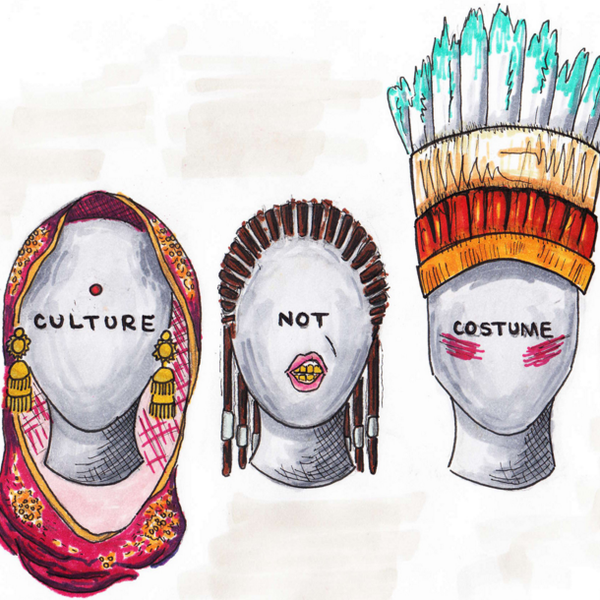
It is within these contradictions that I pose the question: Whatever happened to intent? The old saying “the road to hell is paved with good intentions” is very relevant these days, as the effect of an action now holds more weight than the intent. In a society full of cultural appropriation, this happens a lot. Millions of white teenagers across the country use slang like “ratchet” and “throwing shade” every day without the intent of hurting people from other cultures. In fact, in most cases, teenagers say this slang with their friends who represent these cultures, and even learn the slang from them. The holistic concept of cultural appropriation makes sense: a certain culture is marginalized in society, yet society takes parts of their culture that they deem to be cool and steal it for their own use… I can understand why that is hurtful and wrong. However, when most people use words or dress a certain way, they don’t even know that they are culturally appropriating anything… They think they are expressing themselves.
Let’s say a white person says the word “ratchet," a word that originates from the black community. If no black person ever calls the white person out on using the word, but another white person tells that white person that it is cultural appropriation, then is it wrong for them to use the word? Cultural appropriation is absolutely a relevant concept, but it should be discouraged from the people who are being marginalized, not allies of those being marginalized because not all of the marginalized people care. If someone expresses themselves a certain way that is deemed to be culturally appropriated, they do not intend to hurt anyone, and they never personally hurt anybody, then why is it wrong? Again, this is something that varies from community to community.
As a society, we simply need to remember to respect each other. We need to respect people’s wishes and who they are in the world and do our best to honor that. Respect is a give-and-take, that sometimes involves supporting, resolving, or minding your own business. If someone has a preferred set of pronouns then the ones you would have assumed, respect who they are as a person and use their preferred pronouns. If someone expresses themselves in a certain way and it offends you because it’s cultural appropriation taken from your culture, talk to them about why it’s wrong, so they can respect you as a person. If you see someone who expresses themselves a certain way and you think it might offend someone who isn’t you, respect who that person is and how they choose to express themselves, because it isn’t affecting you. If we just bear in mind to respect each other, then we don’t need the “PC police," because we are all doing the best we can to become an equal society by accepting each other for who we are: a respectful society who just makes mistakes sometimes.