
This past July, I turned 18 and was very eager to vote in this election. I registered at the beginning of the year in order to vote in the primaries, watched the national conventions, the debates, followed the news on the political timelines, and, when the day came, voted for Hillary Clinton to become the president. Though she wasn’t my first choice to be the Democratic nominee, when she won the nomination, I was with her until the end.
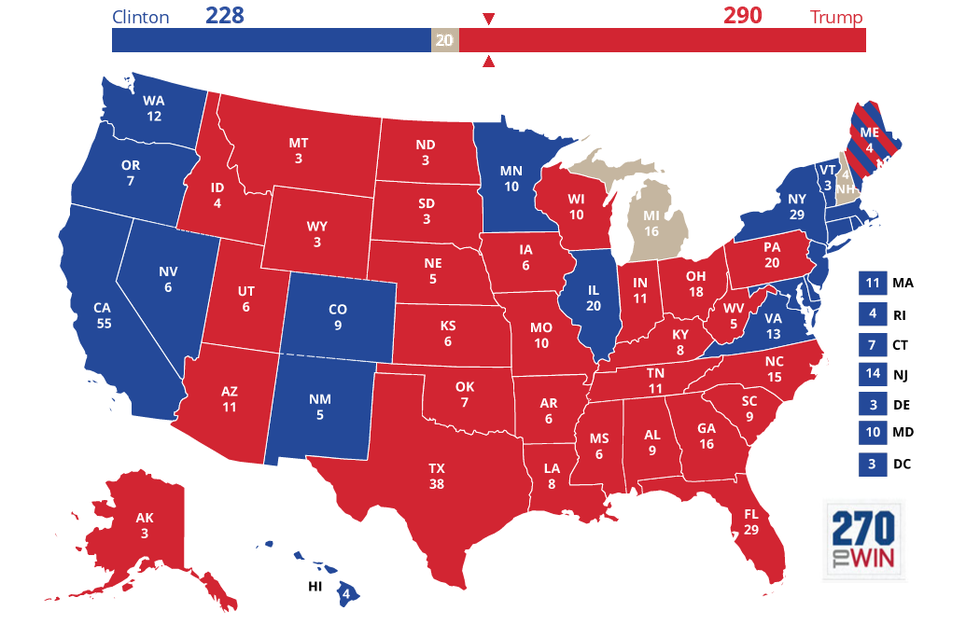
That Tuesday evening, I sat in front of my laptop watching the electoral votes pour in for states as their polls closed, noticing more and more come in as red, and the New York Times’s presidential prediction meter shift slowly from 78 percent Hillary Clinton to 95 percent Donald Trump. As the last few states counted their votes, I already knew the outcome. Trump had done the unthinkable--what many thought would never happen. He had won. 18 long months of this election and he pulled through to become President-elect.
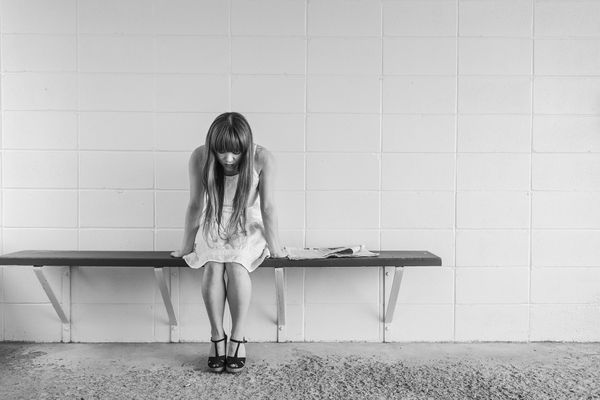
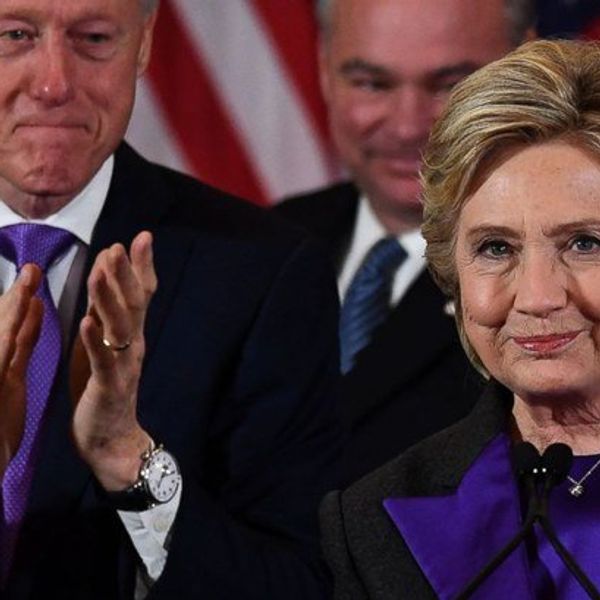
When it was clear that Trump had won, I saw my social media flood with fearful tweets, posts, and captions from people of all backgrounds. I got texts from my friends who were shocked that this had happened and were scared to see what tomorrow would bring. I felt numb, like many, and it didn’t hit me that this was real life until the next day when Clinton had officially conceded and spoke publically about her loss. Protests were already happening in big cities and on college campuses. There were already incidents of discrimination against minorities from across the country. The nightmare was real, and was even more established by how dead my own college campus, in the blue state of Virginia, right outside of Washington, D.C., felt when walking to class that rainy morning. I could sense the despair just by walking outside and by a quick glance at any social media platform.
Less than 24 hours since Trump’s official win, there were already people, mainly his supporters, telling those who were upset to “get over it,” citing the outrage and protests as the outcome of a generation who “is used to being awarded just for participating.” Less than 24 later, those mourning were expected to move on and accept what the country decided, despite Clinton winning the popular vote by over 500,000 votes nationwide. The feelings of those who felt scared were invalidated by those who thought they couldn’t celebrate their candidate’s win because of the “whining,” even though Trump represents the ugly side of America that we’ve convinced ourselves we've moved on from. And it’s very obvious that we are not.
A vote for Trump wasn’t just for the jobs he could potentially bring back to the country or for a surge in the economy. I've personally heard the main reasons people had for voting for him. It was a validation that the cruel things he said about women, immigrants, people of color, those with disabilities, and the LGBT+ community were okay. It was validation that the lives and feelings of those whom he criticized were expendable enough to look past and still vote for him. All Trump supporters may not have been voting with discriminatory intentions in mind, but casting a ballot in his favor was a way of supporting those notions. Some people didn’t want to vote for Clinton because they saw her as a liar, but those same people were able to push Trump’s mannerisms aside to vote for him.
Clinton is not perfect or innocent, but she had a better plan for the country and its people as a whole, not just the select few who sided with her. Trump’s win exposed the hidden fears and thoughts of his supporters, whether intended or not. People who fear for their livelihood have a right to be scared, because America, the President-elect, and the Vice President-elect have given them very clear reasons to. This election has drawn an obvious divide in the country, whether we like it or not, and telling people to hide their emotions isn’t going to help. This is a time to listen to those who are in protest with good reason. Stop trying to silence the voices of those who are hurt, and start listening to why we feel the way we do. We have a right to be upset, scared, angry, and disappointed in a country that constantly disrespects our lives, and elected a man who isn’t afraid to do the same.