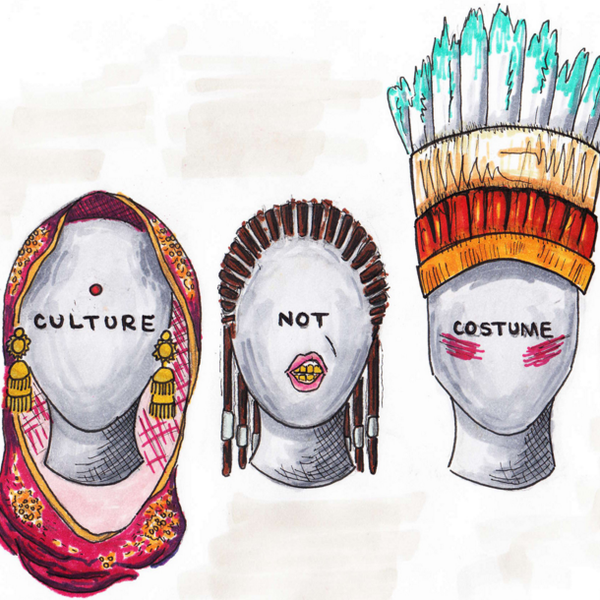


Cultural appropriation is a hot topic right now, and for good reason. After years of insensitive Halloween costumes, racist frat parties and willfully ignorant hipsters at music festivals, we’re finally opening lines of communication across races and cultures.
However, I’m not here to advocate against appropriation; there’s plenty of articles on this exact website on why it’s disrespectful and just plain wrong, and I encourage you to read them. What I want to do is discuss the difference between appropriation and appreciation. Because, despite what you might think, it is possible to respectfully learn and experience cultures that are not your own.
The key is to not think of it as a matter of rigid exclusivity. In fact, most people with whom I’ve talked about this are open to educating others about their culture or traditions. While history and the actions of people in the past have created great divides between different groups, it’s not impossible to cross them.
It’s just difficult, but that doesn’t mean we shouldn’t try.
Instead of taking someone else’s culture, ask them to share it with you. The world is beautiful, rich and diverse. We are raised in such a small, isolated part of it. In order to connect, we have to really understand each other. And that involves understanding our backgrounds.
The difference between appropriation and appreciation is respect. We need to respect and not assume ownership. It’s like walking into someone else’s house: you don’t just barge in, you wait for an invitation or you request one. And I encourage everyone to do so. Ask if you don’t know. Preface your questions with an apology if it offends them and explain that your words may not come out correctly. Don’t assume someone’s culture based on appearance (coming from a white girl with Native, Irish, and Sicilian blood), and if someone tells you that what you said is offensive to them, don’t argue. They know better than you, trust me. Ask how to make your statement better.
To those being asked, I encourage you to be open to answering. I know it can be difficult, since minority cultures are often the subject of mocking and ridicule. But we all have to work together if we want to make the shift from a society which appropriates culture to one which appreciates, understands and respects every race, ethnicity, culture, religion and subgroup.
Just ask. If we understand, we can stop making so many insensitive mistakes. We can move forward, we can evolve. So let’s start a conversation and begin an intercultural revolution.