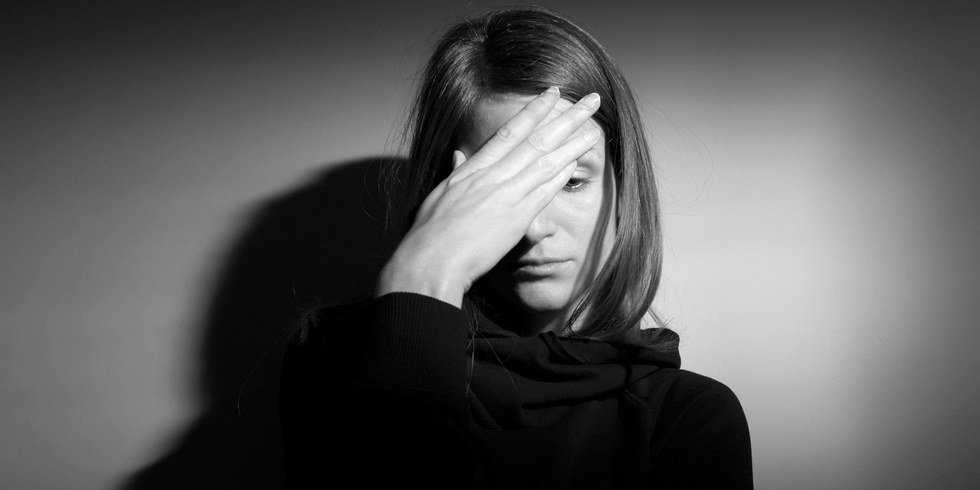
From a young age, I realized I didn't think like most kids did. I would have fun all the same, but I would tend to worry about things that my friends didn't. If I knew I had to be home by 5pm for dinner, I would be back at 4:30. I was always overly conscious of the consequences I would have on my actions and I would go out of my way to try to avoid anything and everything that would be negative. It seems odd that a child would care so much about just being on time, but it wasn't that. I was afraid of disappointing my teachers or that I would let myself down for not respecting what I needed to do. I lived my life in a constant state of fear and worry with not only the struggles of the anxiety, but with the confusion of not knowing what was wrong with me or why I thought about things that no other child I knew would. Many had immediately classified this an OCD issue or me just wanting to be a good child, but it was my beginning stages of battling anxiety.
It was my freshman year of high school when I was diagnosed with generalized anxiety disorder. The difference between this mental illness and just experiencing anxiety can be tricky and extensive, but the best way it can be explained is through representation. Everyone experiences anxiety, that feeling of butterflies in your stomach before a date, the worry before taking a test, or the uncertainty as to whether you will make it to work on time due to the traffic. Having an anxiety related mental illness is incredibly different, instead of worrying about these things just a couple minutes before the situation, you dread it for hours or even days. When having an anxiety attack, that can happen on occasion or even daily for some, it feels like you are standing in a crowd of people screaming but no one is listening. All you want to do is shake the people, your worries, until they help but you are just ignored. You want to kick, scream, cry and run until the feeling of helplessness goes away, but that generally only comes with gradual, agonizing time. Slowly that crowd of people turns into a few stray individuals until you are standing alone in an empty room.
Everyone experiences anxiety, but only those with an anxiety disorder understand what it is like to have that feeling of constant uncertainty control your life choices. You second guess absolutely everything, from school, relationships, work, or just everyday occurrences. If someone looks at you, you begin to think of the million reasons behind their action when in reality, their eyes just may be scanning their scenery and you happen to be standing there. That constant fear of what people think of you is always in the back of your mind; this makes you question going out with friends having this abhorrent fear of how you may be perceived or what may happen.
When people are placed in an uncomfortable situation, they tend to try to think past the issues or fix the problem immediately. Those with anxiety disorders immediately want to run; they are afraid that what they do or say will always be wrong so instead of trying to make the situation better, they want to keep themselves from making it worse. The constant overthinking of every situation is emotionally draining and leaves those ill with a perpetual state of fear and worry. Instead of mentally preparing themselves with possible outcomes, they can only think of the pain that could come.
With that being said, it's time to stop making mental illness mainstream. Nothing about living in fear and worry is cute nor desirable. Those struggling with mental illnesses of any type do not want it and they are not proud of how it affects them. It takes a strong person to accept that they even have a mental disorder and ask for help. It makes people feel even worse when people use illnesses for their personal agenda so they seem weak and in need of help when they do not really need it. Those with the disorders are not weak, they are not time bombs about to explode, and they are not any less of a person. It's time to stand up against the people who misuse the illness and to defend those who struggle with disorders every day of their lives.