

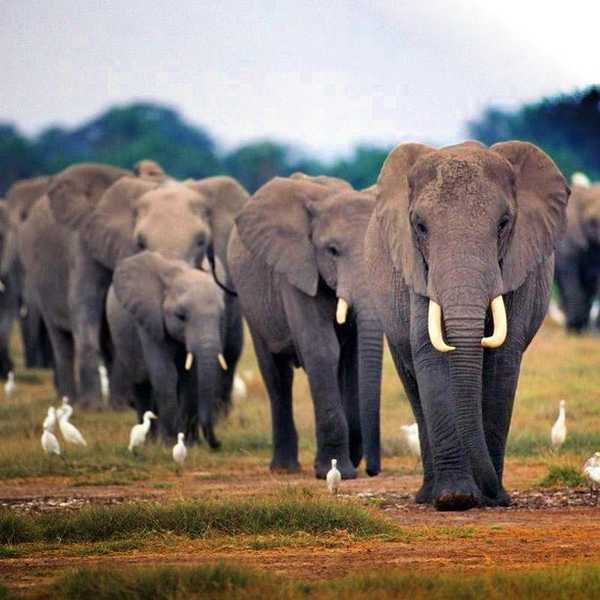
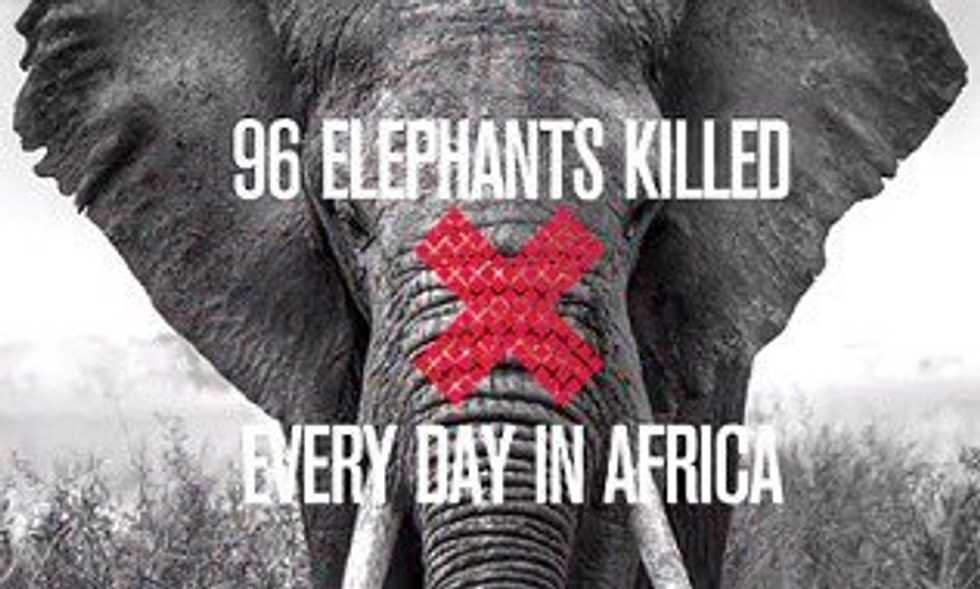
Last year, more than 20,000 elephants were killed for their tusks. More than 60 percent of carcasses found across Africa had died at the hands of poachers looking to sell their ivory tusks.
In August, Bryan Christy, the Chief Correspondent for National Geographic’s new Special Investigations Unit, made a request to George Dante to create an elephant tusk with a GPS tracker. With this, they would be able to figure out where poachers take their illegal trade, what ship it travels on, and where it ends up.
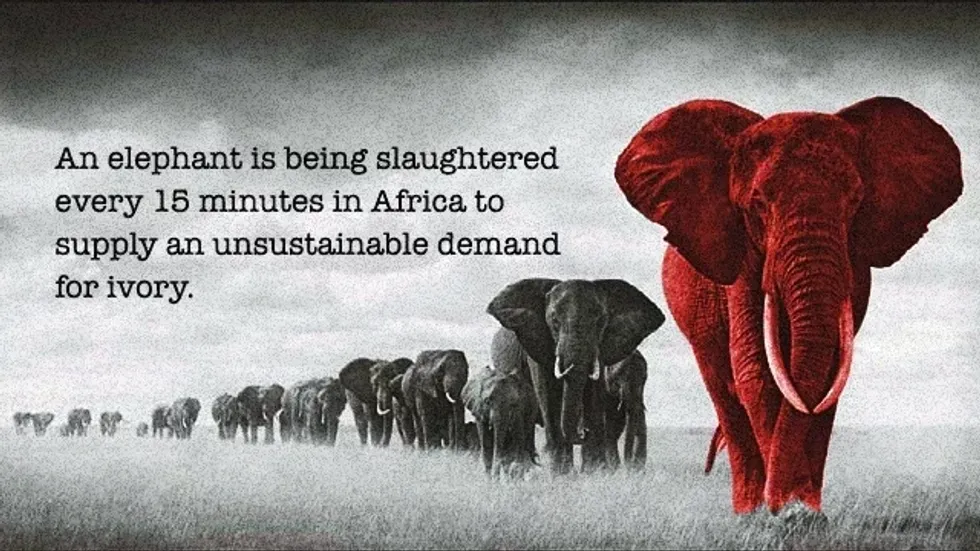
The hunt for the African elephant has not slowed down- if anything, it’s only been speeding up thanks to corrupt law enforcement and more ways than ever to slay elephants. In the last five years, the number of elephants in Tanzania has dramatically dropped from 110,000 to 44,000.
The number of hunted elephants is still unchanged a year after 46 countries signed the London declaration on the illegal wildlife trade, and China, despite slow signs of improvement, is still the biggest consumer of ivory products. The declaration is 13 pages long, and describes the trade as having “significant scale and detrimental economic, social and environmental consequences.”
The countries that were represented at the meetings all agreed on a certain set of actions such as addressing the corruption issue, adopting legislations for tougher punishments for poachers, and recruiting more law enforcement officers.
Another attempt to stop the poaching of elephants is the March for Elephants, which was held on October 24 this year. Hundreds of people congregated at the Lincoln Memorial in order to gain more attention to the poaching tragedy. Washington D.C. was one of 130 cities around the world that hosted a march, and one of 43 cities in the U.S. to participate.
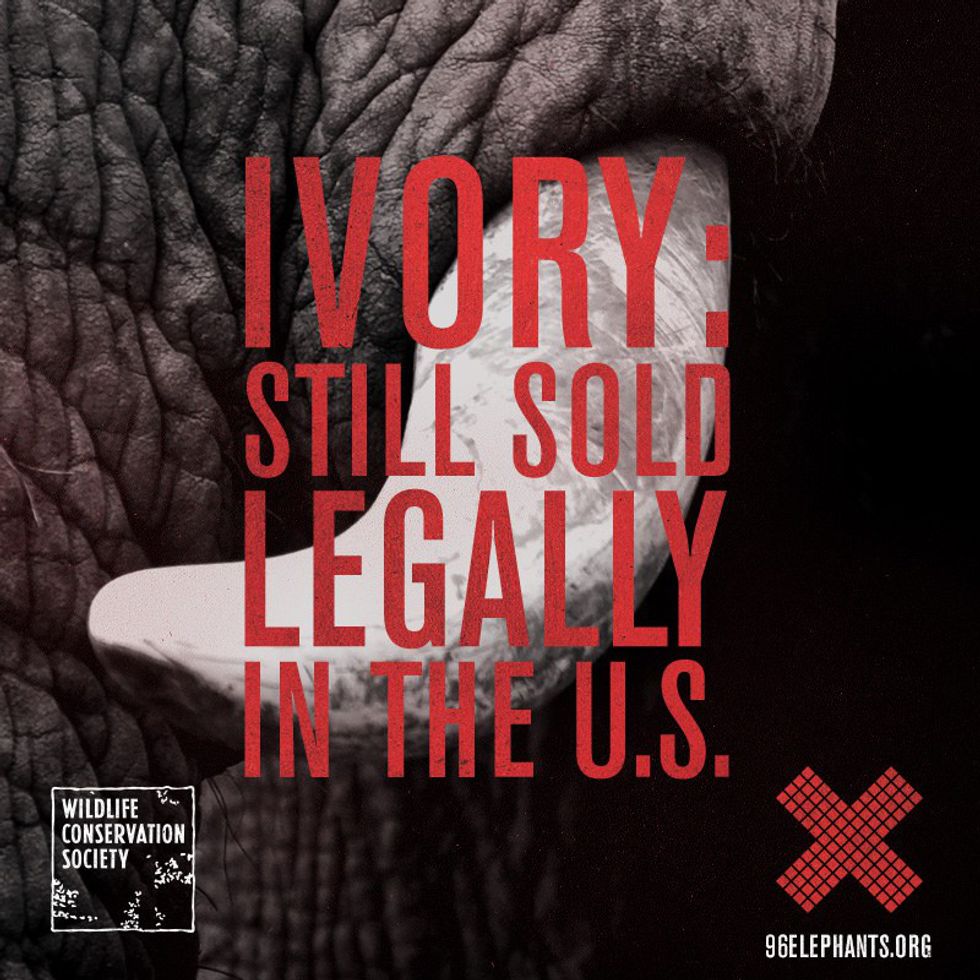
“Worldwide, marches for elephants keep the story of the plight of elephants and those who protect them alive. They are an important part of the global effort to tell this story.” Christy told National Geographic.
Christy, who wrote an extensive piece for National Geographic on how the hunt for elephants impacts more than just the animals (How Killing Elephants Finances Terror in Africa), describes how the illegal ivory trade contributes to terrorism in Africa. He mostly discusses the terrible impact of the Lord’s Resistance Army (LRA). In other words, dead elephants equal more money and power for the LRA.
This fuels Christy’s motivation even more for these fake ivory tusks to work- so far they are working. They’ve travelled hundreds of miles so far, and have been consistent with the route insiders have told Christy about.
Poaching has a horrific effect on both animals and humans, and the more action we take against this crime, the better.

















