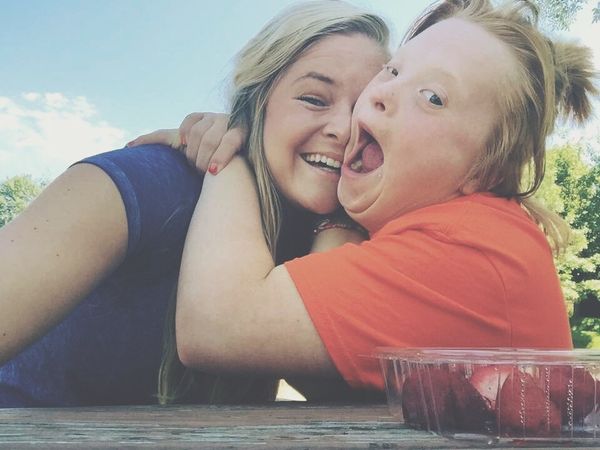
"Awww." "Poor thing." "Bless [their heart]."
A few days ago I sat in a hospital waiting room when two strangers nearby began to strike up a conversation. One of the strangers started talking about her children, and I heard her say that one of them had Cerebral Palsy, Autism, and Epilepsy. Before she could even say anything else, the woman across from her tilted her head and said, "Aww" while giving her a sympathetic look, which I didn't think anything of, but the mother's response completely surprised me. "No, uh-uh. Don't do that. Don't say, 'Aww'. Do not feel sorry for her. That is who she is; that is the life that she knows, and she does just fine." I couldn't believe this woman had been so upfront with a total stranger, but then I began to wonder, why do we do it?
Why do we say these certain words and phrases whenever someone has a unique set of circumstances? Why are these the first thoughts that come to mind whenever we learn that someone has a disability? Why do we automatically assume that it's appropriate to pass along our pity when we should be passing around positivity? Why do we allow ourselves to get wrapped up in the idea that we have some sort of unspoken duty to acknowledge someone's disability rather than showing them the attention we would with anyone else? All I can ask is why.
Our society has become double standard in many areas, and unfortunately, this one is no exception. We tell others to treat everyone the same, yet that "equality for all" mentality seems to go out the window whenever we see someone who carries out their tasks differently. We say others should aim to embrace the differences of those around them, yet we convince ourselves that it's more suitable to show certain individuals our empathy instead. We promote the idea of empowering those with disabilities, but then we exempt them from receiving the treatment we give everyone else. As a society, we've let our sympathy replace our support.
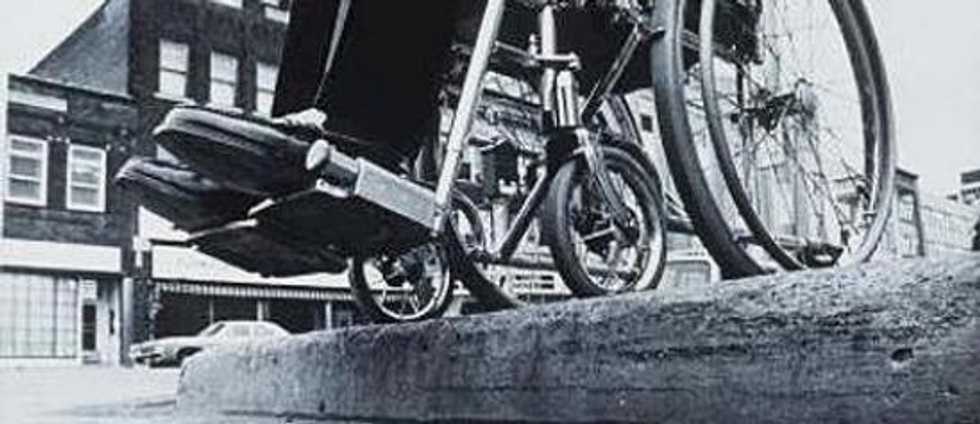
We've allowed ourselves to be under the impression that we're good people simply by encouraging someone who possesses a disability, but failing to see that it's meaningless if we only did so because we thought they were "weak" and "needed" it. We have forgotten that they are fearfully and wonderfully made, just like the rest of us. We have continuously given them the short end of the stick by letting their purpose become shadowed by their appearance. We have created a world with barriers.
Stop. Stop feeling sorry for someone because you think their differences make them fragile or weaker than you. Stop placing limitations on someone because you cannot see their capabilities. Stop having good intentions and replace them with good actions. Stop giving your unwanted pity and condescending sympathy to someone who is much stronger than you realize. But most of all, stop convincing yourself that you don't treat someone differently once you become aware of certain circumstances.
We're all living in the same world, just in different ways. A disability is not a definition.