"Two roads diverged in a wood, and I—
I took the one less traveled by,
And that has made all the difference."
--Robert Frost
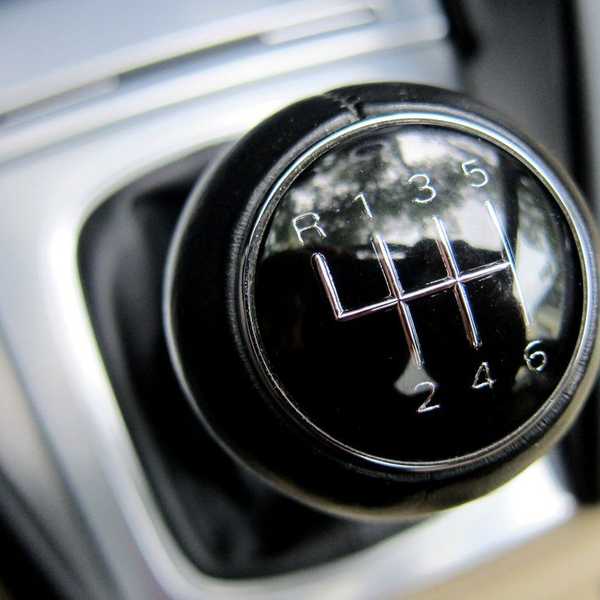
I am a member of a dying breed of drivers. The fall of the manual transmission is difficult to date primarily because it hasn’t actually fallen yet. But the truth remains that the world is constantly moving forward, and cars are no exception. New drivers (among whom I count myself) have had cars placed before us on a silver tray. Nowadays you can get into the car, turn the key, and pretty much just sit there while the car works for you. So, if you are among the greater number of people who drive an automatic, you owe your thanks to General Motors as their divisions of Oldsmobile and Cadillac were the first manufacturers to mass produce what was then called the "Hydramatic" transmission in 1939.
OK, that’s enough history. I am writing this not to convince you that driving a car with a manual transmission is better (because it just is) but because when I was driving to work this past week I remembered that it has been one whole year since I started to drive stick shift. In the past year I have been telling all my friends, “You gotta learn, it’s worth it,” or, “It’s so much fun.” While those two things are true, I don’t think they are the real reason I hold this skill so highly. While most people see driving as a means to an end, I do not. Learning how to drive a standard is something I wanted to learn, but until recently, I never realized how much teaching I got in return about who I was and how I approach life.
I was not one of those 16-year-olds who, as the smoke from the candles was rising off the birthday cake, was asking my parents to fork over the keys to the car. Instead I saw driving as something I would get to eventually. After my junior year of high school, I figured that I couldn’t procrastinate any longer. I went through the courses and got my 40+ hours of driving lessons, all to take a test that amounted to four minutes with an easy pass under my belt. While driving was fun at first, the excitement morphed into sluggish routine. That is, until I decided that I wanted to try something new.
At this time last year, each member of my family was in one of those rough patches that life wonderfully throws our way. We were all divided, each person dealing with his or her own hardship. When I would come home from school, there was nothing but that reality to greet me at the door. Homework became a mechanism for making the time pass. I decided that I needed to learn something, something I could invest my time into. After about thirty seconds the answer came to me as though it had been sitting dormant at the forefront of my brain. I wanted to learn how to drive stick shift.
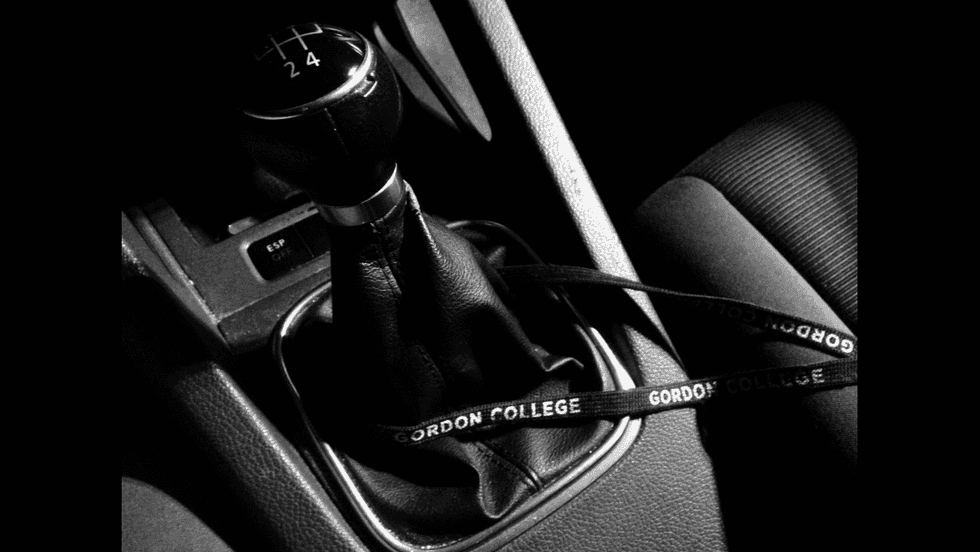
After approaching my parents with this proclamation, the hunt for a car began. I searched long hours into the night for that something I liked, that my parents liked, and that wouldn’t break the bank. In time, I settled on a 2007 Volkswagen Rabbit.
From the start, this path I chose was not easy. I would stall the engine over and over, and get more and more frustrated with myself. But, after a couple of days, I found myself in school wishing that I could go home and get out and practice. It was the first time I had ever felt the desire to become proficient in a skill. I could escape the hectic mess and fallout that my family was dealing with. When I was driving, I was in control. If I wanted to go faster, I could drop into a lower gear and stomp on the gas. In order to successfully make it up a hill, I had to control the throttle, the clutch, and the handbrake. All these things gave me a hold on something when everything else in my life was out of control.
And it’s here that I address those that will point out that driving for me is a form of escapism. Some may say it doesn’t actually help to suspend our reality in search of a distraction. In the past year, however, I have come to a new realization. Driving began as a form of escapism. I saw it as a safe refuge away from the unpleasant reality. But there comes a point where all the worlds that we create, or that we visit for that matter, begin to push us back towards our rightful place. If this isn’t a great place to reference C.S. Lewis, I don’t know where is. But the world that he creates by its very nature only keeps you in for as long as you need it to. It is then time to take what you have learned back into your own world. When I was driving, I was the author of my actions; I had control over something. But, as I learned more and more about what I was doing, it soon dawned on me that from the time I began driving a standard, I was never in control at all.
To drive a standard is to cooperate with the car, not control it. While you as the driver are helping it to move, the car in turn is helping you. Its computers are monitoring your oil, gas, and engine. This was the value that I had to take back into reality. This road I took has made all the difference because it has shown me the old saying, “when life gives you lemons, make lemonade,” from a different perspective, a perspective I can understand. Life is never easy and you or I can never control it. But we can always work with what we have.
There are times when I will stop homework, watching TV, or being with people (thanks introverted self) and go for a drive. It allows me to relax and regroup. Most people would see this as a waste of gas. But for me it is a reminder. A reminder that the only way things get easier is when you stop trying to control, and learn to cooperate.